

London in summer reveals a version of the city that feels open, curious, and proudly accessible. Long evenings, walkable neighbourhoods, and a dense concentration of cultural institutions make it possible to experience world-class art, food, and heritage without exhausting a budget. This guide has been compiled with a practical lens: what is genuinely worth your time, what can be done affordably, and how to approach London as both a cultural capital and a livable city during its best season.
TLDR: This guide highlights London’s best summer experiences across art, culture, food, and low-cost events. It focuses on free museums, outdoor festivals, affordable eats, and walkable neighbourhoods. Expect practical tips, trusted institutions, and realistic budgeting throughout. Ideal for both visitors and residents looking to make the most of summer.
Contents
Art and Museums: Free Access to Global Collections
London remains one of the few major capitals where many of the world’s most important museums are permanently free. Summer offers an added advantage: lighter crowds early in the day and extended opening hours for temporary exhibitions.
The British Museum, National Gallery, Tate Modern, and Victoria and Albert Museum form the backbone of any serious cultural itinerary. Each institution is robustly curated and internationally respected, with free permanent collections and optional paid exhibitions that are often worth the additional cost.

- Tate Modern: Focus on modern and contemporary works, plus an excellent free viewing terrace overlooking the Thames.
- National Gallery: A concise overview of European painting, ideal for structured visits of 90 minutes.
- V&A: Particularly strong in design, fashion, and decorative arts.
Smaller galleries such as the Whitechapel Gallery or Camden Art Centre are also free and provide a more experimental counterbalance to the larger institutions.
Outdoor Culture: Parks, Architecture, and Summer Traditions
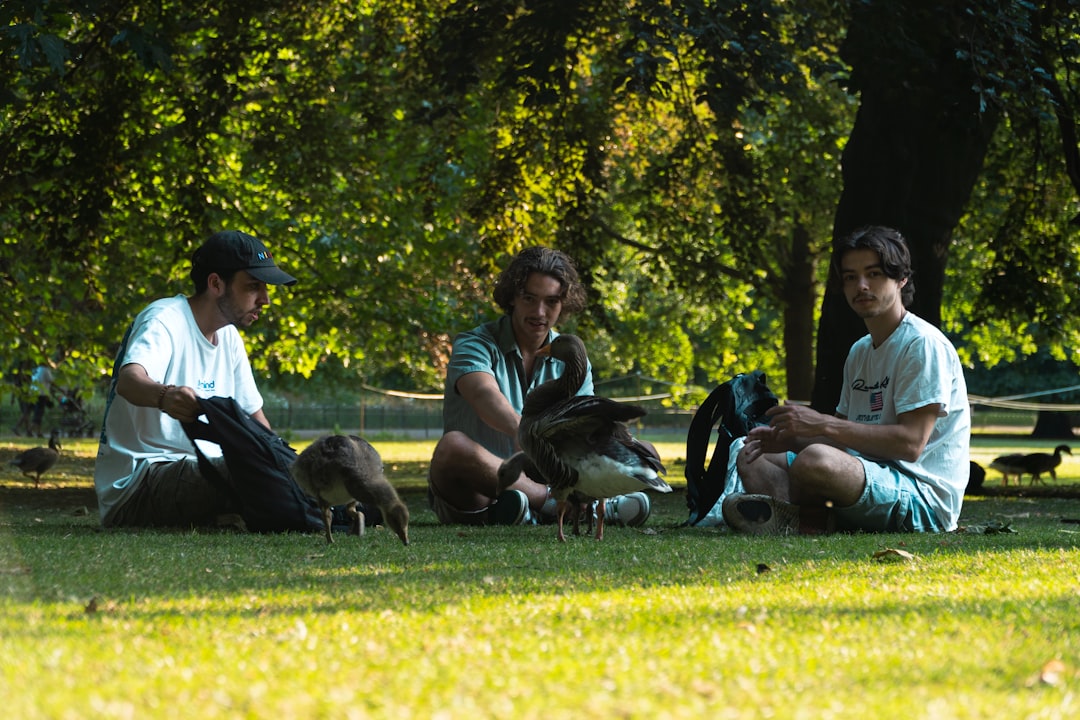
London’s public parks function as open-air cultural spaces during summer. They are meticulously maintained, historically significant, and central to local life.
Hyde Park and Kensington Gardens are ideal for long walks and people-watching, while Regent’s Park offers open-air theatre performances that remain relatively affordable compared to indoor venues.
Architectural exploration is another low-cost activity. Walking routes through Bloomsbury, Greenwich, or South Bank reveal layers of Georgian, Victorian, and modern development. Many borough councils offer free downloadable walking maps that add historical context without the cost of a guided tour.
Food Markets and Affordable Dining
London’s food culture is varied, regulated, and increasingly transparent about pricing. Summer is peak season for markets that prioritise quality while remaining accessible.
- Borough Market: Best visited on weekday mornings for manageable crowds and better vendor interaction.
- Maltby Street Market: Smaller, calmer, and often better value than larger tourist-focused markets.
- Camden Market: Informal and global, with numerous sub-£10 meal options.
For sit-down meals, areas like Soho, Dalston, and Shepherd’s Bush offer reliable mid-range restaurants with lunch menus that are significantly cheaper than dinner service. Pub kitchens should not be overlooked; many now operate at a high culinary standard with transparent pricing.
Festivals, Performances, and Free Events
Summer in London is defined by temporary events that are often under-publicised but professionally organised. Local councils, cultural trusts, and arts organisations regularly programme free festivals.
Notting Hill Carnival remains the largest and most visible, celebrating Caribbean culture through music and food. For smaller-scale experiences, look to:
- Open-air cinema screenings in parks and on rooftops
- Southbank Centre festivals combining literature, music, and performance
- Community-led street events promoted through local borough websites
Classical music enthusiasts can attend free early evening concerts at churches and conservatoires, particularly in central London. Scheduling is reliable, and standards are consistently high.
Neighbourhoods Worth Exploring on Foot
London is best understood through its neighbourhoods rather than its landmarks. Summer walking allows for deeper engagement with daily life.
Greenwich combines maritime history with open views and local markets. Hampstead provides a village atmosphere and access to wide green spaces with panoramic city views. Brixton is notable for its music history, independent businesses, and covered markets that shelter visitors from occasional summer rain.
Image not found in postmetaTransport costs can be reduced by grouping activities geographically. London is larger than it appears, and thoughtful planning saves both time and money.
Budget Planning and Practical Advice
London is expensive, but predictable. Costs are easier to control here than in many global cities due to clear pricing structures.
- Museums: Mostly free permanent collections
- Transport: Daily price caps on contactless cards
- Food: Competitive lunch pricing and fixed menus
Booking theatre tickets through official same-day services can reduce prices significantly. Avoid third-party sellers, and rely on venue websites or established discount booths.
Why London Works in Summer
What distinguishes London is not a single attraction but the consistency of its cultural infrastructure. Public funding, historical preservation, and a strong independent sector create a city that remains open and usable, even in peak season.
For visitors, this means meaningful experiences without constant spending. For residents, it means rediscovering familiar places through seasonal programming. London in summer rewards curiosity, planning, and patience. With the right approach, it offers one of Europe’s most balanced and accessible cultural experiences.