
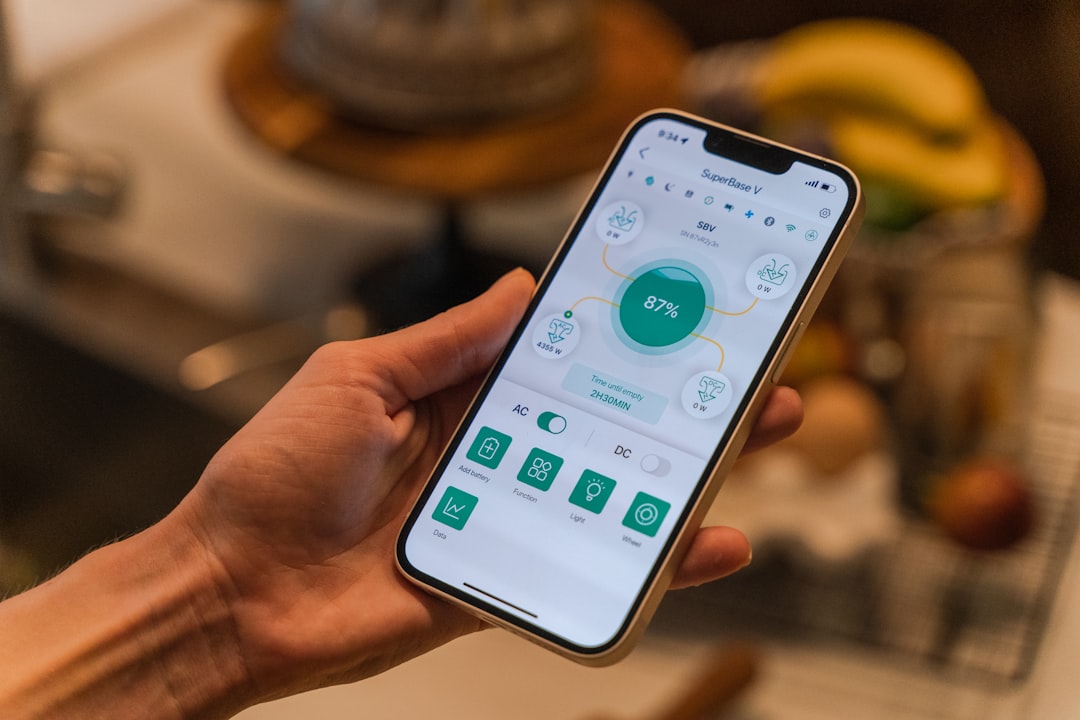
Smart home management software has rapidly evolved from a niche convenience into a critical infrastructure layer for modern living. As connected devices multiply in homes—ranging from lighting and climate control to security cameras and smart appliances—the need for centralized, intelligent control has become essential. Smart home management software serves as the digital backbone that unifies these devices, enabling automation, monitoring, optimization, and security from a single, coherent platform.
TLDR: Smart home management software centralizes control of connected devices, enabling automation, remote access, energy efficiency, and enhanced security. It integrates various systems—lighting, HVAC, security, and more—into a unified, intelligent environment. With features like real-time monitoring, data analytics, and AI-driven automation, it improves both convenience and sustainability. Choosing the right platform requires careful attention to compatibility, scalability, and cybersecurity.
Contents
What Is Smart Home Management Software?
Smart home management software is a comprehensive digital platform that connects, monitors, and automates smart devices within a residential environment. Rather than controlling each device through separate applications, homeowners gain access to a unified dashboard that provides centralized oversight and customizable automation.
At its core, the software performs three primary functions:
- Device Integration: Bringing multiple device types into one system.
- Automation Logic: Enabling rule-based or AI-driven scenarios.
- Monitoring and Analytics: Providing insight into usage patterns and system performance.
Modern platforms are designed to support interoperability across leading ecosystems while maintaining robust performance standards. Whether installed locally, cloud-based, or in hybrid form, the software acts as the operational command center of the smart home.
Core Components of a Smart Home Ecosystem
A complete smart home solution integrates numerous subsystems. Effective management software ensures these systems communicate seamlessly.

Key components typically include:
- Lighting Control: Automated scheduling, motion-triggered lighting, and energy optimization.
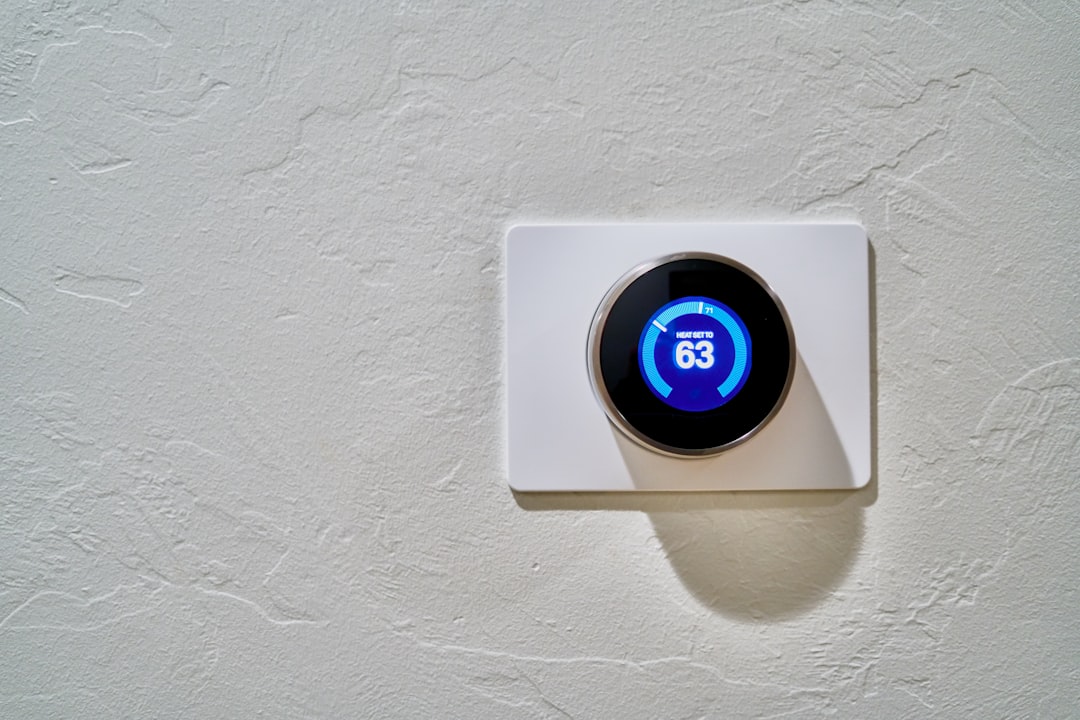
- Climate Control: Smart thermostats and HVAC system integration.
- Security Systems: Cameras, door locks, alarm sensors, and intrusion detection.
- Energy Monitoring: Real-time consumption tracking and reporting.
- Appliance Integration: Smart refrigerators, ovens, robotic vacuums, and more.
- Entertainment Systems: Audio, video streaming, and multi-room synchronization.
The software orchestrates these components through automation rules such as if-this-then-that logic or more advanced machine learning algorithms that adapt to behavioral patterns over time.
Benefits of Smart Home Management Software
1. Centralized Control
One of the most immediate advantages is consolidated management. Users gain:
- A single interface for all devices
- Remote access via mobile or web applications
- Real-time system status updates
This centralization reduces complexity and enhances reliability by eliminating fragmented control systems.
2. Automation and Operational Efficiency
Automation extends beyond convenience. It introduces measurable improvements in operational efficiency by reducing energy waste and minimizing manual intervention.
Examples include:
- Automatic temperature adjustment based on occupancy
- Scheduled lighting to match sunrise and sunset cycles
- Water leak detection triggers with automatic shut-off
Advanced platforms incorporate predictive intelligence, enabling software to anticipate user behavior and proactively optimize settings.
3. Enhanced Security and Risk Mitigation
Security integration is a primary driver of adoption. Smart home management systems provide features such as:
- 24/7 surveillance monitoring
- Instant mobile alerts for anomalies
- Remote locking and access authorization
- Activity logs with timestamped records
When combined with encrypted communication protocols and multi-factor authentication, these systems significantly strengthen residential security postures.
4. Energy Management and Sustainability
Energy consumption transparency is increasingly important in environmentally conscious households. Smart management platforms allow homeowners to:
- Track energy usage in real time
- Identify inefficiencies in appliances
- Optimize peak usage periods
- Generate usage reports for analysis
This data-driven insight supports cost reduction and contributes to long-term sustainability objectives.
Key Features to Evaluate
When selecting smart home management software, evaluating core features is essential for ensuring long-term reliability and performance.
Compatibility and Interoperability
The software must support a broad range of device protocols such as Wi-Fi, Zigbee, Z-Wave, Bluetooth, and emerging standards. Comprehensive compatibility reduces vendor lock-in and increases flexibility.
Scalability
Homes evolve over time. A suitable platform should accommodate device expansion without system degradation. Modular architecture and cloud scalability are strong indicators of future readiness.
User Interface and Usability
A well-designed interface enhances adoption and daily usability. Look for:
- Intuitive dashboards
- Customizable automation templates
- Simple rule creation workflows
- Clear status indicators
Cybersecurity and Data Privacy
Given the interconnected nature of smart devices, cybersecurity cannot be overlooked. Strong solutions incorporate:
- End-to-end encryption
- Secure device authentication
- Regular firmware updates
- Transparent data handling policies
Data privacy compliance with regional regulations further reinforces user trust.
Cloud-Based vs. Local Control Systems
Smart home management platforms typically operate using one of three architectures:
- Cloud-Based Systems: Remote accessibility and easier updates, but reliant on internet connectivity.
- Local Control Systems: Operate within the home network, offering greater privacy and lower latency.
- Hybrid Systems: Combine the resilience of local processing with cloud-based enhancements.
Each approach has distinct advantages. Cloud-based systems offer convenience, while local systems provide autonomy and enhanced data control. Hybrid architectures increasingly represent the industry standard due to their balance of performance and accessibility.
The Role of Artificial Intelligence in Automation
Artificial intelligence has begun to transform how smart homes operate. Instead of relying solely on manual rules, AI-enabled management software analyzes behavioral data to create adaptive automation.
For example:
- Lighting patterns adjust automatically to daily routines.
- Climate settings adapt based on occupancy trends.
- Security alerts learn to differentiate between normal and suspicious activity.
This evolution shifts smart homes from reactive systems to predictive environments that continually refine performance.

Challenges and Considerations
Despite substantial benefits, the implementation of smart home management software involves certain challenges:
- Device Fragmentation: Not all devices integrate seamlessly across platforms.
- Installation Complexity: Larger ecosystems may require professional setup.
- Initial Investment: Comprehensive systems can represent a significant upfront cost.
- Cybersecurity Risks: Poorly secured systems may become vulnerability points.
Mitigating these risks requires informed product selection, professional consultation when necessary, and consistent system maintenance.
Future Outlook
The smart home management software market continues to mature rapidly. Emerging standards in interoperability aim to unify device communication, simplifying integration across brands. In parallel, edge computing enhancements are reducing latency and improving privacy by processing more data locally.
We are also witnessing deeper integration between residential automation and broader smart city infrastructure. Homes may interact with energy grids dynamically, optimize electric vehicle charging schedules, and respond to demand-response programs in real time.
As artificial intelligence capabilities advance, tomorrow’s platforms will likely offer:
- Fully autonomous energy optimization
- Proactive maintenance scheduling
- Context-aware environmental adjustments
- Advanced voice and gesture interaction
Conclusion
Smart home management software is no longer a luxury addition to residential technology—it is becoming an essential framework for efficiency, security, and sustainability. By centralizing control and enabling sophisticated automation, these platforms transform connected devices into a cohesive, intelligent ecosystem.
For homeowners and property developers alike, investing in a robust and secure management solution offers tangible long-term benefits. From reduced energy consumption to improved risk mitigation and enhanced convenience, the advantages extend well beyond comfort. As interoperability improves and artificial intelligence capabilities expand, smart home management software will continue to redefine modern living standards in a practical and measurable way.