
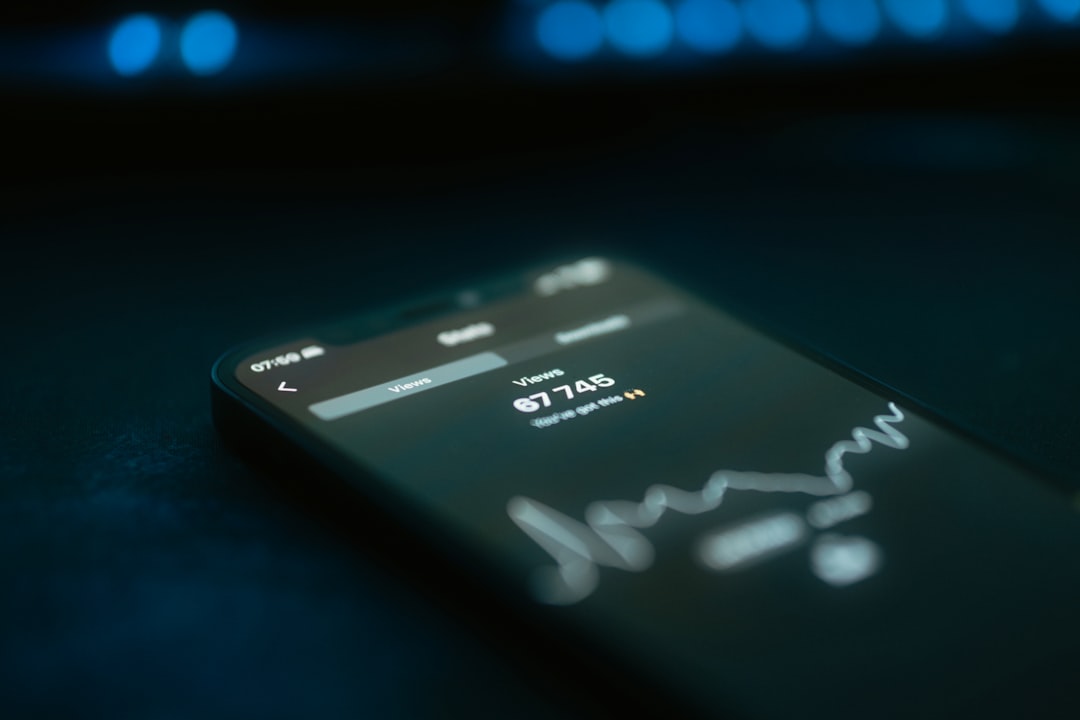
In recent years, sleep tracking tools such as Pillow and similar mobile and wearable applications have transformed how individuals understand their nightly rest. Once limited to clinical sleep laboratories, sleep analysis is now accessible through smartphones, smartwatches, and dedicated fitness devices. These tools promise to measure sleep stages, monitor heart rate and breathing patterns, detect disturbances, and provide actionable recommendations for improvement. But how reliable are they, and how should they be used for meaningful results?
TLDR: Sleep tracking tools like Pillow use smartphone sensors and wearable data to estimate sleep cycles, disturbances, and overall sleep quality. While not as precise as clinical sleep studies, they provide useful trends and behavioral insights over time. When interpreted correctly, they can help users improve routines, identify potential sleep issues, and build healthier habits. However, they should complement—not replace—professional medical advice when serious sleep disorders are suspected.
Contents
How Sleep Tracking Tools Work
Modern sleep tracking tools rely on a combination of hardware sensors and software algorithms. Applications like Pillow integrate with wearable devices such as smartwatches to collect biometric data. The most common data points include:
- Movement: Measured via accelerometers to detect tossing, turning, and restlessness.
- Heart Rate: Fluctuations can signal transitions between light, deep, and REM sleep.
- Breathing Patterns: In some devices, microphones or advanced sensors estimate respiratory rhythms.
- Environmental Sounds: Snoring, talking, or background noise disruptions.
By applying predefined algorithms to these signals, the app estimates sleep stages and compiles a visual report each morning. This usually includes graphs showing sleep cycles, heart rate variation, and a summarized sleep quality score.
The ease of use is part of the appeal. Simply wearing a smartwatch to bed or placing a smartphone near the pillow allows the app to record activity automatically. Over time, accumulated data creates a personalized sleep profile.
Understanding Sleep Stages and Metrics
To interpret sleep tracking data correctly, it is essential to understand basic sleep architecture. Human sleep consists of several repeating cycles, typically lasting 90–110 minutes. These cycles include:
- Light Sleep: The transition phase between wakefulness and deeper rest.
- Deep Sleep: Critical for physical restoration, immune function, and energy recovery.
- REM Sleep: Associated with vivid dreams, memory consolidation, and emotional regulation.
Sleep tracking apps estimate the duration and frequency of these stages. While consumer devices cannot measure brain waves (as clinical polysomnography does), they infer stages from movement and cardiovascular signals. The result is an approximation rather than a medical-grade diagnosis.
Apps like Pillow also compute metrics such as:
- Sleep Duration
- Sleep Consistency
- Time to Fall Asleep
- Wake After Sleep Onset
- Resting Heart Rate Trends
These metrics are especially valuable when evaluated longitudinally. A single night of poor sleep may mean little, but a consistent downward trend in deep sleep could signal stress, lifestyle imbalance, or potential health concerns.
Benefits of Using Sleep Analysis Tools
Sleep tracking tools provide several practical advantages, particularly for individuals seeking to optimize their daily performance and well-being.
1. Increased Self-Awareness
Many users overestimate or underestimate how much they actually sleep. Tracking tools provide objective data that corrects these perceptions. For example, someone who believes they sleep eight hours may discover frequent awakenings that reduce restorative sleep.
2. Behavioral Insights
By comparing sleep results with lifestyle habits—such as caffeine intake, exercise, or screen use—users can identify patterns. Late meals, alcohol consumption, or high stress often show measurable effects in sleep reports.
3. Smart Alarms
Some apps include intelligent alarm systems that wake users during lighter sleep stages within a selected time window. This can reduce morning grogginess and improve alertness.

4. Early Detection of Irregularities
While not diagnostic tools, sleep trackers may reveal unusual patterns such as consistently elevated nighttime heart rate or excessive restlessness. These observations can prompt users to consult healthcare providers earlier.
Limitations and Accuracy Considerations
Despite their usefulness, sleep tracking tools are not substitutes for professional sleep studies. Clinical polysomnography measures:
- Brain wave activity (EEG)
- Eye movement
- Muscle tone
- Oxygen levels
- Precise respiratory function
Consumer tools lack direct measurement of neural activity, relying instead on indirect proxies. As a result, stage classification can sometimes be inaccurate—particularly in distinguishing light sleep from quiet wakefulness.
Factors affecting accuracy include:
- Incorrect device placement
- Loose-fitting wearables
- Shared beds with partners or pets
- Environmental noise interference
Another emerging concern is orthosomnia—anxiety caused by obsessively monitoring sleep data. Focusing excessively on achieving perfect metrics may paradoxically worsen sleep quality. For this reason, experts recommend viewing results as general guidance rather than rigid performance targets.
Privacy and Data Security
Because sleep tracking apps collect sensitive biometric data, privacy considerations are crucial. Reputable tools implement encryption and transparent privacy policies, but users should still review data handling practices carefully.
Important questions to consider include:
- Is data stored locally or in the cloud?
- Is information shared with third parties?
- Can data be permanently deleted upon request?
Health-related data is deeply personal. Selecting a trustworthy application means evaluating not only features but also its commitment to confidentiality and ethical data management.
Best Practices for Meaningful Sleep Tracking
To maximize the value of sleep tracking tools such as Pillow, users should approach them systematically.
- Track Consistently: Wear the device nightly for reliable trend analysis.
- Log Lifestyle Factors: Record caffeine, alcohol, exercise, and stress levels.
- Focus on Trends, Not Single Nights: Variability is normal.
- Adjust Environment: Optimize temperature, lighting, and noise based on insights.
- Consult Professionals if Needed: Persistent issues warrant medical evaluation.
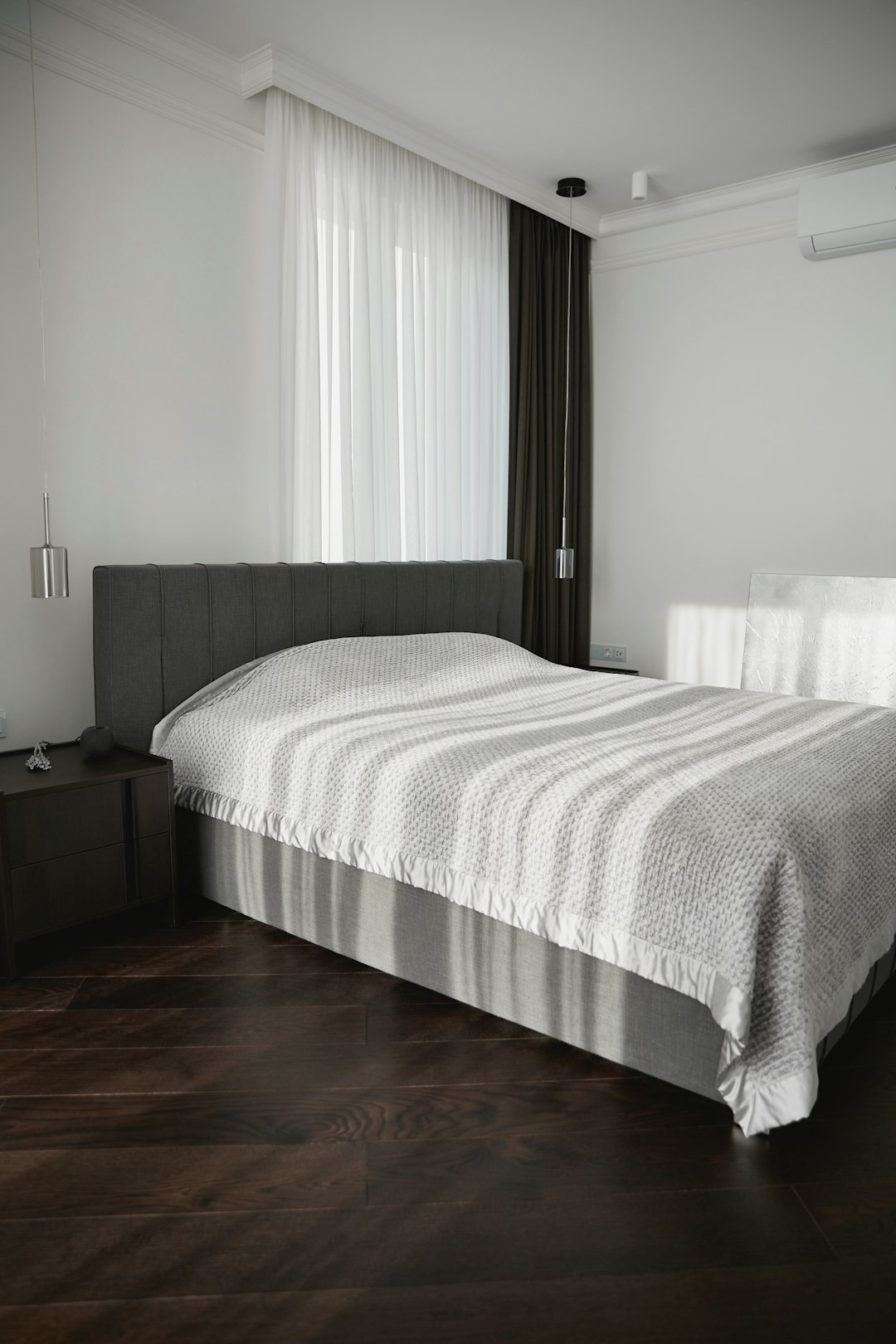
Combining sleep tracker insights with basic sleep hygiene principles often produces noticeable improvements. Maintaining regular bedtimes, limiting screen exposure before sleep, and ensuring a cool, dark environment remain foundational strategies.
Who Benefits Most from Sleep Tracking?
Sleep tracking is particularly valuable for:
- Professionals with high cognitive demands seeking performance optimization
- Athletes monitoring recovery cycles
- Shift workers managing irregular sleep patterns
- Individuals experiencing mild sleep disturbances
However, people with suspected sleep apnea, chronic insomnia, or severe nighttime breathing issues should not rely solely on consumer technology. Medical diagnosis and treatment remain essential in those cases.
The Future of Sleep Analysis
Technological advancements continue to narrow the gap between consumer and clinical monitoring. Emerging wearable devices are integrating more advanced sensors capable of measuring skin temperature, blood oxygen saturation, and heart rate variability with greater precision. Artificial intelligence models are also becoming more sophisticated, enabling personalized recommendations tailored to individual sleep histories.
As innovation progresses, sleep tracking may become a standard preventive health tool—integrated with broader wellness platforms that monitor nutrition, mental health, and physical activity. The key challenge will remain balancing accessibility with scientific accuracy.
Conclusion
Sleep tracking tools like Pillow represent a meaningful step forward in personal health awareness. They provide convenient, data-driven insights into sleep duration, patterns, and potential disturbances. While not a replacement for medical-grade diagnostics, these applications can encourage healthier routines and identify patterns that might otherwise go unnoticed.
Used responsibly and interpreted thoughtfully, sleep tracking technology acts as a supportive guide rather than a definitive authority. In a world where sleep deprivation is increasingly common, even modest improvements informed by consistent data can lead to significant gains in physical health, mental clarity, and overall well-being.