

In today’s fast-paced creative landscape, having a solid visual reference is more important than ever. Whether you’re a designer, marketer, brand strategist, or simply someone planning a personal project like a wedding or home renovation, mood boards serve as invaluable tools to harness and convey your vision. A well-constructed mood board can transform a spark of inspiration into a tangible concept, aligning teams and guiding creative decisions throughout an entire project.
Contents
TL;DR
A mood board is a curated collection of images, textures, colors, and typography that captures the look and feel of a project. It helps align teams, inspire creativity, and communicate visual direction clearly. Mood boards can be physical or digital and are widely used across industries from interior design to branding. Creating an effective mood board involves clear intent, thoughtful curation, and intelligent use of color and composition.
What Is a Mood Board?
A mood board, also known as an inspiration board or vision board, is a visual composition consisting of design elements such as images, typography, color palettes, patterns, and textures that help narrate the mood, style, and aesthetic of a creative project. Essentially, it’s a visual shorthand designed to express a concept before anything is built. It’s particularly helpful in situations where words alone may not sufficiently translate an idea.
Although mood boards originated in the fields of graphic and interior design, they have now spread into various disciplines, including:
- Fashion design
- Marketing and branding
- Web and UI/UX design
- Video production and photography
- Event planning
Why Use a Mood Board?
Creating a mood board isn’t just an artistic exercise. There are several key benefits:
- Clarity of Vision: A mood board condenses abstract thoughts into clear visuals, helping keep the creative vision focused and consistent.
- Efficient Communication: Creative ideas can be subjective. Sharing a mood board ensures everyone from clients to teammates is on the same page.
- Inspiration Boost: Seeing patterns and combinations in one place can spark new ideas or refine existing ones.
- Strategic Planning: It helps plan out themes, visual flows, and even guide design systems in a structured way.
Digital vs. Physical Mood Boards
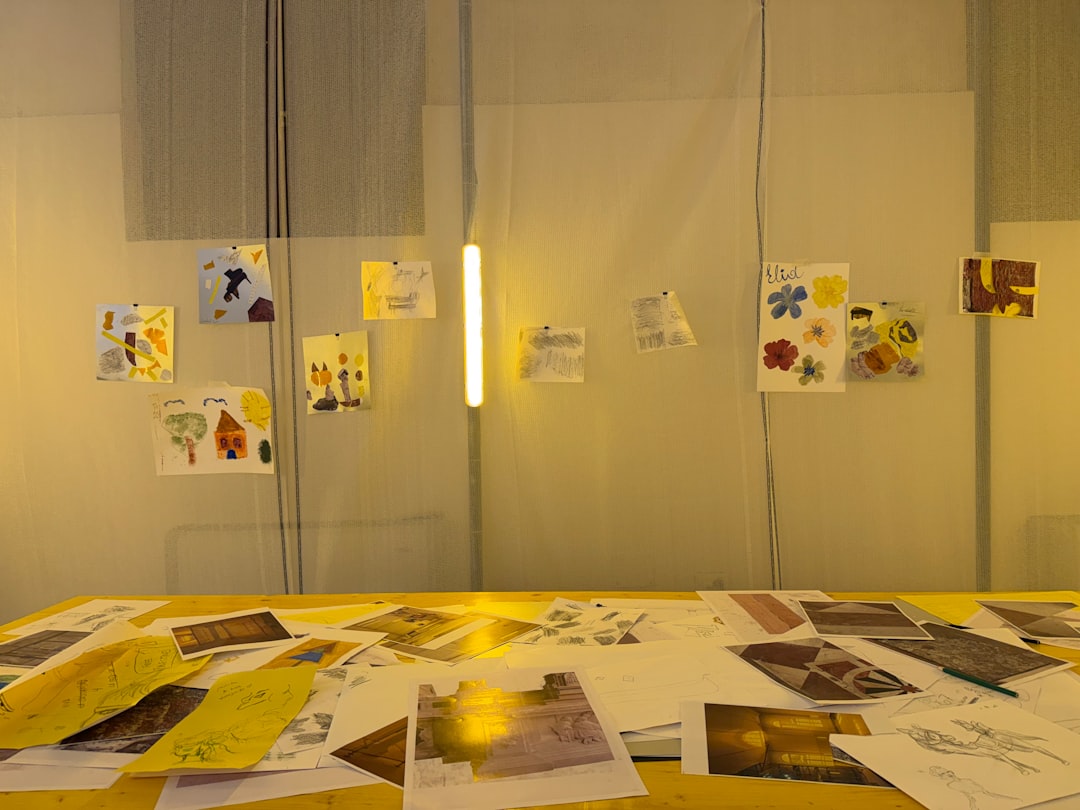
While traditional mood boards involve pinning real fabric swatches, magazine clippings, and printed photos onto a foam board or wall, the digital age has brought a revolution in how we create and share them. Each format has its own merits.
Physical Mood Boards
- More tactile and immersive
- Ideal for showcasing material textures and colors
- Can be physically present during collaborative meetings
Digital Mood Boards
- Easier to share, update, and duplicate
- Can incorporate animated visuals, GIFs, or video clips
- Integrated seamlessly with design software and cloud storage
Popular digital tools include platforms like Pinterest, Milanote, Canva, and professional-grade design software such as Adobe XD and Figma.
Steps to Create an Effective Mood Board
Building a successful mood board involves more than pinning random images together. There should be a clear purpose, narrative, and thought process behind it.
1. Define Your Objective
Start with clarity. Are you designing a new brand identity? Planning home decor? Shooting a fashion editorial? Identifying your project’s goal will guide every selection on your board.
2. Gather Visual Inspiration
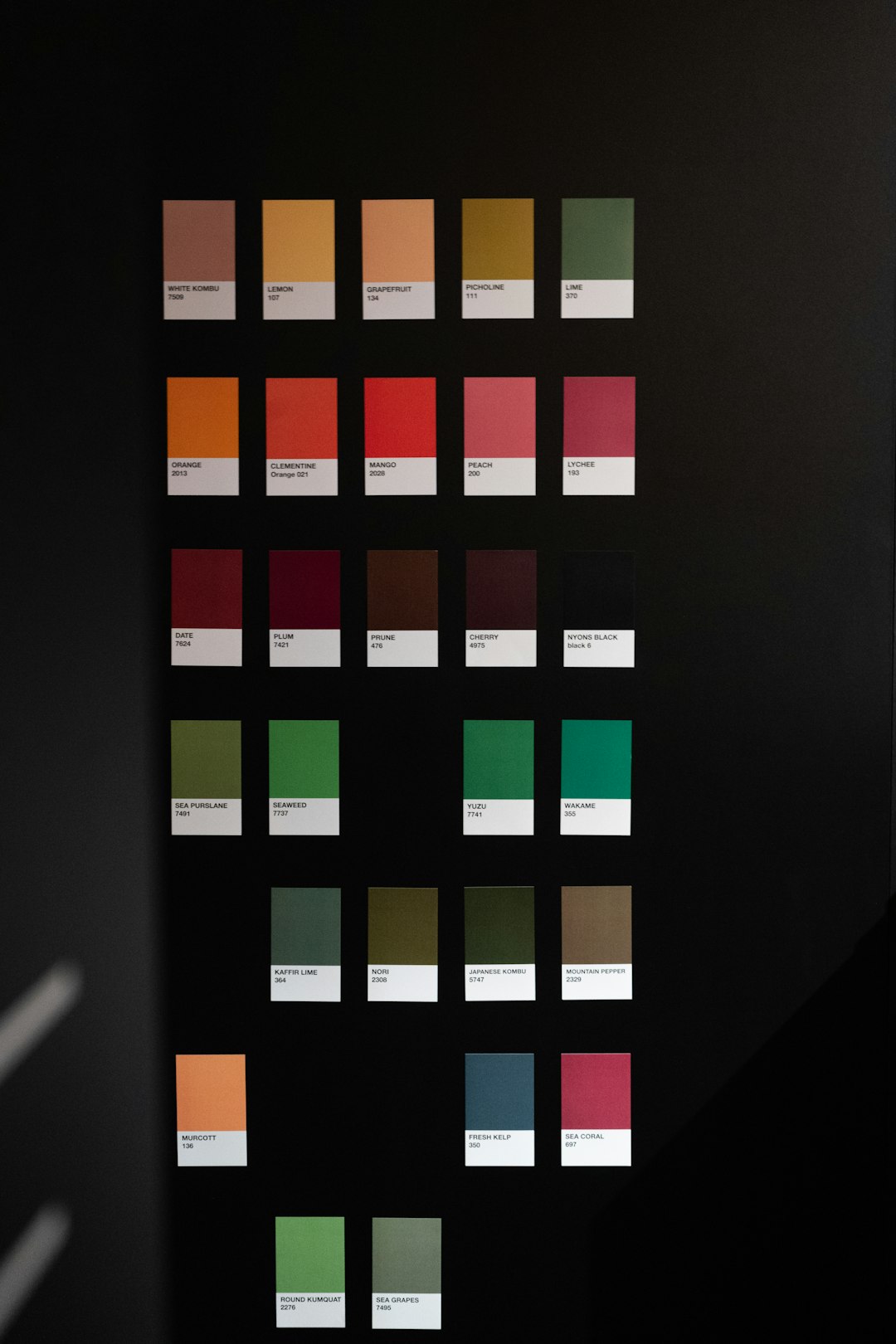
Collect images, fonts, color palettes, symbols, and any other elements that resonate with your concept. Don’t limit yourself. The sources can include:
- Photographs
- Paintings and illustrations
- Text excerpts or typography samples
- Textures like wood grains, fabrics, or metals
- Patterns, icons, logos
3. Edit and Curate
Once you’ve gathered enough material, it’s time to trim excess. Select only those elements that perfectly align with your vision. A mood board should not be cluttered—it should have intentional rhythm and negative space to emphasize what’s important.
4. Arrange for Impact
Group similar elements or create sections if your mood board has multiple themes. Pay attention to composition, color balance, and flow. A well-organized mood board tells a visual story from top to bottom or left to right.
5. Add Annotations (Optional)
Sometimes a minor explanation can add clarity. Consider adding short text notes beside key elements to justify their inclusion or to define how they’ll be used in the final product.
6. Review and Refine
Step back and examine your mood board. Does it reflect your original objective? Is there cohesion among the elements? Ask stakeholders for feedback and make adjustments accordingly.
Case Studies Where Mood Boards Made a Difference
Branding Campaign: A digital marketing agency created a mood board for a tech startup to pinpoint brand mood—balancing modern aesthetics with warmth and approachability. This initial mood board guided the entire brand book from color schemes to tone of voice.
Interior Design: A client working with an interior designer brought a Pinterest mood board showcasing minimalist Scandinavian bedrooms. This became the launchpad for sourcing furniture, wall decor, and choosing a calming color palette.
Fashion Editorial: Before a major shoot, a magazine’s creative team assembled a visual mood board depicting mood, poses, lighting styles, and even model expressions. This streamlined communication between photographers, stylists, and art directors.
Tips for Creating High-Impact Mood Boards
- Be selective: Only add what directly contributes to your vision. Less is often more.
- Maintain consistency: Especially in color palette, typography, and imagery quality.
- Use grids: When working digitally, grid layouts help maintain visual balance.
- Update as needed: A mood board is a living document. Refine and evolve it as creative direction develops.
- Tell a story: Use visual flow to lead the viewer through a cohesive journey rather than a scattered collage of ideas.
Common Mistakes to Avoid
- Overcrowding: Cramming too much on one board can dilute its impact.
- Lack of purpose: Avoid random collecting without a clear prompt or intention.
- Ignoring hierarchy: Not all visuals should weigh equally. Prioritize focal elements.
- Poor quality images: Low-resolution or pixelated images can detract from professionalism.
- Neglecting feedback: Reviewing with team members or clients can provide essential insights.
Final Thoughts
Creating a mood board is much more than curating eye candy—it’s about constructing a visual language that will echo through every touchpoint of your creative endeavor. When done well, a mood board offers creative alignment, consistency, and clarity. It becomes the north star for everyone involved in the creative process, ensuring that the final output matches the initial spark of vision.
Whether you’re just starting out in a creative field or are an experienced professional, mastering the art of building mood boards can elevate your projects and streamline creative communication. As with any great tool, its effectiveness comes down to thoughtfulness, intent, and execution.