
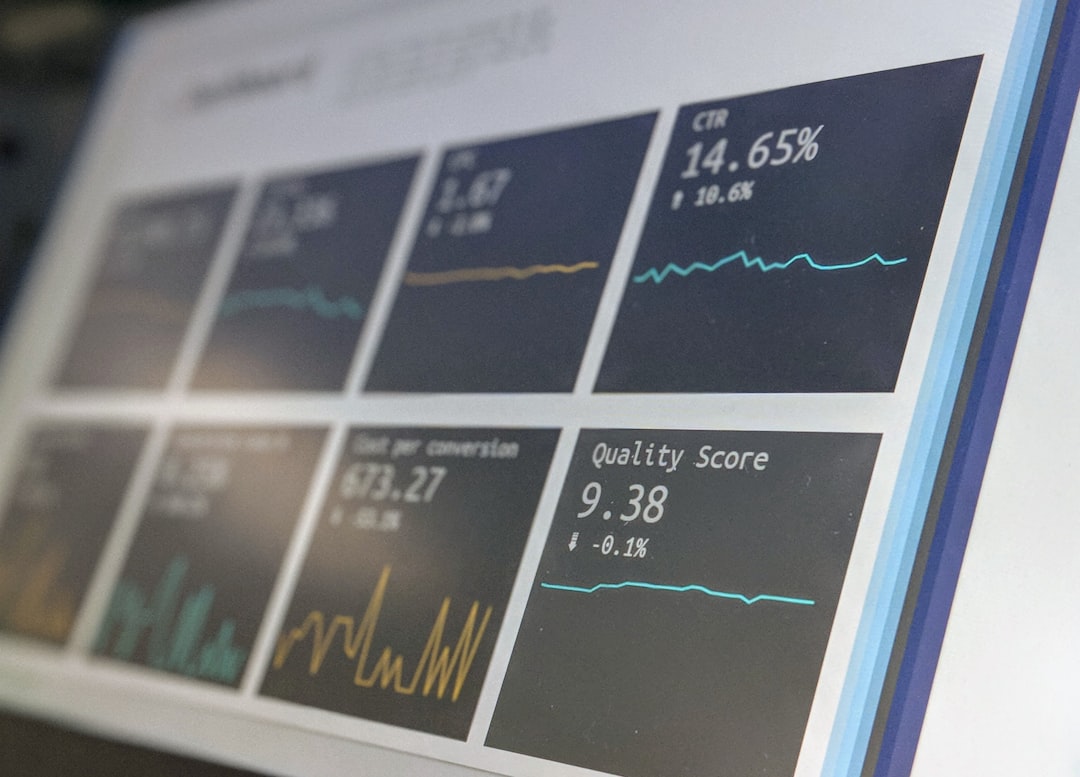
In today’s fast-paced and data-driven business landscape, decision-makers increasingly turn to artificial intelligence (AI) to supercharge their strategies and operations. AI-powered analytics, in particular, are transforming how businesses interpret information, identify trends, and deploy actionable insights. From predictive analytics to intelligent automation, these tools are paving the way for more informed and efficient decisions across departments.
Contents
TLDR
AI-driven analytics significantly enhance business decision-making by converting massive amounts of data into actionable insights. These tools help identify patterns, predict outcomes, optimize operations, and reduce risks. Businesses using AI analytics experience improved operational efficiency, cost savings, and strategic decision-making. With proper integration, AI analytics can become a cornerstone of digital transformation initiatives.
The Power of AI in Business Analytics
Businesses today are awash in data, and traditional analytics methods often fail to uncover the full value locked within. AI-driven analytics enters the scene by enabling machines to:
- Process vast volumes of data faster than any human analyst could
- Identify complex patterns that might go unnoticed with conventional tools
- Generate real-time insights as circumstances evolve
Modern AI technologies, such as machine learning (ML), natural language processing (NLP), and deep learning, can automatically adapt to changing data conditions. Instead of relying solely on historical analysis, AI can proactively anticipate future events, giving businesses a strategic edge.
Enhancing Decision-Making with AI Analytics
Making smarter decisions no longer requires intuition or guesswork. AI analytics offers a clear path to objective, data-backed insights, especially in the following areas:
1. Predictive Insights
By analyzing historical data and current trends, AI models can predict market shifts, consumer behavior, and operational outcomes. These insights allow companies to make preemptive decisions, avoiding risks and capitalizing on emerging opportunities.
2. Improved Forecasting Accuracy
Traditional forecasting models are static and prone to error. AI algorithms, however, learn over time and adjust to seasonalities and anomalies within datasets. This makes AI especially valuable in industries like retail, manufacturing, and finance, where accurate demand planning is crucial.
3. Enhanced Customer Understanding
Through sentiment analysis, clustering, and behavioral modeling, AI analytics can uncover nuanced insights about customer needs and pain points. This paves the way for more personalized marketing strategies and improved user experience, boosting conversion rates and customer loyalty.

Operational Efficiency Through Automation and Intelligence
AI is more than a tool for insights—it is also a driver of automation. By leveraging AI analytics, businesses can streamline internal operations, reduce manual labor, and enhance productivity across departments.
1. Intelligent Process Automation
AI can monitor workflows and identify inefficiencies. With robotic process automation (RPA) powered by analytics, businesses can automate repetitive and time-consuming tasks, from financial reconciliations to customer service routing.
2. Inventory and Supply Chain Optimization
By continuously analyzing supplier data, logistics performance, and external conditions, AI tools can recommend optimal inventory levels, prevent stockouts, and reduce excess inventory. This is especially important in global supply chains full of dynamic variables.
3. Quality Control and Predictive Maintenance
AI-driven image recognition and anomaly detection can catch product defects during manufacturing with far greater accuracy than manual inspection. Similarly, predictive maintenance models use sensor data to foresee equipment failures before they occur, minimizing downtime and costly repairs.
According to McKinsey, businesses that have adopted data-driven practices are 23 times more likely to acquire customers, six times more likely to retain them, and 19 times more likely to be profitable.
Overcoming the Challenges of AI Integration
While the benefits of AI analytics are undeniable, implementing such a system comes with challenges. Business leaders must prepare to address the following:
- Data Quality and Silos: AI models are only as good as the data they consume. Ensuring data accuracy, consistency, and centralization is critical for reliable insights.
- Ethical Concerns: Privacy, bias, and transparency in AI decision-making should be managed proactively to maintain trust with customers and regulators.
- Talent Gap: Many organizations lack in-house expertise to build and maintain AI analytics systems. This may require hiring or retraining staff, or relying on strategic partnerships.
Planning and change management are essential to ensure a smooth transition and positive user adoption of AI-driven systems. Leaders need to communicate the value of transforming their analytics approach clearly and consistently.
Use Cases across Industries
AI-driven analytics has found application across nearly every sector. Here are a few illustrative examples:
- Retail: AI helps in personalized product recommendations, inventory planning, and dynamic pricing optimization based on real-time demand.
- Healthcare: Predictive modeling is used to anticipate disease outbreaks, optimize resource allocation, and assist faster diagnosis.
- Financial Services: AI enables fraud detection, credit scoring, algorithmic trading, and customer sentiment analysis.
- Manufacturing: Predictive maintenance and quality assurance using sensor data ensure smooth operations and safety compliance.

Best Practices for Implementing AI Analytics
To derive the most value from AI-driven analytics, organizations should adhere to the following best practices:
- Start with a clear business objective. Define what problems you aim to solve and what success looks like.
- Ensure data readiness. Invest in cleaning, integrating, and securing data to serve your models well.
- Collaborate between business and tech teams. Decision-makers and technical experts should work closely to align tools with strategic goals.
- Scale gradually. Begin with pilot projects in high-impact areas and scale them across the organization as results are proven.
- Stay compliant and ethical. Maintain transparency and fairness in how AI models are built and used.
The Future of AI-Driven Decision Making
The role of AI in business analytics is still expanding. As models become more sophisticated and data processing capabilities improve, AI will become more embedded in everyday business tools. Future advancements include:
- Natural Language Querying: Enabling non-technical stakeholders to access complex insights using simple language.
- Cognitive Analytics: Combining AI with human-like reasoning for contextual decision support.
- AutoML (Automated Machine Learning): Lowering the barrier to implementing machine learning models at scale.
Ultimately, businesses that treat AI not just as a tool but as a strategic asset will lead the way in innovation, profitability, and customer satisfaction.
Conclusion
AI-driven analytics is not a future technology; it’s a present-day differentiator. Organizations that embrace it can unlock a new era of data-centered decision-making and operational excellence. From sharpening strategic insights to enabling intelligent automation, AI analytics empowers businesses to not only respond to change — but to anticipate and shape it.