
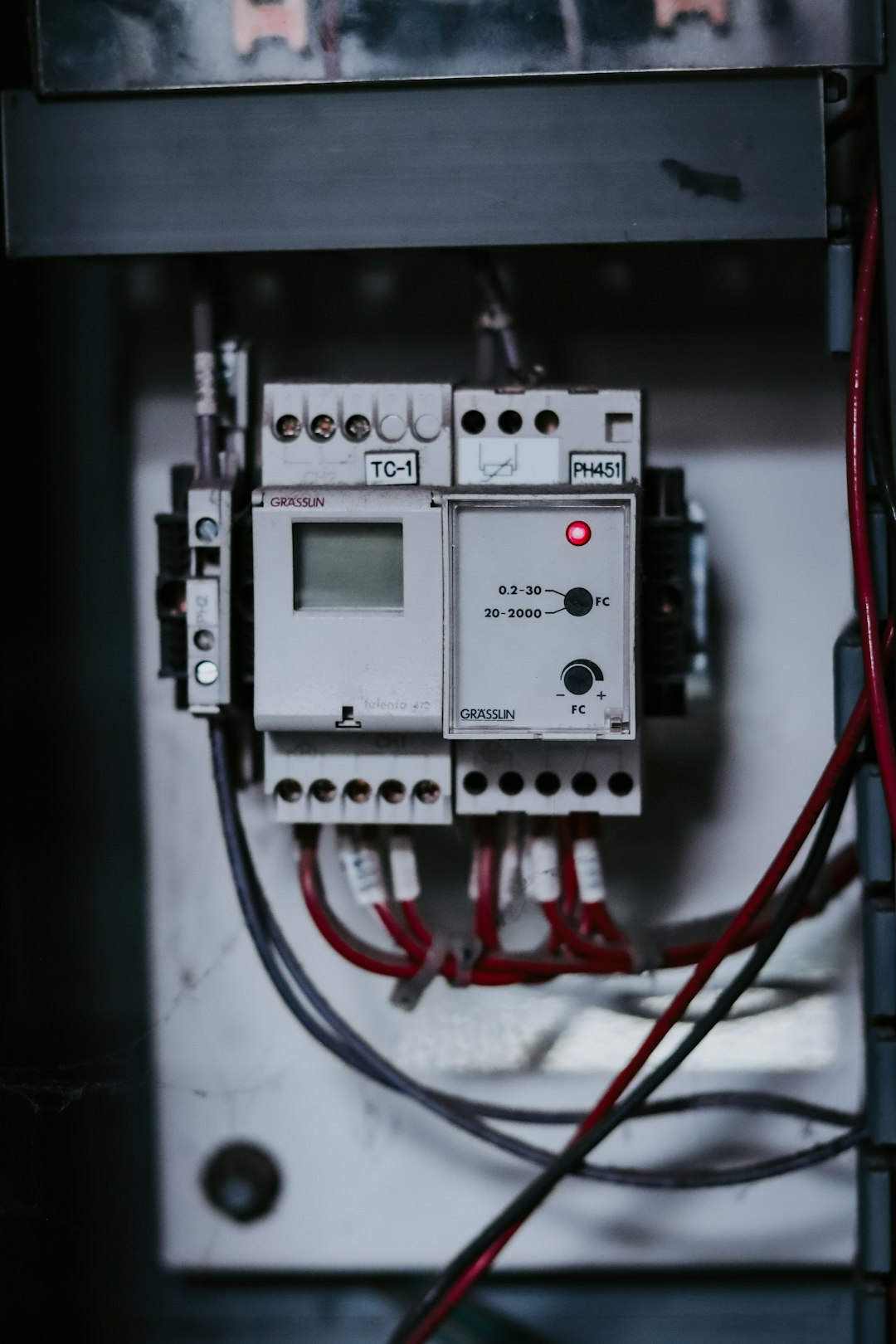
Rising electricity costs, increasing environmental awareness, and the rapid adoption of smart home technology have made energy transparency more important than ever. Home energy monitoring platforms like Emporia are transforming how homeowners understand and manage their electricity consumption. Rather than relying on a monthly utility bill that arrives long after usage occurs, these systems provide real-time insight into where, when, and how power is being used inside the home.
TLDR: Home energy monitoring platforms like Emporia give homeowners real-time visibility into electricity usage, helping reduce waste and lower bills. By tracking individual circuits and sometimes specific appliances, users can make smarter energy decisions. These systems are particularly valuable for households with electric vehicles, solar panels, or high seasonal energy demand. Over time, detailed monitoring can lead to measurable cost savings and improved energy efficiency.
Contents
What Are Home Energy Monitoring Platforms?
Home energy monitoring platforms are devices and software systems that track electricity usage at the panel level. They connect to your home’s breaker panel and measure energy consumption in real time. Most modern systems pair hardware sensors with a mobile or web app, offering detailed usage analytics through an intuitive dashboard.
Platforms like Emporia typically include:
- Circuit-level monitoring to track energy use for specific breakers
- Real-time usage data measured in watts, kilowatt-hours, and cost estimates
- Historical reporting by hour, day, week, or month
- Custom alerts for unusual consumption spikes
- Integration with solar systems or smart home devices
This level of detail moves homeowners beyond guesswork. Instead of asking why the bill increased, users can identify exactly which system or appliance contributed to the rise.

How Emporia and Similar Systems Work
Most home energy monitoring platforms use current transformers (CT clamps) installed inside the electrical panel. These clamps measure the electrical current flowing through individual circuits without disrupting service. Data collected from these sensors is transmitted to a central unit, which then sends information to a cloud-based platform accessible via smartphone or desktop.
The installation process generally requires:
- Turning off the main breaker
- Installing CT clamps around selected circuits
- Connecting monitoring leads to the system hub
- Pairing the device with Wi-Fi and the monitoring app
Although some technically confident homeowners install these devices themselves, many prefer hiring a licensed electrician to ensure safety and compliance with local codes.
Once installed, the system begins collecting data immediately, allowing homeowners to view live power consumption across the whole home or broken down by appliance circuits such as:
- HVAC systems
- Water heaters
- Electric vehicle chargers
- Kitchen appliances
- Washer and dryer units
Why Real-Time Monitoring Matters
Traditional utility billing provides limited insight. A homeowner might see total kilowatt-hours consumed but lacks clarity on how usage patterns developed. Real-time monitoring changes this dynamic entirely.
Immediate feedback allows users to:
- Identify devices that draw excessive standby power
- Measure the cost of running high-demand appliances
- Detect malfunctioning equipment
- Understand peak consumption periods
For example, if activating a space heater instantly increases usage by several kilowatts, the homeowner can quantify its operational cost and make informed decisions about alternative heating options.
This awareness naturally encourages behavior change. Studies on energy feedback systems have shown that households typically reduce consumption by 5% to 15% simply by having access to detailed usage data.
Energy Monitoring in Homes with Solar Panels
Homes equipped with solar photovoltaic systems benefit greatly from advanced monitoring. Platforms like Emporia can track both energy consumption and solar production, providing a complete picture of energy flow.
Image not found in postmetaThis visibility allows homeowners to:
- Maximize self-consumption of solar energy
- Reduce grid dependency during peak rate periods
- Evaluate the effectiveness of battery storage systems
- Monitor return on investment for solar installations
For instance, a homeowner may choose to run a dishwasher or charge an electric vehicle during peak solar production hours rather than at night. Monitoring makes these micro-adjustments practical rather than theoretical.
Managing Electric Vehicle Charging
The rise in electric vehicle ownership has significantly increased household electrical demand. EV chargers can draw as much power as an entire HVAC system when active. Without monitoring, this additional load can result in noticeable spikes in electricity bills.
Home energy monitoring platforms help by:
- Tracking EV charging costs separately
- Scheduling charging during off-peak utility rates
- Ensuring panel capacity is not exceeded
- Measuring the true cost per mile of driving electric
When combined with time-of-use utility pricing, detailed monitoring can produce meaningful savings over the course of a year.
Identifying Inefficiencies and Equipment Failures
One of the less discussed but highly valuable benefits of energy monitoring is predictive awareness. Sudden, unexplained increases in energy consumption often signal a problem.
Examples include:
- A failing refrigerator compressor running continuously
- An aging water heater losing efficiency
- HVAC systems short-cycling or operating excessively
- Well pumps or sump pumps running longer than expected
Early detection through consumption patterns allows homeowners to address maintenance issues before they escalate into costly repairs or replacements.
Data Transparency and Long-Term Planning
Beyond immediate savings, energy monitoring platforms provide valuable insight for long-term decision-making. If a household is considering upgrading insulation, replacing windows, or investing in a heat pump, consumption data can guide those investments.
For example:
- If heating represents 45% of annual energy use, improving efficiency in that area may yield the highest return.
- If summer demand greatly exceeds winter usage, targeted cooling improvements may be the priority.
- If base load usage remains constant overnight, phantom loads could be identified and reduced.
These data-backed decisions remove emotional guesswork and replace it with measurable evidence.

Installation Considerations and Safety
Installing a panel-based monitoring system requires care. Electrical panels contain high-voltage components that pose serious risk if handled improperly. Before installing any monitoring device, homeowners should consider:
- Panel capacity and space availability
- Wi-Fi signal strength near the panel
- Local electrical codes and permitting requirements
- Professional installation costs
While many monitoring systems are marketed to DIY users, professional installation provides assurance that all connections are secure and code compliant.
Privacy and Data Security
Because these platforms rely on cloud-based analytics, privacy and cybersecurity are important considerations. Energy data may reveal patterns of home occupancy, appliance usage, and lifestyle habits.
Homeowners should evaluate:
- Data encryption standards
- Two-factor authentication availability
- Company data retention policies
- Firmware update frequency
Reputable providers typically invest heavily in secure infrastructure and transparent privacy policies. As with any Internet-connected device, maintaining updated passwords and software is essential.
Cost vs. Return on Investment
The cost of a home energy monitoring system typically ranges from a few hundred dollars for hardware, with optional professional installation fees. While the upfront expense may cause hesitation, the long-term financial impact can justify the investment.
Potential savings come from:
- Reduced overall energy consumption
- Optimized time-of-use rate scheduling
- Early detection of failing equipment
- Better management of solar and EV systems
In many households, even a 10% reduction in electricity costs can allow the system to pay for itself within a few years. More importantly, it creates lasting awareness that sustains savings well beyond the break-even point.
The Future of Home Energy Monitoring
As smart grids evolve and dynamic pricing becomes more common, granular energy data will likely become a necessity rather than a luxury. Integration between monitoring platforms and smart home automation systems is already expanding.
Future developments may include:
- Automated load shifting during peak pricing
- AI-driven efficiency recommendations
- Seamless integration with battery storage systems
- Expanded appliance-level recognition without manual circuit tagging
The homes of the future will not simply consume electricity; they will intelligently manage it.
Conclusion
Home energy monitoring platforms like Emporia represent a significant advancement in residential energy management. By providing detailed, real-time insight into electricity consumption, these systems empower homeowners to reduce waste, lower costs, and make informed long-term decisions. Whether managing an electric vehicle charger, optimizing solar production, or simply identifying inefficient appliances, visibility is the foundation of control.
In an era defined by rising energy costs and increased electrification, data-driven household management is no longer optional for those seeking efficiency. It is a practical, measurable, and increasingly essential tool for responsible homeownership.