
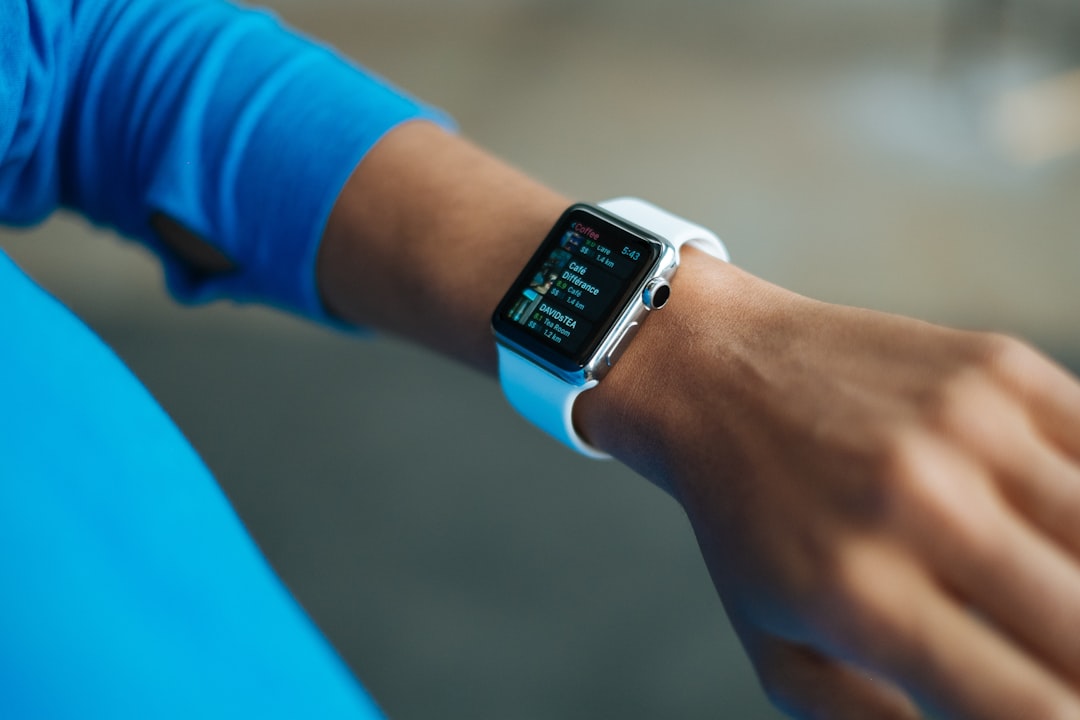
Digital transformation has reshaped nearly every industry, and healthcare is no exception. In recent years, health data platforms like Samsung Health have emerged as powerful tools for collecting, organizing, and interpreting personal health information. These platforms allow individuals to track everything from daily step counts to heart rate variability, sleep cycles, nutrition habits, and even medical records. As wearable devices and connected health technologies become more widespread, centralized health data management is no longer a futuristic idea—it is a daily reality for millions of users worldwide.
TLDR: Health data platforms such as Samsung Health provide centralized tools for monitoring and managing personal health information. They integrate data from wearables, smartphones, and medical devices to deliver actionable insights. These platforms empower users to improve wellness, track chronic conditions, and share information with healthcare providers. While privacy and data security remain key concerns, the benefits of real-time health tracking continue to drive rapid adoption.
Contents
The Rise of Digital Health Data Platforms
The rapid proliferation of smartphones, wearable fitness trackers, and smartwatches has created an ecosystem in which health data is generated continuously. Platforms like Samsung Health serve as central hubs that aggregate data from multiple sources. Instead of relying on isolated apps for exercise, nutrition, sleep, or heart monitoring, users can manage all their health information in one place.
Modern health platforms typically support:
- Fitness tracking (steps, calories burned, workout types)
- Vital signs monitoring (heart rate, blood oxygen, blood pressure)
- Sleep analysis (sleep stages, duration, quality)
- Nutrition and hydration logs
- Mental health features (stress tracking, mindfulness exercises)
- Medical data storage (lab results, prescriptions, vaccination records)
This integration transforms raw data into structured, meaningful insights that users can understand and act upon.
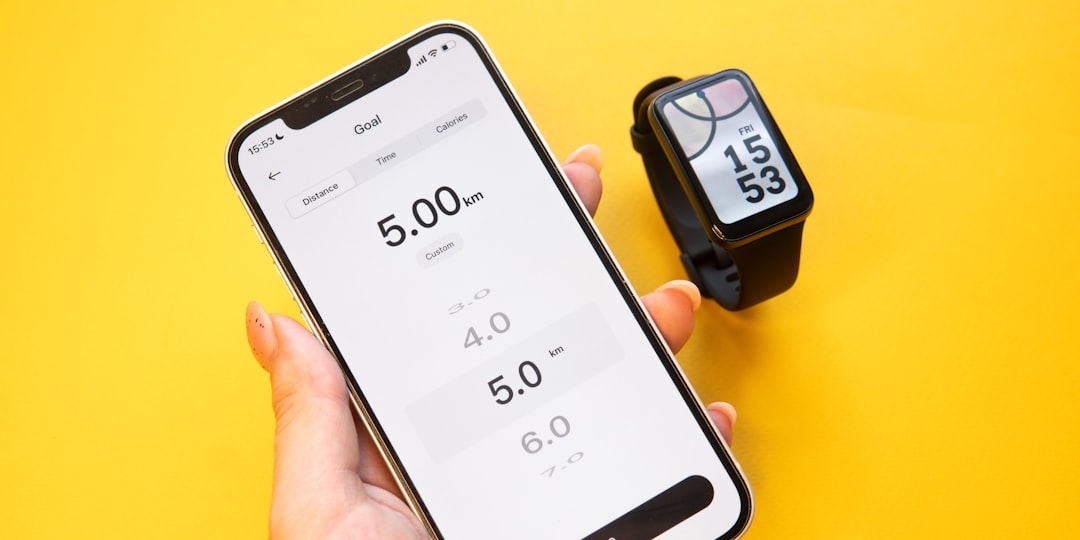
Core Features of Platforms Like Samsung Health
1. Centralized Data Management
One of the most significant advantages of platforms like Samsung Health is data centralization. Rather than scattering information across multiple devices and applications, users have a unified dashboard displaying comprehensive metrics. This approach simplifies health management and reduces fragmentation.
Centralized systems also allow for trend analysis over time. For example, users can examine how improved sleep patterns influence stress levels or how increased physical activity impacts resting heart rate.
2. Real-Time Monitoring and Feedback
Health data platforms provide real-time analytics powered by integrated sensors. Smartwatches and fitness bands continuously collect biometric data. The platform then interprets this information and generates immediate feedback, such as:
- Alerts for elevated heart rate
- Reminders to stand or move
- Notifications about irregular sleep
- Hydration reminders
This immediate feedback loop encourages proactive health management rather than reactive treatment.
3. Personalized Insights and Goal Setting
Advanced algorithms analyze historical data and behavioral patterns to offer personalized health recommendations. For instance, Samsung Health might suggest:
- Adjusting daily step goals
- Improving bedtime consistency
- Incorporating stress-reducing activities
- Modifying calorie intake targets
Personalization makes the platform more relevant and increases long-term user engagement.
Integration with Wearables and Medical Devices
A defining feature of modern health data platforms is seamless device integration. Samsung Health can synchronize with smartwatches, heart rate straps, smart scales, and sometimes even medical-grade devices.
This interoperability allows users to:
- Automatically sync workout sessions
- Track blood pressure readings over time
- Monitor glucose levels (in supported configurations)
- Compile weight trends from smart scales
The integration ensures that data collection is effortless. Instead of manual entry, most information is automatically recorded and categorized.
Supporting Preventive Healthcare
Preventive healthcare focuses on identifying and mitigating risk factors before they develop into serious conditions. Health data platforms contribute to this approach by offering continuous monitoring.
For example:
- Irregular heart rhythm notifications can prompt early medical evaluation.
- Sleep data may reveal chronic insomnia.
- Stress tracking can uncover patterns linked to mental health concerns.
By making trends visible, platforms empower individuals to seek timely medical advice. In some cases, early detection has been credited with preventing more severe health complications.
Data Sharing with Healthcare Providers
Increasingly, health platforms allow users to share selected data with healthcare professionals. This capability enhances clinical consultations because physicians gain access to long-term metrics rather than isolated snapshots collected during office visits.
Potential benefits of data sharing include:
- More accurate diagnosis
- Better chronic disease management
- Improved medication adjustments
- Enhanced remote patient monitoring
For patients managing conditions such as hypertension, diabetes, or cardiovascular issues, consistent data sharing can significantly improve outcomes.
Privacy and Data Security Considerations
While health data platforms offer substantial benefits, they also raise concerns regarding privacy and cybersecurity. Personal health data is highly sensitive, and unauthorized access can have serious consequences.
Reputable platforms typically implement:
- End-to-end encryption
- Secure authentication methods
- Permission-based data sharing
- Compliance with regional regulations
Users are encouraged to review privacy policies, enable two-factor authentication, and carefully manage sharing permissions to maintain control over their information.
The Role of Artificial Intelligence and Machine Learning
Artificial intelligence plays an increasingly important role in health data platforms. AI algorithms analyze massive datasets to identify patterns that may not be obvious to users.
Applications include:
- Predictive health risk assessments
- Sleep score calculations
- Automated workout detection
- Personalized wellness coaching
As machine learning models improve, health platforms are likely to become even more proactive, potentially predicting health events before symptoms arise.

Benefits for Different User Groups
Fitness Enthusiasts
For athletes and fitness-focused individuals, platforms like Samsung Health provide detailed performance metrics. This data supports optimized training planning and recovery management.
Chronic Condition Patients
Patients managing long-term conditions benefit from consistent tracking and structured reporting. Trends can be shared with healthcare providers to adjust treatment strategies effectively.
General Wellness Users
Even individuals without specific health concerns gain insights into daily habits and lifestyle behaviors. Small adjustments, such as improved sleep consistency or increased step counts, can yield long-term health benefits.
Challenges and Limitations
Despite their advantages, health data platforms are not without limitations. Data accuracy varies depending on device quality and user behavior. Wearable sensors may produce inconsistent readings during certain activities.
Other challenges include:
- Data overload and information fatigue
- Interoperability issues between brands
- Dependence on device battery life
- Potential anxiety caused by constant monitoring
To maximize benefits, users must balance engagement with mindful use, avoiding excessive dependence on metrics alone.
The Future of Health Data Platforms
The future of platforms like Samsung Health lies in greater integration, predictive capabilities, and clinical partnerships. As healthcare systems adopt digital solutions, these platforms could become standard tools for patient engagement.
Emerging developments may include:
- Deeper integration with electronic health records
- Expanded remote patient monitoring programs
- Enhanced AI-driven diagnostics
- Improved cross-platform interoperability
As technology evolves, the boundary between consumer wellness tracking and professional healthcare management may continue to blur.
Frequently Asked Questions (FAQ)
1. What is Samsung Health?
Samsung Health is a digital health platform that collects and organizes data from smartphones, smartwatches, and other connected devices to help users monitor and manage their health.
2. Is data on health platforms secure?
Most reputable platforms use encryption and secure authentication methods. However, users should enable security features and carefully review privacy settings to protect their data.
3. Can health data platforms replace doctors?
No. These platforms are designed to complement professional medical care, not replace it. They provide insights and data that can support medical consultations.
4. Do health data platforms work with devices from different brands?
Compatibility varies. Some platforms support third-party integrations, but full functionality may depend on the device ecosystem.
5. Are wearable devices accurate?
Wearables provide useful estimates but are not always as precise as medical-grade equipment. Accuracy can vary depending on the device and usage conditions.
6. Who benefits most from using health data platforms?
Fitness enthusiasts, individuals managing chronic conditions, and users aiming to improve general wellness all benefit from centralized health tracking and personalized insights.
Health data platforms like Samsung Health represent a significant advancement in personal health management. By combining real-time monitoring, data analysis, and device integration, they empower users to make informed decisions about their well-being. While concerns about privacy and accuracy remain important, the ongoing evolution of digital health technologies continues to shape a more connected and proactive healthcare landscape.