
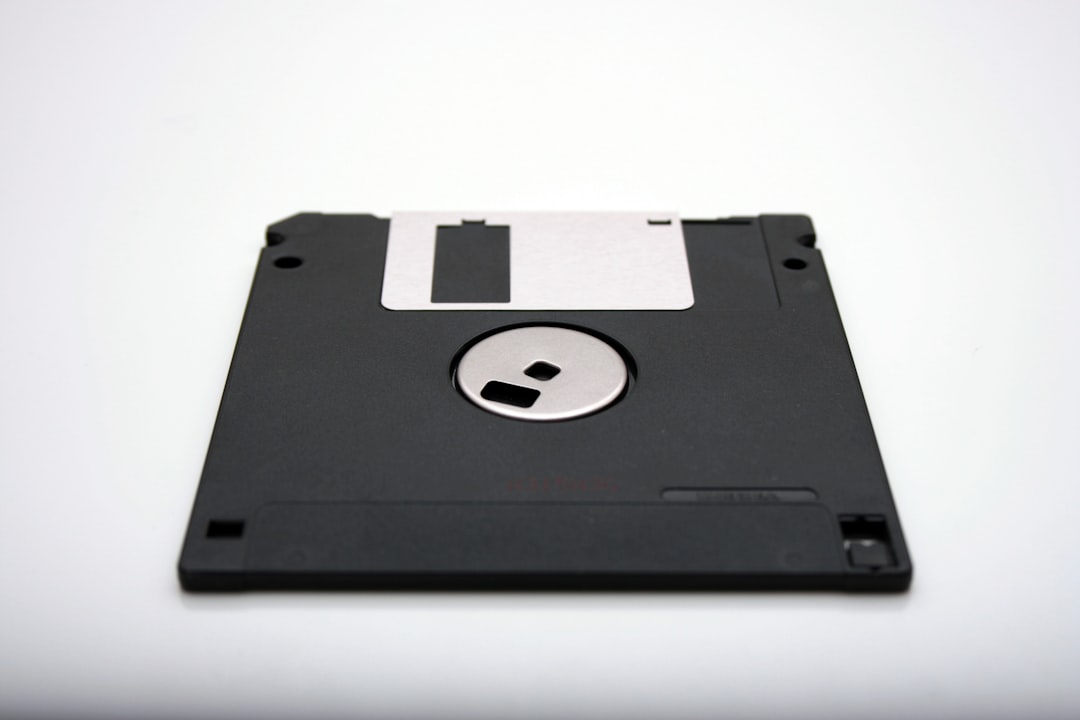
Long after the last floppy disk rolled off assembly lines, this once-ubiquitous piece of hardware lives on—in our user interfaces. The floppy disk save icon is a classic example of skeuomorphism, where digital design mimics real-world objects. It’s more than nostalgia; it’s a fascinating journey through design, technology, and user psychology.
Contents
TL;DR
The floppy disk icon is a lasting symbol of skeuomorphism in digital user interfaces. Though obsolete in function, its familiarity keeps it relevant, especially in representing the “Save” action. This article explores the origin of the floppy disk icon, the rise and decline of skeuomorphism, and why such legacy metaphors still persist in modern software. You’ll also discover how designers are balancing between literal and abstract symbols for intuitive UI design.
What is Skeuomorphism?
Skeuomorphism refers to design elements that are made to resemble their real-world counterparts, even when they no longer serve a functional purpose. Think of digital interfaces that look like leather calendars, wooden bookshelves, or, yes, floppy disks for saving files. Skeuomorphism helps bridge the gap between familiar physical objects and new technological experiences, making interactions more intuitive for novice users.
The Floppy Disk: A Brief History
Before we dive into its symbolic legacy, let’s take a moment to appreciate the actual floppy disk. Introduced in the 1970s, floppy disks were one of the first portable storage mediums. They were:
- Cheap and Reusable: Unlike early magnetic tape or punch cards, floppies could be easily rewritten and reused.
- Universally Compatible: Nearly every personal computer had a floppy disk drive until the early 2000s.
- Compact and Portable: They made it easier to share and transfer files in a pre-internet world.
Over time, however, floppy disks faded into obscurity, replaced by USB drives, cloud services, and solid-state storage. Yet, the floppy disk’s visual legacy didn’t vanish—it became entrenched in UI culture.
The Birth of the Save Icon
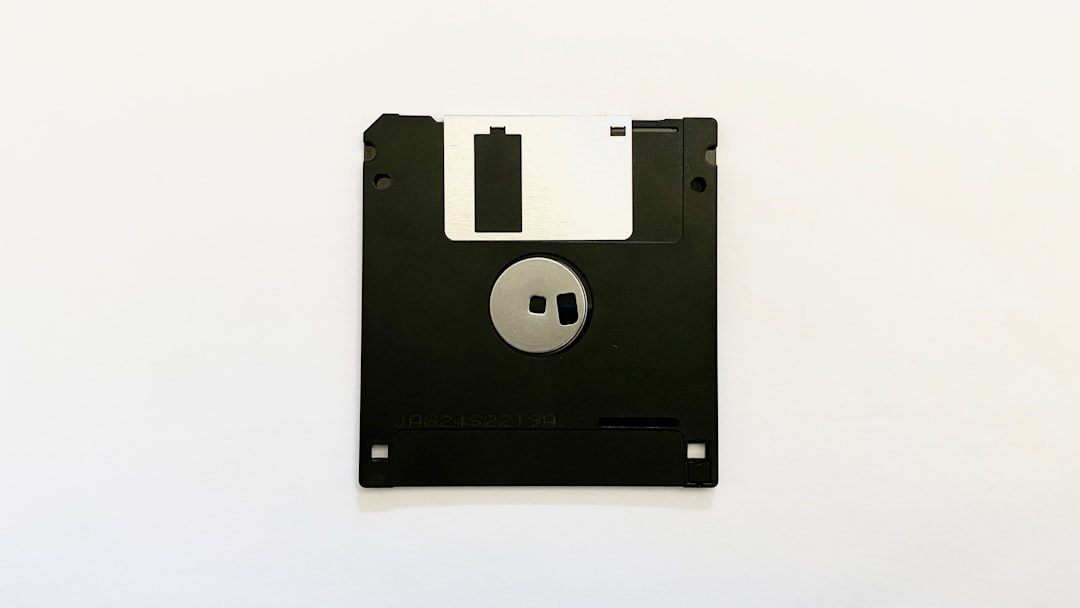
As graphical user interfaces (GUIs) evolved in the 1980s and 1990s, the idea of using metaphors from the physical world became a popular design trend. File cabinets represented storage, trash bins indicated deletion, and the floppy disk became the universal representative of saving a file.
Why a floppy disk? Simple—it was what people actually used to save their files. Early Macintosh, Windows, and other GUI systems incorporated the floppy disk icon to visually indicate “saving.” The association was immediate and intuitive. Even as floppy disks were being phased out, the symbol remained embedded in the digital language of interaction.
Skeuomorphism’s Golden Age—and Decline
Heavy skeuomorphic design became a staple of early GUIs and mobile operating systems. Apple, in particular, popularized this style with interfaces that mimicked real-world objects closely. Some famous examples include:
- iBooks with wooden bookshelf graphics
- iCal calendar that resembled a physical leather-bound planner
- Calculator apps that looked like actual devices
But this trend didn’t last forever. With the rise of flat design and material design philosophies in the 2010s, UI shifted toward minimalist, abstract forms. This was partly due to:
- Performance Needs: Realistic textures and high-resolution graphics demanded more GPU power.
- Clean Aesthetics: Flat and minimal design came off as more modern and professional.
- User Familiarity: As users became more digitally literate, they no longer needed real-world metaphors to understand interfaces.
Why Does the Floppy Disk Persist?
Despite the death of physical floppies and the decline of skeuomorphism, the save icon continues to feature a floppy disk. Why? Here are a few reasons:
1. Visual Legacy
The floppy disk icon is deeply ingrained in digital literacy. Removing or replacing it would require re-educating generations of users. It’s a case of “if it works, don’t fix it.”
2. Universal Recognition
No matter the language, the floppy disk icon has become a near-universal symbol for “saving.” It transcends textual or semantic barriers.
3. Lack of Alternatives
What would replacing it look like? A cloud? An arrow? These don’t necessarily convey the permanence or control that “saving” implies. So far, no alternative has captured the same clarity.

Generational Perception Shift
There’s an interesting twist. Many younger users have never even used a floppy disk—some don’t even recognize it. Yet they associate the icon with saving because that’s how they first encountered it. In this sense, the icon has evolved into an ideogram, divorced from its original meaning but still functional in its symbolism.
This phenomenon underscores how skeuomorphic designs can transcend their physical origins to become accepted as standalone symbols in the digital lexicon.
Contemporary Uses & Redesigns
In recent years, some designers and projects have experimented with replacing or rethinking the save icon. Alternatives include:
- Cloud icons for auto-syncing applications
- Generic file icons with downward arrows
- Using the word “Save” instead of an icon
However, these changes often meet friction—either from users confused by the shift or from teams unwilling to abandon such a familiar paradigm. Tools like Microsoft Word and Google Docs still retain versions of the floppy disk icon, albeit in modernized styles.
The Irony of Immutable Icons in Dynamic Interfaces
Ironically, in an industry obsessed with innovation and progress, the floppy disk icon remains one of the few constants. It’s a static relic perched atop dynamically evolving software systems. This underscores a fascinating conflict in design:
Design must evolve with technology, yet remain accessible and intuitive to users with varying levels of digital fluency.
The floppy disk save icon is a rare case where historical design and user experience have achieved a stable equilibrium.
The Future: Evolving Paradigms of Saving
As more applications shift to auto-saving workflows—Google Docs being a prime example—the concept of manually saving files is itself becoming outdated. So what will happen to the floppy disk icon?
Designers speculate that in the future, the icon may be deprecated or become a symbol for manual backup rather than saving. Still, we may find that some icons become semantic fossils—preserved in digital amber—not because they’re the best option, but because we’ve all agreed on their meaning.
Conclusion: The Power of Familiarity
The floppy disk save icon exemplifies the intricate balance between innovation and familiarity in interface design. Skeuomorphism served as a functional bridge, helping users transition from the physical to the digital world. Even as design philosophies evolved toward minimalism and abstraction, some elements, like the floppy disk, have proved too iconic to fade.
Understanding this enduring symbol invites us to appreciate the nuance of digital design—not just as a technical challenge but as a study in culture, memory, and user behavior. So next time you hit that little floppy disk to save your work, take a moment to thank a relic of the past that still serves a vital purpose in the present.