
Did you know your iPhone or Android could be target number one for scammers? Yup, the FBI is raising the red flag. Bad actors are cooking up sneaky new tricks to steal your info, money, and peace of mind. And they’re using your favorite device to do it.
Contents
TL;DR:
Scammers are getting smarter, and the FBI wants iPhone and Android users to stay alert. A mix of fake apps, phishing texts, and deepfake calls are being used to fool people. These scams can drain your bank account or steal personal info before you even notice. But don’t worry—we’ll show you how to dodge them!
New Tricks from Old Crooks
Scammers used to rely on email spam and sketchy phone calls. But now? They’re going high-tech. Criminals are getting creative and sneaky—with help from AI and tons of personal info found online.
Let’s walk through what these new scams look like and how you can avoid becoming a victim.
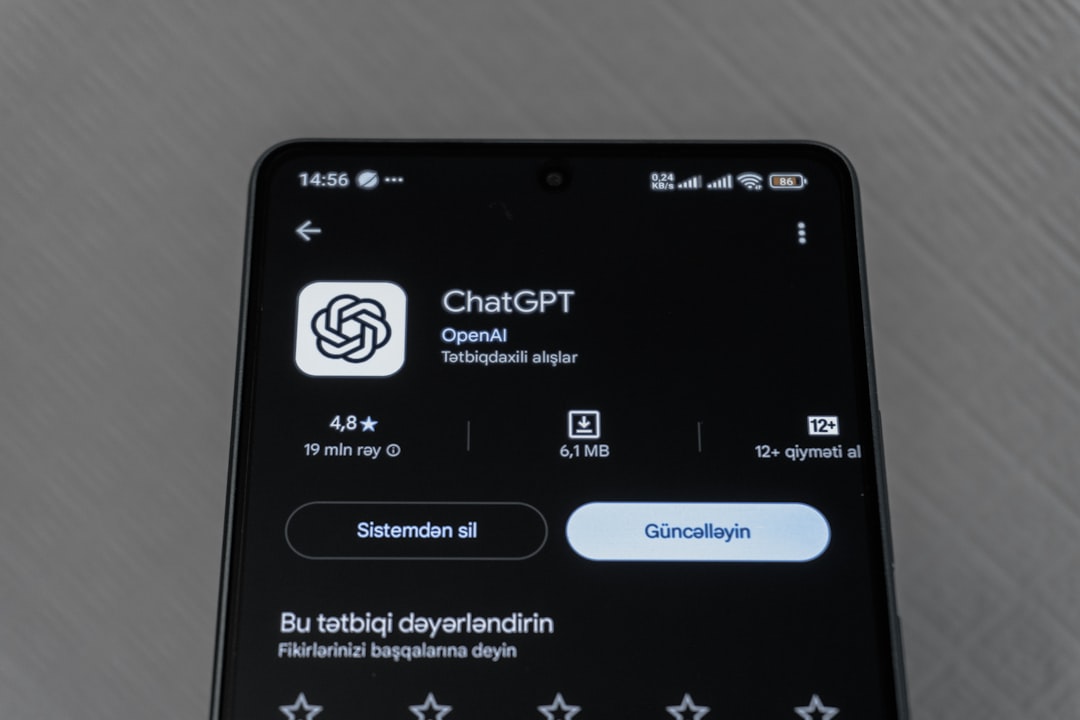
1. App Store Impostors
Imagine downloading a cool-looking app. It promises free movies, photo filters, or even cash back. But surprise—it’s fake! These fake apps often look and feel real. But deep inside, they’re designed to collect your passwords or install spyware.
The FBI warns users to double-check before downloading any new app. Why? Because even the Apple App Store and the Google Play Store aren’t 100% scam-proof.
- Check the developer’s name. A real app will usually be made by a known company.
- Look at reviews. Are they full of grammar mistakes or ultra-generic phrases like “best app ever”?
- Avoid apps with very few downloads. New scams spread fast—so don’t be an early victim.
2. Phishy Text Messages
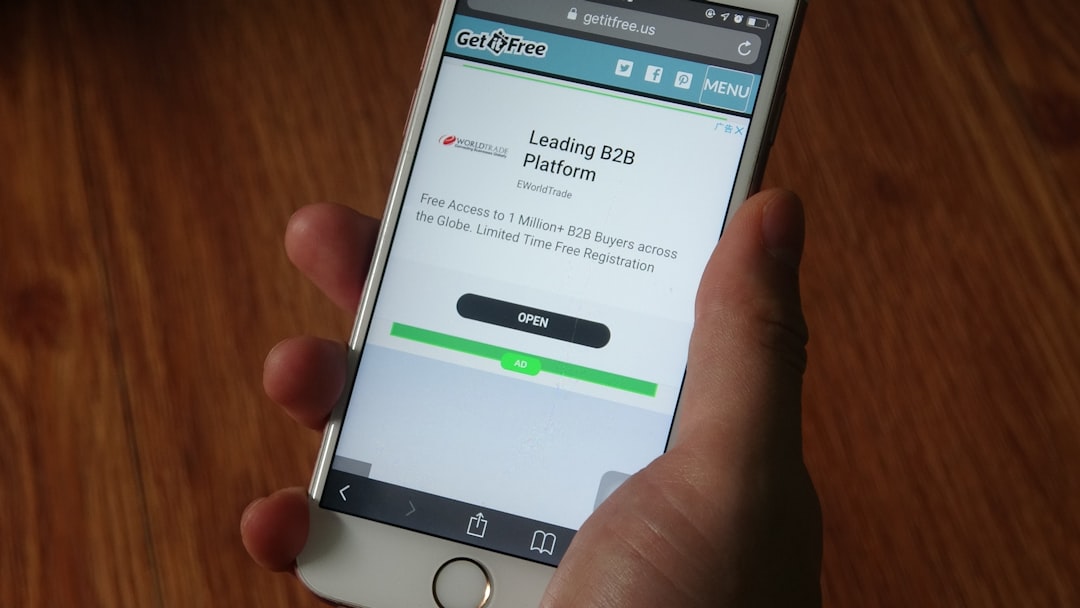
Here’s another biggie—phishing by text, aka “smishing.” You might get a message like, “URGENT: Your package is held! Click the link to claim.” Or it looks like it’s from your bank, asking you to verify your account.
The FBI says these messages are getting hard to spot. Why? Because the scammers use your name, your city, and even the stores you shop at—info they can find online easily.
Click that sketchy link and boom—you could be giving away your bank logins or allowing malware into your phone.
Red Flags to Watch For:
- Messages with scary warnings: “Your account will be locked!”
- Random prize alerts or gift card offers
- Links with weird spellings like “amaz0n.com”
Rule of thumb: Don’t trust a text you didn’t expect. If in doubt, call the company directly—using their real phone number from their official website, not the one in the message.
3. Deepfake (Fake Voice) Phone Calls
This one’s next-level spooky. There are now scammers using fake voices—yes, AI-generated deepfakes—pretending to be your family or even your boss. The FBI reports cases where people got a call from someone who sounded exactly like a loved one… asking for emergency money.
And guess what? It wasn’t really them.
With just a short voice clip found online (from a TikTok or podcast, for example), scammers can build a ghostly copy of someone’s voice. Then they call… and con.
What can you do?
- Create a secret “safe word” with family or close friends that only you know.
- Never send money based on a panicked phone call, no matter how real it sounds.
- Hang up and call the person back using the number saved in your contacts.

4. QR Code Trickery
QR codes are everywhere—in restaurants, ads, and even stickers on street signs. But scammers are now placing fake QR codes around public places. Scan one of these and it could lead you to a bogus website that steals your details or installs malware.
These “QRishing” scams work because we’re used to blindly trusting QR codes. It feels high-tech and safe. But it’s not always.
Better Safe Than Scammed
- Don’t scan random QR codes from flyers or posters.
- Be extra careful if a code asks you to enter passwords or download something.
- Use your phone’s built-in scanner—it sometimes can detect sketchy links.
How Scammers Make It Look Real
These scams work so well because they look and feel authentic. Here’s how they trick us:
- Fake websites that look just like the real ones (like banks or delivery services).
- Social engineering, using your personal info to gain your trust.
- FOMO or fear: “Act now or lose your money!”
And with AI improving fast, scams are only going to get better at fooling us—unless we stay one step ahead.
What the FBI Recommends
The FBI says that awareness is your first superpower. Here’s what they suggest you do right now:
- Update your phone and apps. Patches fix security holes scammers use.
- Turn on two-factor authentication (2FA). That second code could save your account.
- Use strong, unique passwords—not “123456” or “password1.”
- Be skeptical. If something seems a little off, trust your gut.
- Report scams to the FBI at ic3.gov. Your report helps others, too!
I’m Already Scammed! Now What?
Don’t panic—but act fast.
- Change any affected passwords immediately.
- Call your bank if you sent money or shared account info.
- If you installed a sketchy app, delete it and do a virus scan.
- Report the scam to the FBI’s Internet Crime Center.
The quicker you respond, the more you can limit the damage.
Bottom Line
Scamming has gone digital—and smarter. From fake apps to fake voices, criminals are more clever than ever. But luckily, a little caution and common sense go a long way.
Remember:
- Think before you click.
- Only trust apps and sites from verified sources.
- And when something feels off… it probably is.
Now go share this with your friends and family. Because when it comes to scams, knowledge isn’t just power—it’s protection.