
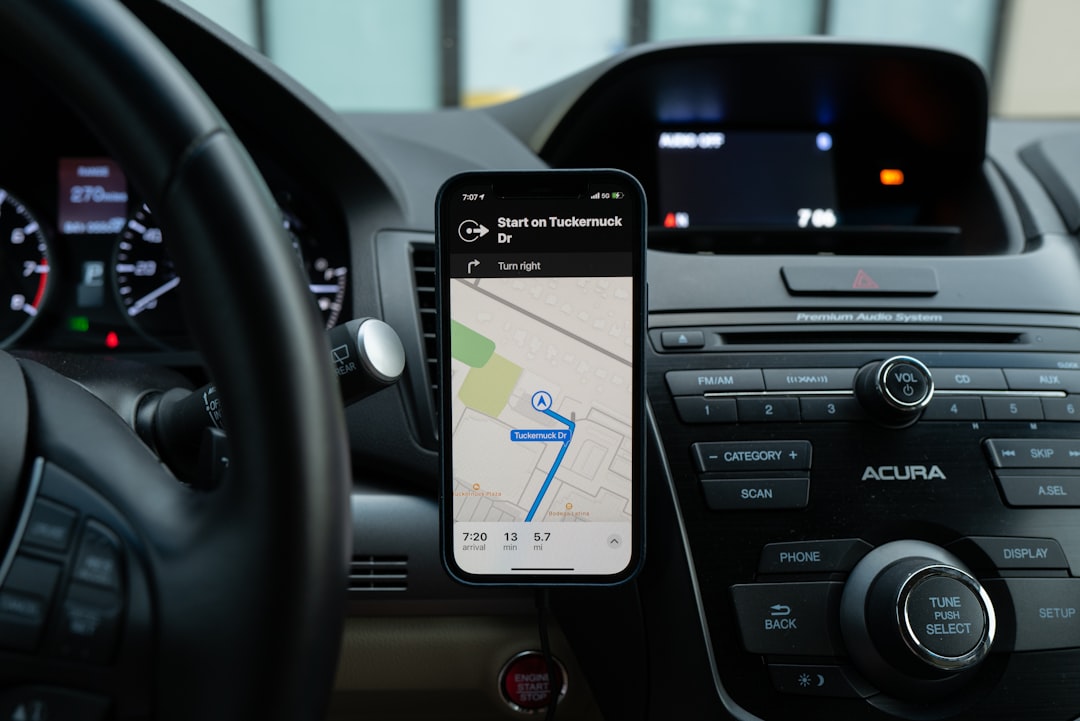
The modern automobile is no longer just a machine of mechanical precision; it is a digitally connected ecosystem on wheels. Platforms like MyBMW are transforming how drivers interact with their vehicles, shifting from occasional physical control to continuous digital engagement. Through smartphones, cloud connectivity, and real-time data exchange, connected car platforms are redefining convenience, safety, and personalization in ways that would have seemed futuristic just a decade ago.
TL;DR: Connected car platforms like MyBMW allow drivers to remotely monitor, control, and personalize their vehicles through smartphone apps and cloud-based systems. They enhance convenience with features such as remote locking, climate control, and service scheduling while improving safety and diagnostics. By integrating navigation, entertainment, and vehicle data into one ecosystem, these platforms create a seamless and intelligent driving experience. As connectivity evolves, they are becoming central to the future of mobility.
Contents
The Evolution of Connected Driving
Connected car technology began with basic telematics systems that offered emergency assistance and limited diagnostics. Today, platforms such as MyBMW integrate real-time vehicle data, cloud services, smartphone synchronization, and over-the-air (OTA) updates into one unified interface.
This evolution reflects two major technological shifts:
- Smartphone integration that allows drivers to control and monitor their cars remotely.
- Cloud-based services that enable constant communication between vehicle, manufacturer, and user.
With MyBMW, the vehicle is no longer isolated. It becomes part of a broader digital lifestyle, connected to calendars, smart home systems, navigation preferences, and even wearable devices.
Core Features of Platforms Like MyBMW
At the heart of connected platforms are tools designed to simplify ownership and enhance the driving experience. These features generally fall into several categories:
1. Remote Access and Control
One of the most practical aspects of MyBMW is the ability to manage your car from anywhere using a smartphone app.
- Remote lock and unlock
- Activate climate control before entering the vehicle
- Flash headlights or sound horn to locate parked car
- Check fuel level or battery range
Imagine leaving a winter event and warming your car before stepping outside, or confirming that your doors are locked while sitting in an airport miles away. These small conveniences create a significant improvement in everyday life.
2. Real-Time Vehicle Monitoring
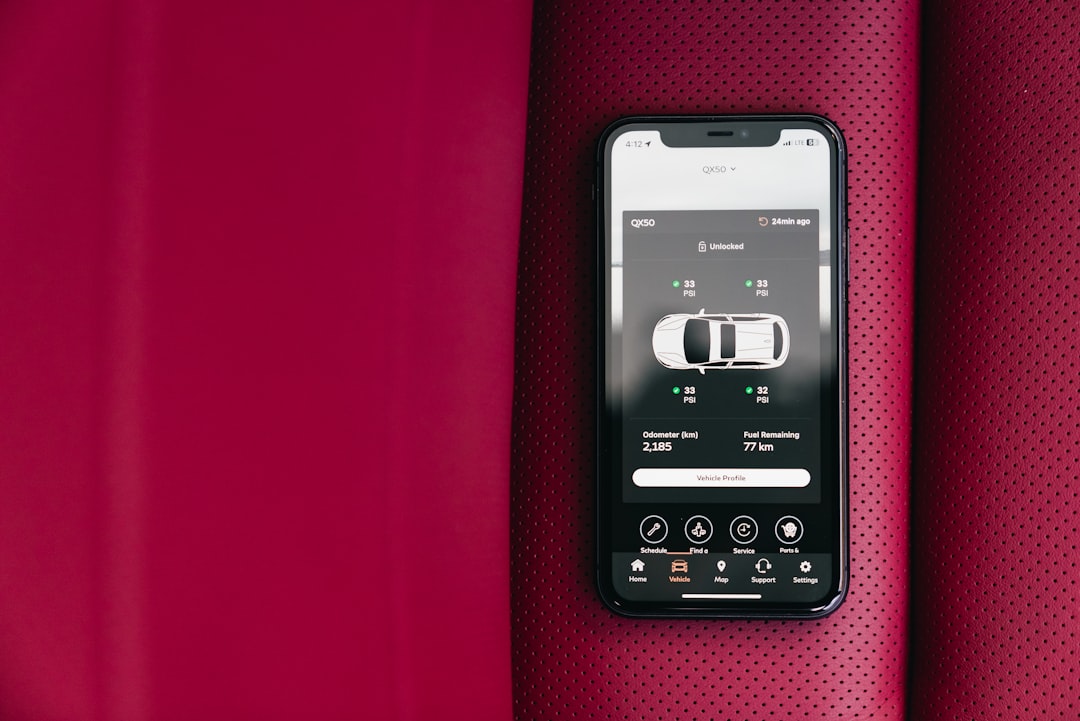
Connected platforms provide constant insight into a vehicle’s health and performance. Drivers can quickly check:
- Tire pressure status
- Engine condition alerts
- Service requirements
- Fuel or charging levels
Rather than waiting for a dashboard warning light to escalate into a larger issue, users can proactively schedule service appointments directly through the app. This enhances both safety and long-term vehicle reliability.
Integrated navigation systems now communicate dynamically with external data sources. MyBMW, for example, can send destinations from a smartphone directly to the car’s navigation system. Routes adjust in real time based on traffic conditions, construction, and even charging station availability for electric vehicles.
For electric models, route planning includes:
- Battery range prediction
- Charging station recommendations
- Estimated charging times
- Energy-efficient driving suggestions
This level of intelligence reduces range anxiety and makes electric mobility more practical for everyday driving.
Personalization and Digital Profiles
Modern drivers expect personalization similar to what they experience with streaming services or smartphones. Connected car platforms deliver exactly that.
Through digital driver profiles, users can store:
- Seat and mirror positions
- Climate preferences
- Navigation history
- Favorite radio stations and playlists
- Driving mode settings
When a driver logs in—via smartphone, digital key, or in-vehicle profile—the car instantly adapts to their preferences. In households with multiple drivers, this eliminates the need for repeated manual adjustments.
Some platforms even integrate with voice assistants, allowing users to check vehicle status using voice commands from home devices.
Digital Keys and Access Sharing
One of the most innovative developments in connected vehicle management is the digital key. Instead of carrying a traditional key fob, drivers can use their smartphone or smartwatch to unlock and start their vehicle.
Even more compelling is the ability to share access digitally. For example:
- Grant temporary access to family members
- Provide limited driving permissions to new drivers
- Enable controlled vehicle access for valet services
Permissions can include speed restrictions or time limits, adding an additional layer of security and oversight.
Over-the-Air Updates and Continuous Improvement
Traditionally, improving vehicle software required visiting a dealership. Connected platforms have changed that through over-the-air updates.
These updates can:
- Enhance performance algorithms
- Improve infotainment systems
- Add new features
- Fix security vulnerabilities
In essence, the vehicle grows smarter and more capable over time. This software-centric approach mirrors the smartphone industry, where devices evolve long after purchase.
For manufacturers, this ensures vehicles remain competitive. For owners, it provides ongoing value without additional hardware changes.
Safety and Emergency Support
Safety is one of the most critical advantages of connected platforms. MyBMW and similar systems integrate emergency communication services that can:
- Automatically notify emergency responders after a collision
- Share vehicle location in real time
- Connect drivers to roadside assistance
In high-stress situations, automated response can significantly reduce emergency response times and potentially save lives.
Additionally, stolen vehicle tracking features allow owners and authorities to locate a vehicle more effectively.
Data Security and Privacy Considerations
With increased connectivity comes increased concern over data privacy. Connected car platforms collect various forms of data, including location history, driving behavior, and vehicle diagnostics.
Manufacturers address these concerns by implementing:
- Encrypted communications
- Secure cloud storage
- User-controlled privacy settings
- Multi-factor authentication for account access
Still, users should remain informed and regularly review app permissions and account security practices. Transparency and regulatory compliance play a critical role in maintaining consumer trust.
Integration With the Broader Mobility Ecosystem
Connected car platforms are not standalone tools—they are part of a broader mobility strategy. Increasingly, they integrate with:
- Public charging networks
- Parking reservation systems
- Smart home ecosystems
- Fleet management tools
In corporate or fleet environments, connected management allows businesses to monitor vehicle usage, optimize routes, reduce fuel consumption, and schedule proactive maintenance.

In smart cities, vehicles may eventually communicate with traffic signals, road infrastructure, and other cars to reduce congestion and improve safety.
The Electric Vehicle Connection
Electrical mobility and connected platforms are deeply intertwined. Electric vehicles (EVs) depend heavily on software and connectivity for optimal operation. Through MyBMW and similar systems, EV owners can:
- Monitor charging progress remotely
- Schedule charging during off-peak hours
- Precondition the battery for efficiency
- Analyze driving efficiency statistics
This digital transparency simplifies EV ownership and supports sustainability goals by optimizing charging and energy consumption.
Challenges and Limitations
Despite their advantages, connected platforms are not without limitations.
- Dependence on connectivity: Poor network coverage may limit functionality.
- Subscription models: Some advanced services require ongoing fees.
- Learning curve: Users unfamiliar with digital ecosystems may feel overwhelmed.
Manufacturers must balance innovation with ease of use to ensure widespread adoption across diverse customer demographics.
The Future of Connected Vehicle Management
Looking ahead, connected car platforms will likely become central hubs for autonomous driving features, AI-driven personalization, and predictive maintenance powered by machine learning.
Future developments may include:
- Advanced driver behavior analytics
- Integration with insurance models based on usage data
- Enhanced vehicle-to-vehicle communication
- Fully digital ownership ecosystems
As cars continue evolving into software-defined machines, connected platforms like MyBMW will not be optional add-ons but foundational components.
Conclusion
Connected car platforms like MyBMW represent a pivotal shift in how we manage and experience our vehicles. They blend hardware, software, and cloud intelligence to offer remote convenience, enhanced safety, personalization, and continuous improvement. By transforming vehicles into connected digital environments, these systems redefine ownership in the 21st century.
What once required physical presence and manual intervention can now be handled with a few taps on a smartphone. As technology advances, the integration between driver, vehicle, and the broader digital world will only deepen—turning the connected car from an innovation into an everyday expectation.