

In the rapidly evolving landscape of urban life, a new vision has begun to take shape—one that prioritizes sustainability, innovation, and human-centered design. This vision has a name: Axurbain. More than just a concept, Axurbain represents a shift in how cities are designed, experienced, and sustained. It’s a living, breathing framework for a better urban future.
Contents
TLDR
Axurbain is a forward-thinking model for urban living that emphasizes innovation, sustainability, and lifestyle enhancement. It proposes smarter infrastructure, greener spaces, and technology-integrated communities. From smart homes to AI-powered traffic systems, Axurbain aims to create cities that are more livable, efficient, and inclusive. At its core, it reimagines urban life through a people-first approach and modern solutions.
What Is Axurbain?
The term Axurbain blends the ideas of axis, urban, and equilibrium. It signifies the balance between advanced technologies and a human-centric lifestyle within modern cities. Unlike traditional urban planning, Axurbain focuses on integrating multiple aspects of daily life—such as work, health, mobility, and leisure—through intelligent, responsive design. It is not a single city or product but a template that urban centers can adopt to enhance the quality of life for their residents.
Key Pillars of Axurbain
The Axurbain model is founded on several essential pillars that make urban centers more adaptive, enjoyable, and sustainable:
- Smart Infrastructure: Sensors, Internet of Things (IoT), and AI systems that manage traffic, waste, energy, and water intelligently.
- Eco-Innovation: Vertical gardens, green roofs, renewable energy grids, and smart climate control.
- Integrated Mobility: Shared electric vehicles, autonomous transport, and ultra-efficient public transit.
- Community Wellness: Focus on mental and physical well-being, with abundant green spaces, noise-reduction design, and inclusive services.
- Digital Lifestyles: Seamless digital experiences for everything from work to play, underpinned by high-speed connectivity.
Smart Infrastructure: The Nerve System of Axurbain
One of the most profound differences in Axurbain-inspired cities is the deep integration of smart infrastructure. Imagine real-time traffic signals that adapt not only to congestion but also to air quality levels, or buildings that reduce energy usage by 30-50% due to AI-powered climate control systems. At the core of this is data—collected, analyzed, and acted upon to enhance livability and efficiency.
Examples include buildings that self-regulate lighting and HVAC based on occupancy levels and weather patterns, or sidewalks embedded with sensors that report maintenance issues automatically.
Green Living in the Urban Core
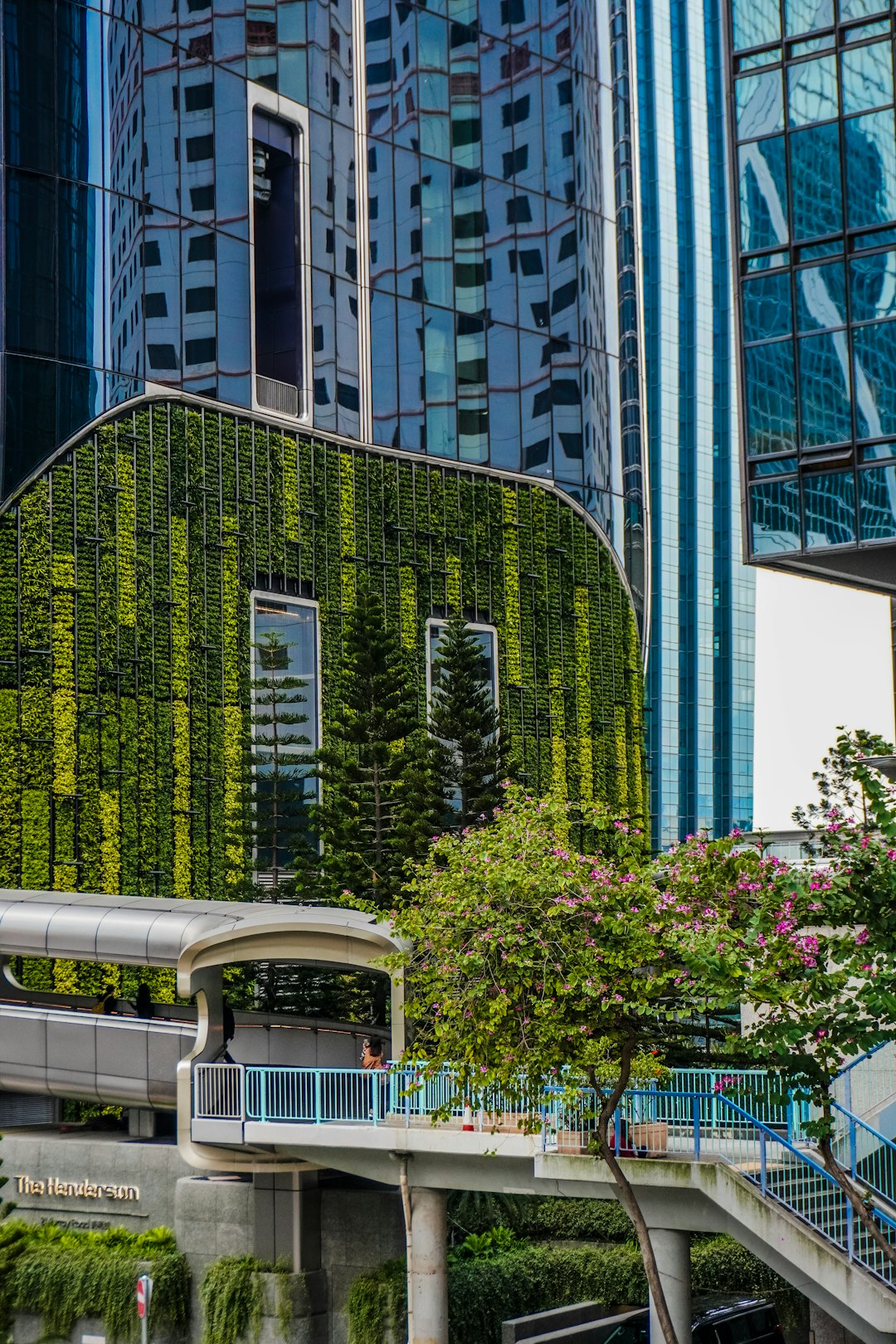
Axurbain proposes the concept of “vertical sustainability”—the idea that green living doesn’t have to spread horizontally across land but can rise with the skyline. Rooftop farms, solar façades, and biophilic architecture are seamlessly woven into the urban matrix. Instead of isolated parks, green spaces are distributed across different levels of buildings and public infrastructures.
What’s compelling is how sustainability is embedded in the lifestyle choices available to residents. From composting facilities in every apartment complex to zero-emissions transportation corridors, Axurbain intends for sustainability to be the default, not the exception.

Mobility of the Future
In Axurbain cities, getting from A to B is less about owning a car and more about accessing a network of smart mobility options. Hyperloop pods, self-driving electric shuttles, drone taxis—these are not elements from a science fiction novel but real advancements being explored today. Mobility is approached through the lens of convenience, carbon impact, and community.
Consider a unified app that combines all available transportation modes—buses, e-bikes, autonomous taxis—into a single subscription-based model. Routes are optimized by AI, reducing transit times, alleviating congestion, and slashing emissions. Axurbain goes further by ensuring these options are accessible across income groups, promoting equity in movement.
Digitally Augmented Lifestyles
Axurbain also reshapes how we interact with work and the digital world. With the rise of hybrid work and digital nomadism, entire districts can be designed as “productivity hubs”—where living spaces, co-working zones, and wellness facilities sit within walkable proximity. Augmented reality (AR) and virtual reality (VR) also play a role, enabling immersive learning, remote collaboration, and even telemedicine.
Residents benefit from personalized digital dashboards that track their energy consumption, health metrics, and neighborhood updates. Smart homes sync with city systems to optimize power usage based on peak demand forecasts or scheduled public events. It’s urban life, *digitally choreographed* for better outcomes.
A Lifestyle-Centric Philosophy
What truly sets Axurbain apart is its design philosophy. It doesn’t just ask, “What technologies can we install?” but rather, “How do people really want to live?” To that end, Axurbain involves people at every stage of design—through participatory planning, data feedback loops, and responsive governance.
The architecture is not just about form and function—it’s about emotion. Streets are quieter and safer, public art is interactive, and neighborhoods have a unique identity woven from the cultural fabric of their communities. The aim is to build connection—not only to the environment but among people.
Challenges and Considerations
Of course, Axurbain is not without its challenges:
- Data Privacy: With so much information flowing through city systems, data protection and ethical usage become paramount.
- Investment Costs: Upgrading entire cities to be Axurbain-compatible demands significant capital and political will.
- Digital Divide: Ensuring equitable access to technology is crucial to avoid further social stratification.
Despite these challenges, a growing number of pilot cities are experimenting with the Axurbain model through micro-communities or innovation hubs, using lessons learned to scale up intelligently.
Global Examples and Pilot Projects
Some real-world urban centers are embodying aspects of Axurbain already:
- Singapore: Integrating sensor-based traffic systems, smart housing, and vertical farming.
- Amsterdam: Emphasizing the circular economy and community-driven smart living.
- Toronto’s Quayside: (though revised) demonstrated high ambitions for AI-driven urban design and sustainability.
These examples highlight how Axurbain isn’t a one-size-fits-all solution, but rather a flexible blueprint adaptable to various cultures, geographies, and economic realities.
The Road Ahead
The Axurbain model presents a compelling future for urban living—one where cities are not only functional hubs but also harmonious ecosystems. As cities face increasing pressure from climate change, population growth, and shifting work patterns, adopting the Axurbain approach could be key to future resilience and vibrancy.
It’s not just about having brighter lighting or faster internet. It’s about designing cities that breathe, learn, and evolve alongside the people who inhabit them. Through collaboration across governments, private sectors, and citizens, Axurbain could well be the catalyst that transforms urban areas from chaotic centers into thriving communities fit for the 21st century and beyond.
Conclusion
Axurbain stands at the crossroads of possibility and necessity. As urban populations swell and the strain on resources mounts, we will need infrastructure that is both intelligent and empathetic, capable of responding to human needs as dynamically as it responds to data. With its blend of innovation, sustainability, and lifestyle strategy, Axurbain offers a hopeful, actionable vision for the future of our cities.