
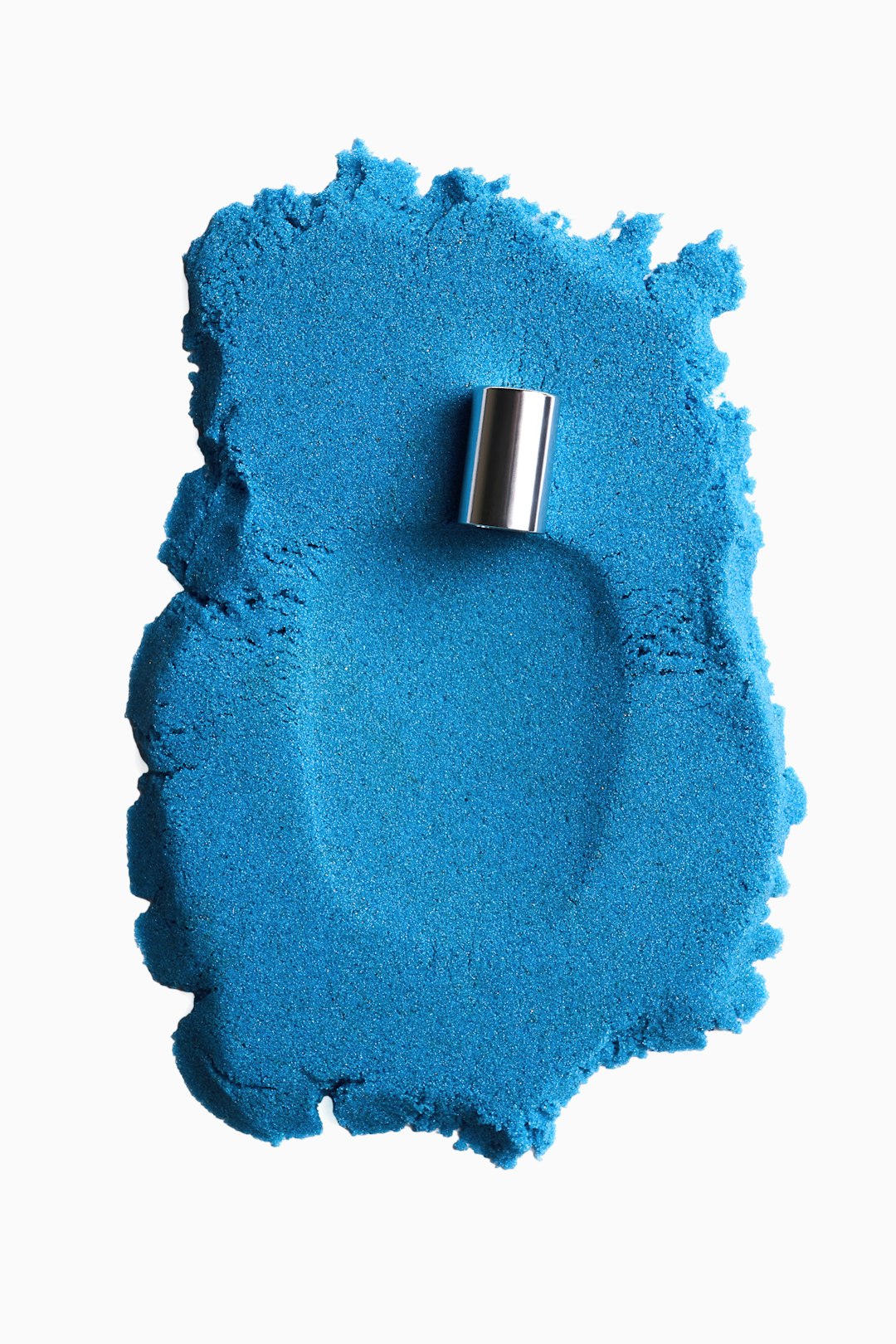
There’s a color that artists swoon over — a blue so intense, it almost hums with energy. Meet Phthalo Blue, a paint that can make your skies pop, oceans glow, and shadows dance. Whether you’re painting a calm lake or a bold abstract, Phthalo Blue is your all-star player.
Contents
TLDR: Too Long, Didn’t Read
Phthalo Blue is a rich, strong blue pigment loved by artists for its intensity and versatility. It’s great for mixing, layering, and creating vibrant scenes. It plays well with others but can be super powerful, so use it sparingly at first. Think of it as the espresso of the color world — small amounts pack a punch!
What Is Phthalo Blue?
Phthalo (pronounced thay-lo) Blue is a synthetic pigment that was first made in the 1930s. It’s got a fancy chemical name (phthalocyanine), but don’t let that scare you. All you need to know is this:
- It’s super bright
- It’s highly pigmented — so a little goes a long way
- It’s lightfast — meaning it won’t fade over time
- It’s transparent — great for glazes
This beautiful blue comes in two versions:
- Phthalo Blue (Green Shade): Has a cool, almost teal undertone. Great for mixing vibrant, clean colors.
- Phthalo Blue (Red Shade): Slightly warmer. Closer to a cobalt blue in character.
No matter which version you use, Phthalo Blue makes a big impact.

Color Meaning: What Does Phthalo Blue Say?
Colors have moods. If you’re wondering what Phthalo Blue “feels” like, here’s a quick breakdown.
- Peaceful: Blue is calming — it’s the color of the sky and sea.
- Bold: Phthalo Blue is way more vivid than your average blue. It speaks up. It wants attention.
- Depth: Because of its transparency, you can layer it to create depth, mystery, and rich emotion.
It’s a color that says “I’ve got this!” but also “Let’s chill.”
How Does It Mix With Other Colors?
One of the greatest reasons artists love Phthalo Blue is because it’s a mixing champ. But be warned: it’s strong! Start with tiny amounts and build up.
Mixing Magic: What It Makes
- Phthalo Blue + White = Sky blues. Bring on the beach vibes.
- Phthalo Blue + Cadmium Yellow = Bold, grassy greens.
- Phthalo Blue + Lemon Yellow = Bright turquoise and emerald tones.
- Phthalo Blue + Alizarin Crimson = Mysterious purples and deep burgundies.
- Phthalo Blue + Burnt Sienna = Muted shadows and earthy tones.
- Phthalo Blue + Orange/Red = Powerful grays and stormy tones.
See? There’s a lot going on behind that pretty blue face.

Best Friends Forever: Colors It Loves
Some colors just get along. Phthalo Blue pairs well with:
- Lemon Yellow – for electric greens
- Magenta – for funky purples and rich violets
- Burnt Umber – for softened browns and moody skies
Want to tone it down? Add a tiny bit of orange or red-orange. Toning is key when you’re going for realism in skies or water.
When and Where to Use It
Phthalo Blue works great in:
- Landscapes: Mix skies, lakes, and distant mountains.
- Abstracts: Let its bold energy shine solo or in dramatic blends.
- Portraits: Add subtle blue undertones to shadows for lifelike dimension.
It’s especially lovely for watercolor artists. The transparent shine of this pigment is stunning when laid gently across paper.
Tips For Using Phthalo Blue
1. Don’t Overdo It
Seriously. This color is super concentrated. Start small and build up. Otherwise, it can dominate your whole painting.
2. Test It First
Swatch it next to other colors before adding it to your palette. Tiny touches can completely change the mix.
3. Use It In Glazes
Because it’s transparent, it layers beautifully. Add depth by glazing over dried paint with thinned-out Phthalo Blue.
4. Clean Your Brush!
Even a little leftover can tint everything. Wash those bristles thoroughly between colors.
A Quick Comparison: Phthalo Blue vs Other Blues
| Blue Color | Warm or Cool? | Opacity | Mixing Strength |
|---|---|---|---|
| Phthalo Blue | Cool | Transparent | High |
| Ultramarine Blue | Warm | Semi-transparent | Medium |
| Cobalt Blue | Slightly cool | Opaque | Low |
Phthalo Blue beats them all for vividness and power — but with great strength comes great responsibility!
Fun Fact: The Secret Behind Its Name
Phthalo comes from “phthalocyanine,” a chemical word that sounds intimidating but really just describes the blue’s structure. The name might be long, but the color? Immediately lovable.
In Summary
Phthalo Blue is a rock star in the art world. It’s bold, high-energy, and super mixable. Great for mixing greens, purples, ocean tones, and dramatic shadows. Whether you’re a beginner or pro, this blue belongs in your toolbox.
Image not found in postmetaGo Try It!
Got a blank canvas nearby? Grab your Phthalo Blue and see where it takes you. Mix it. Layer it. Let it surprise you. Happy painting!