
Throughout the Marvel Cinematic Universe (MCU), few characters have sparked as much debate and deep analysis as Thanos, the infamous Mad Titan. His decision to eliminate half of all life across the universe was more than an act of cruelty—it stemmed from what he believed was a noble cause. Audiences were simultaneously horrified and fascinated by his motivations, particularly because they contained elements of logic, however twisted.
TL;DR: Thanos believed that the universe was overpopulated and that its resources were finite. He thought that by eliminating half of all living beings, he could restore balance and prevent overconsumption and mass suffering. His genocidal plan was rooted in utilitarian thinking, which made his character more complex than a stereotypical villain. His experiences on his home planet, Titan, shaped much of his ideology and purpose.
Contents
Thanos: A Villain with a Purpose
In most narratives, the villain’s motivations are clear-cut—power, revenge, or sheer chaos. But Thanos was different. He saw himself as a savior, someone burdened with enacting the hard decisions that no one else dared to make. This made his philosophy both compelling and chilling.
Rather than seeking control purely for selfish gain, Thanos’s goal was to ensure the survival of life across the cosmos. He wasn’t seeking power for its own sake; he believed he was the only one strong enough to make the sacrifice necessary to ensure universal sustainability. This set him apart from the typical villains of superhero lore.
The Titan Tragedy: Origins of Thanos’s Belief
To understand Thanos, one must look at the tragedy of his home planet, Titan. Once a thriving world, Titan fell into ruin due to overpopulation and the depletion of resources. Thanos, a native of the planet, proposed a drastic solution: randomly eliminate half the population. His plan was met with revulsion and ultimately rejected. In time, the worst came to pass—Titan collapsed into chaos and decay.
From Thanos’s perspective, his was a solution rooted in logic and brutal necessity. The rejection of his proposal, followed by the downfall of his world, left him convinced that the universe at large needed the same harsh remedy to avoid similar destruction.
Universal Balance: The Core of His Ideology
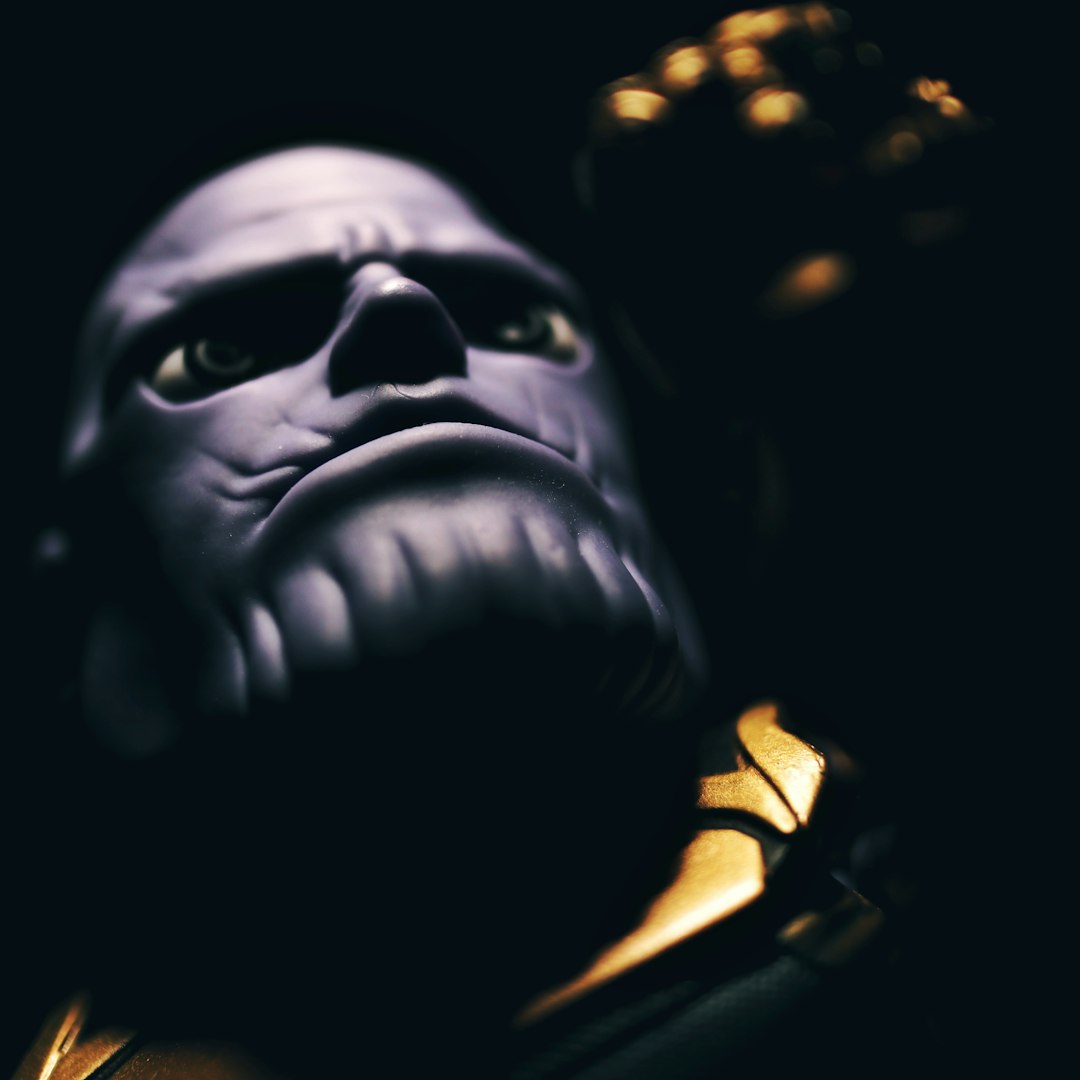
Thanos adopted the concept of “balance” as the linchpin of his ideology. He looked at overpopulation as a universal epidemic, leading to the squandering of finite resources and resulting in poverty, starvation, and suffering. To him, mercy wasn’t letting the universe consume itself—it was taking action to fix it, no matter the cost.
His plan involved acquiring the six Infinity Stones, which would allow him to eliminate half of all life in the universe instantly and painlessly. The goal was not targeted genocide or vengeance against specific races or worlds—it was indiscriminate and, paradoxically, fair in his mind.
- Power Stone: Used to enhance his force and subdue initial resistance.
- Reality Stone: Allowed him to manipulate the physical world as needed.
- Soul Stone: Obtained at great personal cost, showing his willingness to sacrifice.
- Time Stone: Gave him control over temporal flow.
- Mind Stone: Enhanced his mind and allowed him to understand others’ thoughts.
- Space Stone: Enabled him to traverse the galaxy and collect the Stones.
With the Snap—also called the Decimation—Thanos executed his plan. Half of all life vanished, from humans to animals to alien species. For Thanos, this wasn’t cruelty—it was balance executed with divine precision.
Utilitarianism vs. Morality: Was Thanos Right?
Thanos’s philosophy is steeped in a twisted form of utilitarianism, the belief that the morally right action is the one that maximizes good outcomes—in this case, reducing suffering by curbing overpopulation. In his own way, he was trying to prevent future suffering by making the ultimate sacrifice: his reputation, his humanity, and even his own happiness.
But where Thanos’s logic faltered was in his methodology. He never considered alternatives, like resource redistribution or technological advancement. Given the Infinity Stones’ immense power, other solutions—such as creating more resources or improving living conditions—were possible. Instead, he chose the path of mass murder to achieve efficiency.
This singularity of purpose showed both his strength and flaw—his inability to see beyond his own worldview. His logic was airtight in his mind, but fatally flawed in practice.

The Emotional Layers of Thanos
A key factor in what made Thanos such a memorable character was his emotional depth. He wasn’t immune to pain. In fact, his acquisition of the Soul Stone required the sacrifice of someone he loved: his adopted daughter, Gamora.
This moment revealed that Thanos was not cold or psychopathic—he could feel deep love and grief, yet he prioritized his mission above even those closest to him. For the audience, this added a human dimension. He was not a monster by birth, but by conviction.
In Avengers: Infinity War, Thanos is not portrayed as maniacal but solemn. After completing his mission, he doesn’t gloat or launch another conquest; he retires to a distant planet to live in peace, believing his work is done. To him, that was his reward—not power, but peace for all life.
Opposition and Legacy
The Avengers, however, see through the façade. To them, no cause justifies half the universe’s erasure. Their mission in Avengers: Endgame revolves around reversing the damage, which they eventually achieve. This confrontation between ideologies—Thanos’s harsh utilitarianism and the Avengers’ hope-driven morality—creates the emotional and philosophical core of the conflict.
Even after his defeat, Thanos’s legacy lingers. The events post-Snap affect billions of lives, and the MCU explores the ramifications in shows like WandaVision and The Falcon and the Winter Soldier. Entire societies have been reshaped, and the collective trauma remains a powerful theme.
Conclusion: The Mad Titan or Misguided Hero?
Was Thanos truly evil, or was he a misguided hero? The answer largely depends on one’s interpretation of ethics and moral responsibility. His actions may have been motivated by a desire to help the greater good, but his methods inflicted unimaginable pain and suffering. Thanos is a reflection of what happens when pragmatism overrides compassion.
This depth is what made him such a compelling antagonist—the rare villain whose decisions spark debate long after the credits roll. He is a chilling reminder that even the most rational intentions can lead to horrific outcomes when empathy is sacrificed in the name of logic.
As the MCU continues to explore themes of power, balance, and morality, Thanos remains a towering figure—a villain who could believe he was, in every possible way, the hero of his own story.