

Video games have come a long way. From simple pixelated fun to massive cinematic experiences, the journey of AAA games is pretty wild. These top-tier games offer incredible worlds, stories, and action. But how did we get here?
Contents
TL;DR
AAA games are the big-budget blockbusters of the gaming world. They started as small projects and have evolved into massive productions with movie-like quality. Graphics, storytelling, and budgets have grown dramatically. But with that, so have the risks and expectations.
What Does “AAA” Even Mean?
AAA stands for Triple-A. It’s gaming slang for top-quality, big-budget games made by huge studios. Think of them as the Hollywood blockbusters of gaming.
- High Budget: Millions of dollars go into development.
- Big Teams: Hundreds of developers may work for years.
- Polished Experience: Great graphics, strong stories, smooth gameplay.
Some famous examples are Grand Theft Auto V, The Legend of Zelda: Breath of the Wild, and Call of Duty.
The Humble Beginnings
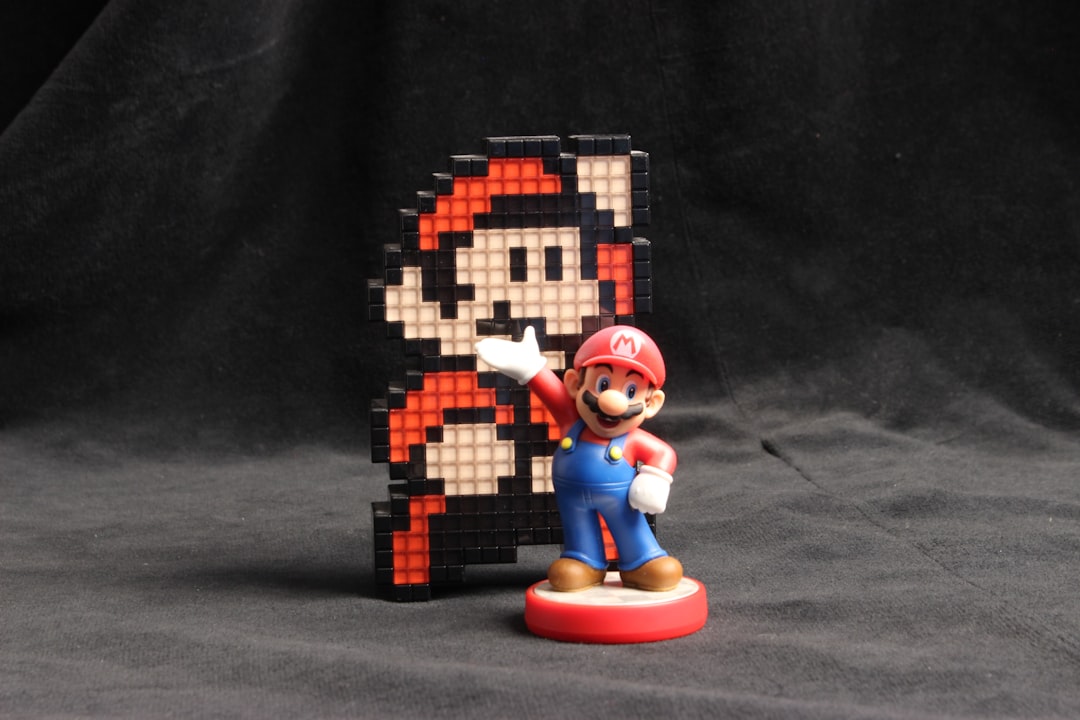
Back in the 1980s and 90s, there wasn’t even a term for AAA games. Studios were much smaller. Games like Super Mario Bros. or The Legend of Zelda were made by teams of fewer than 20 people!
Despite the small teams, these games were groundbreaking. They kicked off what would become a booming industry. The tech was simple, the graphics pixelated, but the fun? Off the charts.
Enter the 2000s: Graphics and Gigabytes
In the early 2000s, game consoles leveled up. The PlayStation 2, Xbox, and GameCube gave developers more power. Better graphics, more memory, and faster processing meant bigger, more detailed games.
This era saw the rise of franchises like:
- Halo – Epic sci-fi shooter with online multiplayer.
- Grand Theft Auto III – Open-world crime drama.
- Final Fantasy X – Cinematic storytelling and voice acting.
The industry started treating games like serious art. Budgets and expectations grew. So did the pressure.
The 2010s: Game or Movie?
By now, some AAA games looked like real life. Studios used motion capture and Hollywood actors. Storylines got deeper. Worlds became massive. You could easily spend 100+ hours in a single game.

Games like The Witcher 3: Wild Hunt became legends. Beautiful visuals, branching story choices, and deep characters made players feel like they were living inside a novel.
Other AAA hits from this time include:
- Red Dead Redemption 2 – A cowboy epic with insane detail.
- God of War (2018) – A personal tale wrapped in mythological action.
- Assassin’s Creed Origins – A historical journey through Ancient Egypt.
Big Money, Big Risks
Creating a AAA game can cost hundreds of millions. For example, it’s estimated that Cyberpunk 2077 cost over $300 million to develop and market.
With so much money on the line, companies get nervous. A flop could mean layoffs or even shutting down a studio. That’s why many AAA titles stick to “safe” ideas: sequels, familiar mechanics, and popular genres.
Live Service Games: Always Online
Recently, many AAA games have switched to the live service model. That means constant updates, online play, and in-game purchases.
Popular examples include:
- Fortnite – A free battle royale with costumes and dance moves.
- Destiny 2 – Online sci-fi shooter with ongoing content.
- Apex Legends – Fast-paced, competitive action.
These games earn money over time instead of just one sale. But players sometimes feel like they have to spend extra just to keep up.
Innovation vs. Tradition
Not all AAA games play it safe. Some studios take bold steps:
- Death Stranding – A game about delivering packages and connecting the world.
- Elden Ring – A tough, mysterious world with innovative multiplayer.
These titles don’t follow trends. They try new things. And when they work, they push the entire industry forward.
Challenges Faced by AAA Studios
The journey isn’t all fun and games. Here are some major challenges AAA developers face:
- Crunch Time: Long hours near deadlines. It can hurt morale and health.
- Bugs and Glitches: Big games have big issues. Launch days are risky!
- High Expectations: Gamers want perfection. That’s a lot of pressure.
Still, these obstacles haven’t stopped the industry from growing every year.
The Future of AAA Games
What comes next? Here are some exciting trends to watch:
- More AI: Smarter enemies and better worlds.
- Virtual Reality (VR): Dive right into the action.
- Cloud Gaming: Play without a console. Just stream it!
And hey, maybe one day you’ll even talk to NPCs using your real voice. That’s not so far-fetched anymore.
Are Indie Games the New AAA?
Here’s a fun twist. Some small studios are making games that feel just as good as AAA ones. With better tools and teamwork, indie titles like Hades and Celeste are earning love and awards.
They don’t throw millions at their projects, but they focus on creativity and passion. Sometimes, that’s all you need.
Conclusion: The Journey Continues
AAA games have changed a lot. From pixel art to ultra-HD graphics. From couch co-op to global multiplayer. It’s been quite the evolution.
Sure, they’re not perfect. The industry has its share of bumps. But every new title brings surprise, wonder, and awesome worlds to explore.
So grab that controller. There’s always another adventure waiting.