

Do you love the ocean? Curious about sea creatures and underwater life? Then becoming a marine biologist might be your dream job! This career combines science, the sea, and a sense of adventure.
Contents
TL;DR Summary
Marine biologists explore and protect life in oceans and seas. The career is rewarding, with plenty of opportunities for research, conservation, and travel. Salaries range from $45,000 to over $100,000 depending on experience and location. It’s perfect for nature lovers who want to make a splash in science.
What Does a Marine Biologist Do?
Marine biologists study animals, plants, and ecosystems in the ocean. Some work with dolphins or sharks. Others look at tiny plankton or algae. It depends on what you love!
- Some research how climate change affects coral reefs
- Others protect endangered marine animals
- They may work on boats, in labs, or even underwater
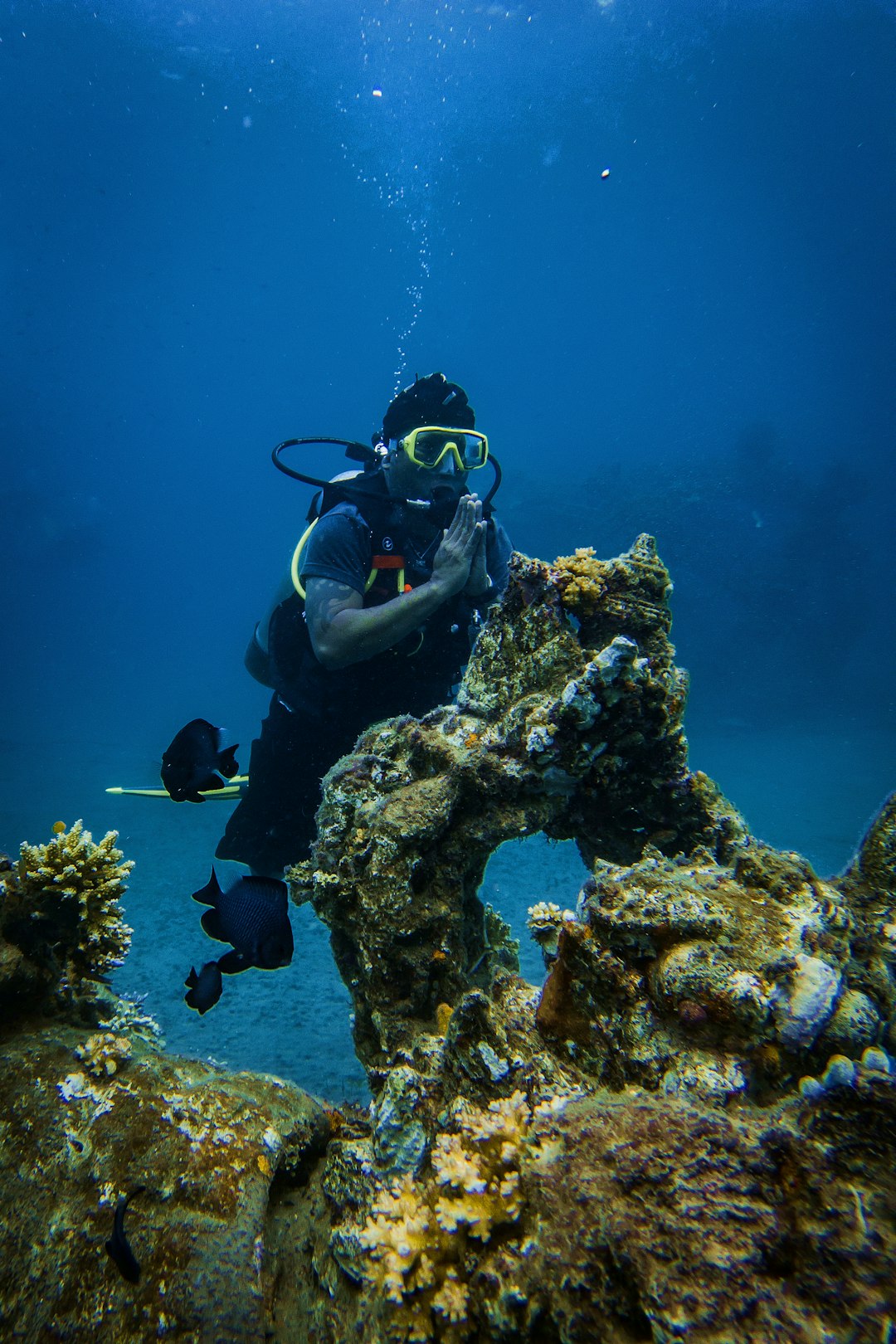
Not all marine biologists are deep-sea divers. Some use computers to model oceans. Others collect samples to study pollution. It’s a mix of work both indoors and outdoors.
Daily Life on the Job
No two days are the same. Some marine biologists spend weeks on a research ship. Others work 9 to 5 in a lab or office.
Here’s what a typical day might include:
- Collecting water or animal samples
- Recording data and observations
- Analyzing results in a lab
- Writing scientific reports or giving talks
- Working with other scientists and conservation groups
One day you might be tagging sea turtles. The next, you’re looking into a microscope!
Where Do Marine Biologists Work?
They work all over the world! You’ll find them at:
- Universities and research institutes
- Aquariums and marine parks
- Government agencies like NOAA
- Environmental organizations
- Oil and shipping companies, to guide safe practices
Some even become consultants or teachers. The ocean offers many paths.
Education and Skills Needed
So, how do you become a marine biologist? It all starts with school.
- Earn a bachelor’s degree in marine biology, biology, or a related science.
- Consider a master’s or Ph.D. if you want to do research or teach at a university.
- Get hands-on experience through internships, volunteering, and fieldwork.
Important skills include:
- Curiosity and a love for science
- Strong swimming and sometimes diving skills
- Observation and data analysis
- Good communication for writing and teamwork
Don’t worry — you don’t need to be an expert swimmer to start. You’ll learn as you go!
Career Outlook
Marine biology is a competitive field. It’s not just because it’s fun — it’s also very meaningful.
The U.S. Bureau of Labor Statistics lumps marine biologists under “Zoologists and Wildlife Biologists.” This field is growing slowly, around 1-2% per year. But don’t let that scare you!
There is a rising need for ocean research. Issues like climate change, pollution, and overfishing mean marine biologists are more important than ever.
Think beyond just science, too! Environmental policy, education, tech, and even tourism can use your marine knowledge.
Salary Guide
Salaries for marine biologists vary. It depends on education, location, experience, and who you work for.
Here’s a general idea:
- Entry-level (with Bachelor’s): $45,000 – $60,000 per year
- With Master’s or Ph.D.: Up to $70,000 – $85,000
- Senior-level or Specialized roles: $90,000 – $120,000+
Working for the government tends to offer stable pay and good benefits. Private companies may pay more but can be project-based.
Jobs at universities often offer less money but more flexibility and opportunities for research and travel.
Perks of the Job
So why choose marine biology, besides dolphins and snorkeling?
- Adventure! Fieldwork can take you around the world
- Purpose. Help protect the planet and its marine life
- Discovery. You might find something new or make scientific breakthroughs
- Community. Work with passionate people who care about nature
It’s also an amazing feeling to work close to the ocean every day!
Challenges to Know About
Marine biology isn’t all sunshine and seashells. Here are some common challenges:
- Competition: Jobs can be hard to land, especially in high-demand areas
- Funding: Research often depends on grants, which can run out
- Conditions: Fieldwork can be tough — think cold water and seasickness!
- Time: Advanced degrees take years to complete
But if you’re passionate and dedicated, these hurdles are totally worth it.
How to Get Started
If you’re in school, here’s how to dive in early:
- Take science classes like biology, chemistry, and earth science
- Join ocean or science clubs
- Volunteer at aquariums, zoos, or beach clean-ups
- Look for summer camps or programs in marine science
In college, major in biology or marine science. Try to find internships or research assistant positions—they look great on your resume!
Famous Marine Biologists
Need some inspiration? Check out these famous figures:
- Jacques Cousteau: Legend of underwater exploration and inventor of scuba gear
- Sylvia Earle: “Her Deepness,” known for deep-sea diving and ocean conservation
- Rachel Carson: Wrote “Silent Spring” and raised awareness about pollution
They’ve made big waves in marine science. You can too!
Final Thoughts
Marine biology is more than a job — it’s a journey. If you’re fascinated by the ocean and want to make a difference, this could be your perfect fit.
It takes effort, study, and determination. But in return, you get a career filled with wonder, nature, and discovery. So grab your snorkel—and start exploring!