
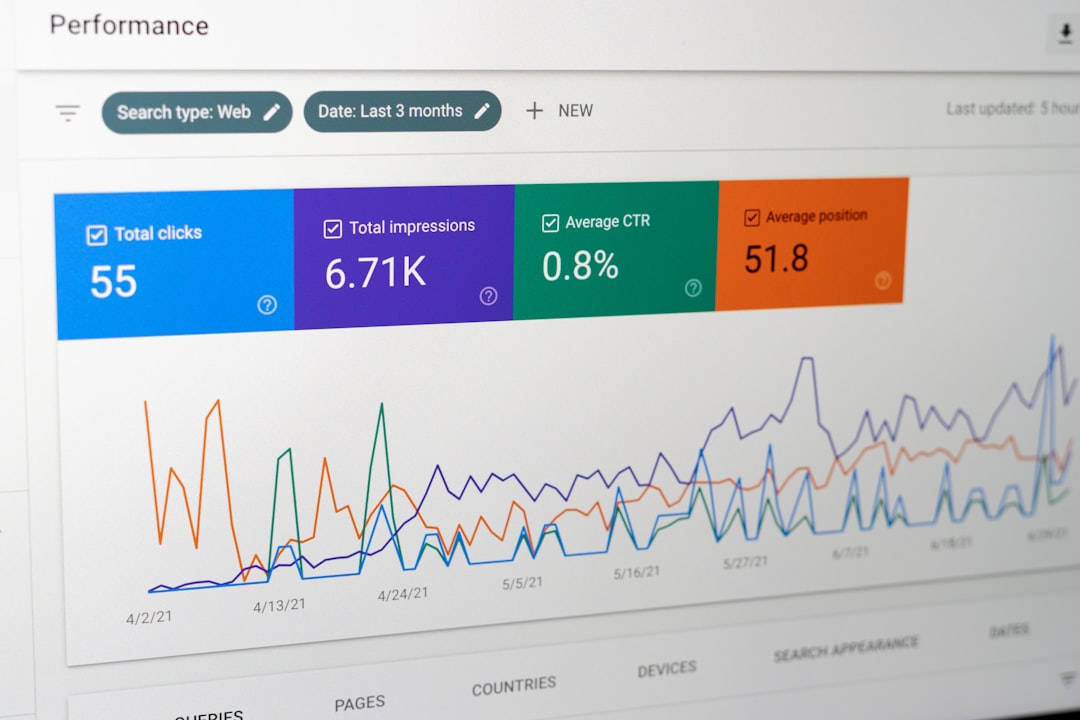
Bloomberg Terminal is the big shiny spaceship of market intelligence. It is fast. It is powerful. It is also expensive. Many banks, funds, research teams, and corporate strategy teams love it. But it is not the only serious machine in the room.
TLDR: If you want Bloomberg-style market intelligence, look at LSEG Workspace, S&P Capital IQ Pro, FactSet, and AlphaSense. Each one shines in a different way. LSEG is strong in real-time markets and news. Capital IQ Pro is great for company data and deal research. FactSet is loved by portfolio teams. AlphaSense is excellent for finding insights inside documents and earnings calls.
Think of institutional market intelligence like a giant kitchen. You need fresh ingredients. You need sharp knives. You need a fast stove. And you need a chef who does not panic when the market sneezes.
Bloomberg Terminal gives users data, news, charts, trading tools, messaging, research, and analytics. It is like a Swiss Army knife with a caffeine habit. But not every team needs every blade. Some teams need better company data. Some need portfolio tools. Some need document search. Some need a lower cost. That is where other platforms come in.
Below are four strong investing platforms like Bloomberg Terminal. They are built for serious users. They help analysts, portfolio managers, bankers, traders, and corporate teams make smarter decisions. Let’s keep it simple.

Contents
1. LSEG Workspace
LSEG Workspace is the modern platform from the London Stock Exchange Group. Many people still connect it with Refinitiv Eikon, because that was its earlier identity. It is one of the closest Bloomberg alternatives for market professionals.
It gives users real-time prices, market news, economic data, company data, charting, and analytics. It is strong in global markets. It is also strong in foreign exchange, fixed income, commodities, and macro data.
If Bloomberg is a Wall Street rocket ship, LSEG Workspace is a sleek Formula 1 car. It is built for speed. It is built for global coverage. It feels serious, but not scary.
What it is best for:
- Real-time market data.
- Foreign exchange and rates.
- Commodities and energy markets.
- Global news and macro research.
- Trading floor workflows.
One big strength is the depth of market data. You can track equities, bonds, currencies, commodities, derivatives, and economic indicators. You can also pull in news from Reuters. That is a major advantage. Reuters is fast. Traders like fast.
LSEG Workspace also connects well with Microsoft Excel. This matters more than people admit. Analysts live in spreadsheets. A platform that plays nicely with Excel is like a dog that does taxes. Very useful.
Who should use it? It is a great fit for banks, asset managers, hedge funds, commodity firms, and treasury teams. If your work depends on live pricing and global market moves, LSEG Workspace deserves a close look.
Possible downside: It can still be costly. It also has many tools, so new users may need training. But that is normal in this league. These platforms are not toys. They are power tools.
2. S&P Capital IQ Pro
S&P Capital IQ Pro is a favorite among investment bankers, private equity teams, credit analysts, corporate development teams, and equity researchers. It is less about “watch the market tick by tick” and more about “understand this company deeply.”
It is excellent for company fundamentals. It has financial statements, valuation data, private company data, ownership details, transaction information, industry research, and credit data. It is a treasure chest for people who build models and write investment memos.
If you need to analyze a company, Capital IQ Pro is like having a very smart librarian who never sleeps. It can help you find revenue, margins, debt, peers, historical multiples, M&A transactions, and analyst estimates.
What it is best for:
- Company financials and fundamentals.
- Private company research.
- M&A deal screening.
- Comparable company analysis.
- Credit and ratings data.
Capital IQ Pro is especially useful for valuation work. Want to find public peers? Easy. Want to compare EBITDA multiples? Great. Want to screen for companies in a certain industry with certain revenue and margin levels? Also great.
It is also very useful for private markets. Bloomberg is strong in public markets. But private equity teams often need private company data, transaction history, and ownership details. Capital IQ Pro does well here.
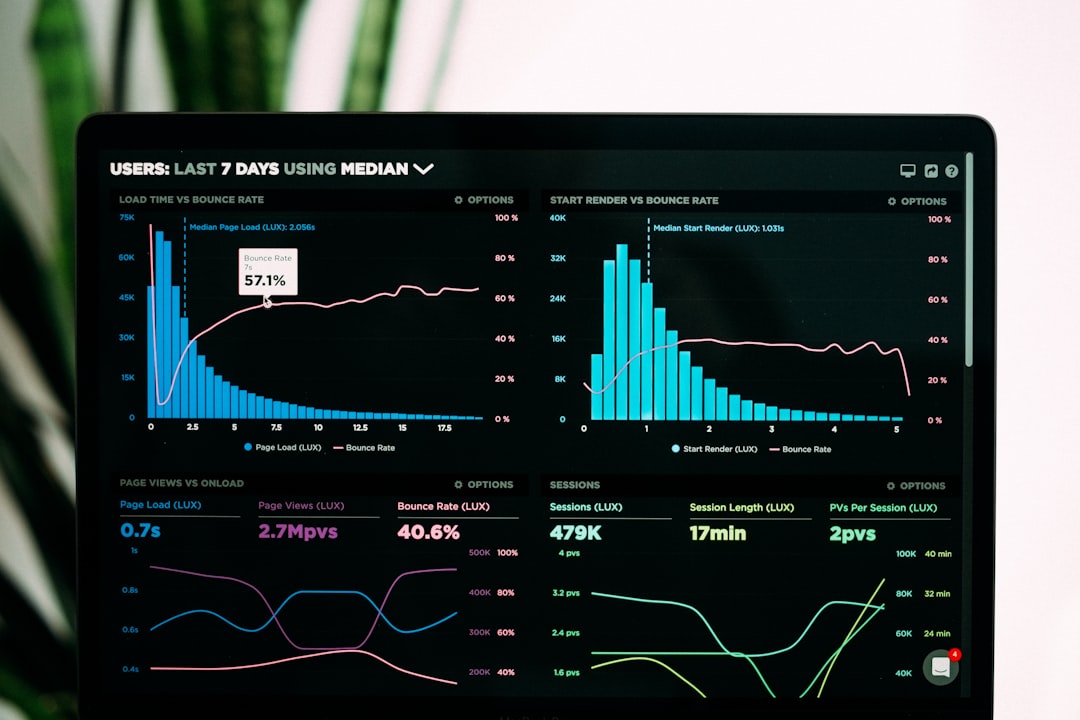
Who should use it? It is a strong choice for investment banks, private equity firms, venture capital teams, corporate strategy groups, credit investors, and research analysts.
Possible downside: It is not always the best choice for live trading workflows. It is not built to be a trader’s cockpit in the same way Bloomberg or LSEG Workspace can be. But for deep company research, it is excellent.
3. FactSet
FactSet is another heavyweight platform. It is popular with asset managers, wealth managers, hedge funds, and institutional research teams. It blends market data, company data, portfolio analytics, risk tools, screening, and reporting.
FactSet is known for being clean and flexible. Many users like its interface. It does not feel as intimidating as some older systems. It still has serious power under the hood.
Think of FactSet as a very organized command center. It helps portfolio teams see what they own, why they own it, what risks they carry, and how performance is behaving. It is not just about finding data. It is about turning data into better decisions.
What it is best for:
- Portfolio analytics.
- Risk and performance analysis.
- Equity research workflows.
- Screening and idea generation.
- Client reporting for investment firms.
FactSet is very useful for teams that manage money. You can analyze portfolio exposures. You can compare a portfolio to a benchmark. You can see sector weights, factor risks, attribution, and performance drivers.
This is where FactSet shines. It does not just say, “Here is a pile of data.” It says, “Here is what your portfolio is doing, and here is why.” That is a big deal.
It also has strong ownership data, estimates, fundamental data, and news. Like the others, it works well with Excel. Again, this matters. Excel is the gym where analysts do their daily workout.
Who should use it? It is great for asset managers, hedge funds, pension funds, family offices, wealth platforms, and research teams.
Possible downside: Some users may prefer Bloomberg for instant messaging, trading workflows, or certain real-time market functions. FactSet is often strongest when the job is research, portfolios, and analytics.
4. AlphaSense
AlphaSense is a different kind of Bloomberg alternative. It is not trying to be the same terminal. It is more like a search engine built for investors and corporate researchers. But not a normal search engine. A very serious one. With a suit. And maybe a laser pointer.
AlphaSense helps users search through earnings transcripts, SEC filings, broker research, company presentations, expert call transcripts, news, and internal documents. It uses artificial intelligence to help find important signals. This can save hours.
Instead of clicking through fifty PDFs, users can search for a theme. For example, “pricing pressure,” “AI demand,” “supply chain delays,” or “margin expansion.” AlphaSense can quickly show where those topics appear across companies and documents.
What it is best for:
- Document search and discovery.
- Earnings call analysis.
- Market theme tracking.
- Competitive intelligence.
- Finding hidden signals in text.
This is very helpful for analysts. Earnings calls are packed with clues. Management teams often say a lot, but not always directly. AlphaSense helps users spot patterns. If ten companies mention weak demand in the same region, that may matter.
It is also useful for corporate strategy teams. They can track competitors. They can follow customer trends. They can monitor supplier comments. They can find signals before those signals become obvious.

Who should use it? It is a strong fit for hedge funds, asset managers, private equity firms, consultants, corporate strategy teams, investor relations teams, and market intelligence teams.
Possible downside: AlphaSense is not a full market data terminal. It does not replace every function of Bloomberg. It is best used as a powerful research layer. Many teams use it alongside other platforms.
How to Choose the Right Platform
Choosing a platform is like choosing a gym. The “best” one depends on what you actually do. A powerlifter and a yoga teacher need different equipment. So do a trader and a private equity analyst.
Here is the simple way to think about it:
- Need live markets and global news? Choose LSEG Workspace.
- Need company data and deal research? Choose S&P Capital IQ Pro.
- Need portfolio analytics and performance tools? Choose FactSet.
- Need to search documents and find themes fast? Choose AlphaSense.
Also think about your users. Traders need speed. Bankers need comps. Portfolio managers need risk analytics. Corporate teams need competitive insights. Analysts need clean data and less clicking.
Price matters too. These platforms can be expensive. The final cost often depends on user count, data packages, regions, asset classes, and add-ons. Always ask what is included. Always ask what costs extra. Market data fees can sneak up like a ninja in loafers.
Quick Comparison
| Platform | Main Strength | Best For |
|---|---|---|
| LSEG Workspace | Real-time data and global markets | Traders, banks, treasury teams |
| S&P Capital IQ Pro | Company data and transactions | Bankers, PE teams, credit analysts |
| FactSet | Portfolio and research analytics | Asset managers, hedge funds |
| AlphaSense | AI document search and themes | Researchers, strategy teams, analysts |
Final Thoughts
Bloomberg Terminal is famous for good reason. It is deep, fast, and trusted. But it is not the only option for institutional market intelligence. Many teams can get better fit, better workflows, or better value from another platform.
LSEG Workspace is best when live markets matter. S&P Capital IQ Pro is best when company research and transactions matter. FactSet is best when portfolios and analytics matter. AlphaSense is best when finding insight inside mountains of text matters.
The smartest choice is not always the biggest platform. It is the one your team will actually use well. Pick the tool that matches your daily work. Then train your team. Then build a repeatable process.
Good market intelligence does not replace judgment. It improves it. The platform gives you the map. Your team still has to drive the car. Just try not to drive it straight into a meme stock volcano.