
The restaurant industry is undergoing a profound transformation driven by artificial intelligence. From personalized menus to predictive inventory management, AI is reshaping how restaurants operate and how customers experience dining. What was once a purely human-centered craft is now enhanced by intelligent systems that analyze data, anticipate needs, and create seamless service journeys. As consumer expectations rise and operational challenges grow, AI is becoming a central ingredient in the recipe for success.
TLDR: Artificial intelligence is revolutionizing restaurants by improving efficiency, personalizing customer experiences, and reducing operational costs. From smart ordering systems to predictive analytics and robotic kitchens, AI enables faster service and better decision-making. Restaurants that embrace AI-driven tools can enhance guest satisfaction while optimizing profits. The future of dining is increasingly automated, data-informed, and highly personalized.
In recent years, restaurants have faced mounting pressures: rising food costs, labor shortages, delivery app competition, and increasingly tech-savvy customers. AI offers practical solutions to these challenges by leveraging data to improve accuracy, speed, and customer engagement. Rather than replacing human hospitality, AI augments it—allowing staff to focus on creativity and service while machines manage repetitive or data-heavy tasks.
Contents
Personalized Dining Through Data Intelligence
One of AI’s most powerful contributions to restaurants is hyper-personalization. By collecting and analyzing customer data—such as past orders, dietary preferences, and visit frequency—AI systems can recommend dishes tailored to individual tastes.
For example, a returning guest who frequently orders plant-based meals may receive curated vegan recommendations upon scanning a digital menu. Loyalty apps driven by AI can send customized promotions based on ordering patterns, encouraging repeat visits and increasing average ticket size.

Personalization extends beyond suggestions. AI can:
- Adapt menus dynamically based on time of day or customer demographics.
- Highlight best-selling items using predictive algorithms.
- Offer real-time upselling prompts that feel natural rather than aggressive.
- Accommodate dietary restrictions instantly, reducing human error.
This data-driven approach not only increases revenue but also enhances customer satisfaction by making diners feel understood and valued.
Smart Ordering and Contactless Experiences
The pandemic accelerated the adoption of contactless technology, but AI has taken it much further. Smart kiosks and mobile ordering apps now use machine learning to streamline ordering processes. These systems remember prior purchases, reduce mistakes, and speed up transactions.
Voice AI is also gaining traction. Drive-thru restaurants, in particular, are deploying conversational AI assistants capable of understanding complex orders, processing modifications, and handling multiple languages. Unlike traditional ordering systems, AI models continuously learn and improve accuracy over time.
Key benefits of AI-powered ordering include:
- Reduced wait times during peak hours.
- Improved order accuracy compared to manual entry.
- Lower labor costs by automating repetitive tasks.
- 24/7 availability for online and app-based orders.
These efficiencies free human staff to focus on delivering memorable service rather than managing routine transactions.
Kitchen Automation and Robotics
Behind the scenes, AI is transforming kitchen operations. Smart kitchen systems monitor cooking times, temperatures, and ingredient usage in real time. Sensors and predictive algorithms ensure consistency, reduce waste, and maintain food safety standards.
Some restaurants have introduced robotic cooking assistants capable of flipping burgers, assembling bowls, or preparing pizzas with precision. While these technologies may seem futuristic, they address critical challenges such as labor shortages and quality control.
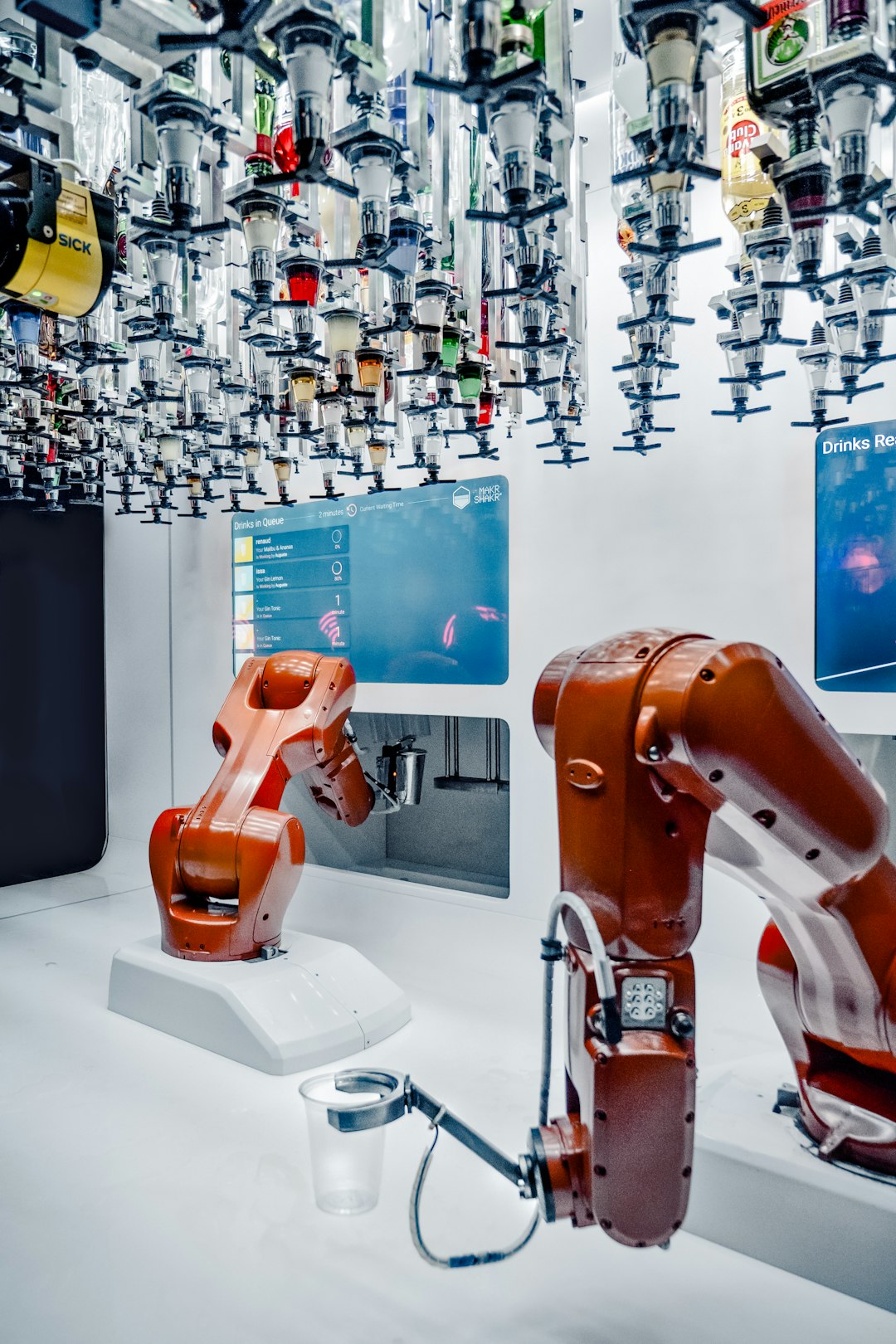
AI-driven kitchen systems can:
- Predict prep quantities based on expected demand.
- Alert staff to low inventory levels automatically.
- Adjust cooking parameters for optimal consistency.
- Analyze waste patterns to reduce food loss.
This intelligent automation not only cuts costs but also promotes sustainability—an increasingly important value for modern consumers.
Predictive Analytics for Inventory and Supply Chain
Inventory mismanagement can significantly hurt restaurant profitability. Overstocking leads to waste, while understocking results in missed sales opportunities. AI-powered predictive analytics help restaurants forecast demand with remarkable accuracy.
By analyzing factors such as historical sales data, weather forecasts, local events, and seasonal trends, AI systems anticipate fluctuations in customer traffic. For example, an upcoming sports event may trigger increased orders for certain shareable dishes.
Restaurants can use predictive analytics to:
- Optimize purchasing schedules and supplier orders.
- Reduce spoilage through accurate forecasting.
- Balance staffing levels based on predicted demand.
- Improve profit margins by minimizing waste.
In this way, AI moves restaurant management from reactive decision-making to proactive strategy.
Enhancing the In-Restaurant Experience
AI is not limited to operational efficiency—it also enhances ambiance and engagement. Smart lighting and music systems adjust based on occupancy levels and time of day, creating an optimized atmosphere.
Computer vision technology can anonymously analyze foot traffic patterns to help managers redesign layouts for better flow. AI chatbots assist with reservations, answer frequently asked questions, and provide instant support across digital channels.
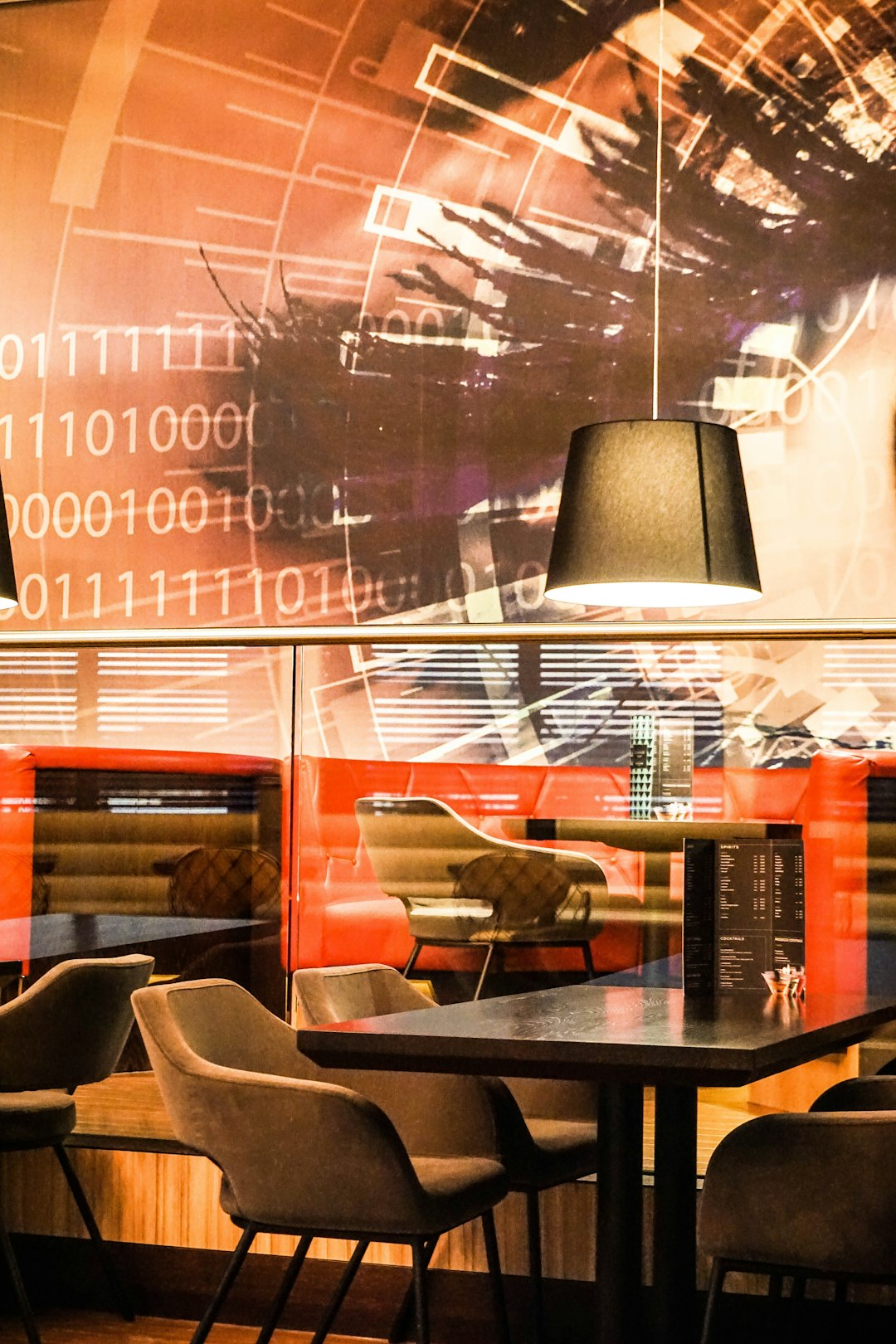
Facial recognition, where legally permitted, enables frictionless identification for loyalty members, allowing for personalized greetings and customized experiences. Although privacy considerations must be carefully managed, the potential for seamless service is significant.
AI and Delivery Optimization
Food delivery has become a cornerstone of modern dining. AI algorithms optimize delivery routes in real time, reducing travel time and ensuring food arrives fresh. Machine learning also identifies ideal packaging solutions to maintain temperature and presentation quality.
Restaurants partnering with delivery platforms benefit from AI-powered insights such as:
- Peak ordering windows for targeted promotions.
- Menu performance analytics to streamline offerings.
- Customer sentiment analysis through review monitoring.
This data helps restaurants refine their delivery strategies and strengthen their digital presence.
Ethical and Operational Considerations
While AI offers numerous advantages, implementation requires thoughtful planning. Data privacy, cybersecurity, and transparent customer communication are critical. Guests must feel confident that their information is handled responsibly.
Additionally, workforce integration is essential. Rather than eliminating staff, AI often shifts roles toward higher-value tasks such as hospitality, creativity, and relationship-building. Training programs help employees adapt to AI-supported workflows, ensuring a balanced human-tech partnership.
Restaurants must also evaluate costs carefully. Upfront investments in AI systems can be substantial, but long-term returns—through efficiency gains and increased revenue—often justify the expense.
The Road Ahead: Fully Smart Dining Ecosystems
The future of smart dining points toward fully integrated ecosystems where AI connects every aspect of restaurant operations. Imagine a scenario where:
- A customer receives a personalized dinner suggestion via app notification.
- The restaurant’s system pre-adjusts inventory and staffing based on the reservation.
- A smart kitchen prepares the dish with robotic precision.
- Automated payment completes the transaction seamlessly.
- Post-visit analytics generate tailored follow-up offers.
This interconnected approach creates a frictionless journey from discovery to post-meal engagement. As AI technologies continue to evolve, restaurants will gain increasingly sophisticated tools for delivering exceptional dining experiences.
Ultimately, the heart of dining remains human connection—shared meals, conversations, and atmosphere. AI does not replace this essence; it enhances it by removing inefficiencies and enabling staff to focus on what truly matters: hospitality. Restaurants that embrace AI thoughtfully and strategically are poised to define the next era of culinary innovation and customer satisfaction.
Frequently Asked Questions (FAQ)
-
1. How is AI used in restaurants today?
AI is used for personalized recommendations, smart ordering systems, inventory forecasting, kitchen automation, delivery optimization, and customer analytics. -
2. Does AI replace restaurant staff?
In most cases, AI supports rather than replaces staff. It automates repetitive tasks, allowing employees to focus on customer service and creative work. -
3. Is AI expensive for small restaurants?
While advanced robotics can be costly, many AI tools—such as predictive analytics software and smart ordering platforms—are increasingly affordable and scalable for smaller establishments. -
4. How does AI improve customer experience?
AI personalizes menus, reduces wait times, increases order accuracy, and enables seamless payment and reservation systems. -
5. What are the biggest challenges of implementing AI in restaurants?
Key challenges include data privacy concerns, upfront investment costs, staff training, and ensuring smooth integration with existing systems. -
6. What is the future of AI in dining?
The future involves fully connected smart ecosystems where predictive analytics, robotics, and personalized digital engagement work together to create seamless and highly customized dining journeys.