
High frame rate video has become increasingly popular, whether you are creating smooth gameplay content, cinematic slow motion, or ultra-fluid action sequences. While 24 FPS and 30 FPS have long been industry standards, modern cameras and workflows now make 60 FPS, 120 FPS, and even higher frame rates accessible to almost anyone. If you are using DaVinci Resolve and want to export videos above 60 FPS, you may have discovered that it is not as straightforward as changing a single setting. Understanding how timelines, project settings, and delivery options interact is essential to getting the results you want.
TLDR: To export videos above 60 FPS in DaVinci Resolve, you must first set your project timeline frame rate to your desired high frame rate before you begin editing. Make sure your footage supports that frame rate and that your delivery settings match the timeline settings. In the Deliver page, manually adjust the frame rate if needed and choose a compatible codec and format. Always verify your export settings before rendering to ensure you are not unintentionally downscaling to 60 FPS or lower.
Contents
Understanding Frame Rates in DaVinci Resolve
Before diving into export settings, it is important to understand how DaVinci Resolve handles frame rates. The key rule is this: your timeline frame rate determines your maximum export frame rate. If your timeline is set to 24, 30, or 60 FPS, you cannot simply export at 120 FPS later without changing the timeline itself.
When you create a new project in DaVinci Resolve, you are prompted to choose timeline settings. Once media is added and editing begins, changing the timeline frame rate becomes restricted. That is why planning ahead is critical if you intend to deliver in higher frame rates like 120 FPS or even 240 FPS.
There are three essential frame rate factors to understand:
- Source frame rate – The FPS at which your camera recorded the footage.
- Timeline frame rate – The FPS setting of your project timeline.
- Export frame rate – The FPS used during rendering and delivery.
For successful high-FPS exports, all three should align appropriately.
Step 1: Set Your Timeline to a High Frame Rate
The most important step in exporting above 60 FPS happens before you even begin editing.
To set a high frame rate timeline:
- Open DaVinci Resolve.
- Create a new project.
- Click on the gear icon in the lower right corner to open Project Settings.
- Under Master Settings, find Timeline Frame Rate.
- Select your desired frame rate (for example, 120 FPS).
- Click Save.
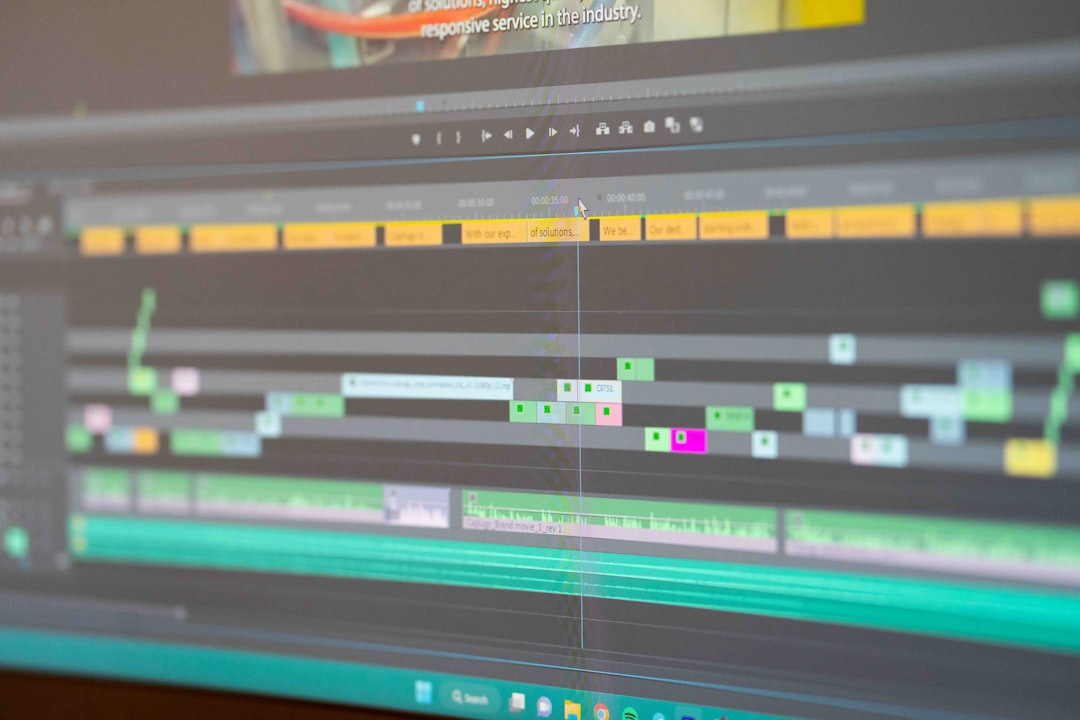
It is crucial to do this before importing media or starting your edit. Once you add footage, Resolve locks the timeline frame rate to prevent playback and sync problems.
Pro Tip: If you forgot to set the frame rate and already started editing, the only reliable fix is to create a new timeline or project with the correct FPS and copy your edits over.
Step 2: Confirm Your Footage Supports High Frame Rates
Exporting above 60 FPS only makes sense if your footage supports it. If your camera recorded at 30 FPS, you cannot magically create true 120 FPS motion without interpolation.
Common high frame rate recording options include:
- 60 FPS (standard smooth video)
- 120 FPS (smooth motion or 4x slow motion on 30 FPS timeline)
- 240 FPS (extreme slow motion)
- Higher FPS for specialty cameras
To confirm your clip frame rate:
- Right-click a clip in the Media Pool.
- Select Clip Attributes.
- Check the Video Frame Rate value.
If your source matches your timeline rate (for example 120 FPS footage in a 120 FPS timeline), you will retain natural motion smoothness when exporting.
Step 3: Adjust Playback and Processing Settings
High frame rate timelines demand more system resources. Playback may stutter, especially at 120 FPS or higher resolutions like 4K.
To improve performance:
- Enable Render Cache (Smart or User).
- Use Optimized Media.
- Lower timeline proxy resolution during editing.
- Use a system with a powerful GPU.
These adjustments do not affect your final export quality but make high-FPS editing manageable.
Step 4: Export Settings for Above 60 FPS
Now comes the critical stage: exporting correctly.
Navigate to the Deliver page in DaVinci Resolve.
Follow these steps:
- Select a render preset (YouTube, Custom, etc.).
- Switch to Custom Export for full control.
- Under the Video tab, locate the Frame Rate dropdown.
- Ensure it matches your timeline frame rate (e.g., 120 FPS).
- Select a compatible format and codec.

If the dropdown does not show frame rates above 60 FPS, it usually means:
- Your timeline is set to 60 FPS or lower.
- The selected codec does not support higher frame rates.
- The selected resolution or preset has frame rate limitations.
Choosing the Right Format and Codec
Not all formats support high frame rates equally. Here are safe options:
- MP4 (H.264) – Widely supported, but may have platform limitations.
- MP4 (H.265) – Better compression for high frame rate and 4K content.
- QuickTime (ProRes) – Excellent for professional workflows.
- DNxHR – Great for high-quality masters.
If exporting for platforms like YouTube, verify that the platform supports 120 FPS playback. Currently, YouTube supports up to 60 FPS for public playback in most cases, meaning exporting beyond 60 FPS may not provide visible benefits there.
However, for:
- Archival masters
- Professional broadcast
- Gaming playback on high refresh rate monitors
- Specialized playback systems
120 FPS and higher exports can be extremely valuable.
Common Problems and How to Fix Them
Problem 1: Export Stuck at 60 FPS
Cause: Timeline frame rate set to 60 FPS.
Solution: Create a new project with higher FPS before editing.
Problem 2: Choppy or Dropped Frames
Cause: System struggling with high FPS or wrong clip retiming settings.
Solution: Enable optical flow carefully or ensure clips are not unintentionally slowed.
Problem 3: Delivery Page Limits Frame Rate
Cause: Preset restrictions.
Solution: Switch to Custom Export and manually configure settings.
When Should You Export Above 60 FPS?
High frame rate exports are not always necessary. Here is when they make sense:
- Gaming content – Especially for PC gamers with 120Hz or 240Hz monitors.
- Sports footage – Preserves fast motion clarity.
- Virtual reality content – Improves immersion.
- High-end display environments – Digital signage or installations.

However, for cinematic storytelling, many creators still prefer 24 FPS for its traditional filmic look. Higher frame rates tend to appear hyper-real and less cinematic, which may not suit every project.
Advanced Tip: Exporting for Slow Motion Flexibility
One strategic reason to export at 120 FPS is future flexibility. By delivering high frame rate masters, you allow future editors or platforms to retime footage smoothly without interpolation.
Additionally, if you want dramatic slow motion but also want a high-FPS final file, you can:
- Shoot at 240 FPS.
- Edit in a 120 FPS timeline.
- Retime clips for 50% playback where needed.
- Export at 120 FPS.
This preserves detailed motion while still offering creative speed control.
Hardware Considerations
Exporting above 60 FPS significantly increases processing demand. You are effectively doubling (or more) the number of frames rendered.
For smooth rendering:
- Use a modern multi-core CPU.
- Invest in a powerful GPU with ample VRAM.
- Ensure fast SSD storage.
- Close background applications during render.
High frame rate 4K 120 FPS exports can take substantially longer than 4K 30 FPS renders, so plan accordingly.
Final Thoughts
Exporting videos above 60 FPS in DaVinci Resolve is entirely possible, but the process starts long before you reach the Deliver page. The timeline frame rate dictates everything, and forgetting to configure it properly is the most common mistake editors make.
By planning your project settings carefully, confirming your source footage supports high frame rates, choosing the right codec, and manually adjusting delivery settings when needed, you can create smooth, ultra-fluid videos that fully utilize modern display technology.
As display hardware continues to evolve toward higher refresh rates, mastering high-FPS workflows in DaVinci Resolve gives you a technical edge. Whether you are producing gaming content, sports coverage, immersive media, or professional masters, understanding how to push beyond 60 FPS ensures your projects stay future-ready and visually impressive.