
Modern facilities are complex ecosystems of equipment, infrastructure, people, and processes that must function seamlessly every day. From manufacturing plants and hospitals to office buildings and educational campuses, maintaining assets efficiently is crucial to safety, productivity, and cost control. This is where Facilities Management Software for Maintenance Tracking becomes a game changer. By centralizing maintenance data, automating workflows, and offering actionable insights, these solutions empower organizations to shift from reactive repairs to strategic asset management.
TLDR: Facilities Management Software for Maintenance Tracking helps organizations plan, monitor, and optimize maintenance operations through centralized digital tools. It automates work orders, tracks assets, schedules preventive maintenance, and delivers real-time insights. This reduces downtime, lowers operational costs, and improves compliance and safety. In short, it transforms maintenance from a reactive function into a strategic advantage.
Contents
What Is Facilities Management Software?
Facilities Management Software (often integrated with Computerized Maintenance Management Systems, or CMMS) is a digital platform designed to manage physical assets, maintenance activities, and facility operations. It replaces manual logs, spreadsheets, and paperwork with a centralized system accessible from desktops and mobile devices.
At its core, maintenance tracking software focuses on:
- Asset management – Cataloging and tracking equipment, infrastructure, and property details.
- Work order management – Creating, assigning, and tracking maintenance tasks.
- Preventive maintenance scheduling – Planning inspections and servicing before failures occur.
- Inventory management – Monitoring spare parts and supply levels.
- Reporting and analytics – Gaining insights into costs, downtime, and performance trends.
Rather than responding to breakdowns as they happen, facilities teams can use this technology to anticipate problems, allocate resources more effectively, and extend the lifecycle of critical assets.
Why Maintenance Tracking Matters
Unplanned downtime is more than an inconvenience—it can be financially devastating. Equipment failures can halt production lines, disrupt patient care, or displace employees from workspaces. Moreover, neglected maintenance often leads to safety hazards and compliance violations.
Maintenance tracking software addresses these risks by providing:
- Real-time visibility into ongoing and completed maintenance tasks
- Automated alerts for upcoming inspections and servicing
- Digital documentation for audits and regulatory compliance
- Historical performance data to inform future decisions
In today’s fast-paced environments, relying on paper-based systems or disconnected spreadsheets simply cannot provide the transparency and responsiveness organizations need.
Key Features of Modern Maintenance Tracking Systems
Modern facilities management platforms are far more than digital filing cabinets. They are dynamic, interactive tools designed to simplify daily workflows and enhance collaboration.
1. Work Order Automation
Work order automation allows maintenance requests to be submitted digitally and routed to the appropriate technician instantly. Supervisors can prioritize tasks, assign deadlines, and monitor progress in real time.
Benefits include:
- Reduced response times
- Clear accountability
- Improved communication between departments
2. Preventive and Predictive Maintenance
Rather than waiting for equipment to fail, preventive maintenance scheduling ensures assets are serviced at regular intervals. More advanced systems incorporate predictive analytics, using historical and sensor data to anticipate when parts are likely to wear out.
This proactive approach results in:
- Extended equipment lifespan
- Lower repair costs
- Minimized operational disruptions
3. Asset Lifecycle Management
Facilities teams can track every asset from acquisition to disposal. Detailed records may include:
- Purchase and warranty information
- Maintenance history
- Repair costs over time
- Depreciation data
This visibility helps organizations decide whether to repair or replace equipment based on data rather than guesswork.
4. Mobile Accessibility
Mobile access is essential for technicians in the field. With smartphones or tablets, they can:
- Receive work order notifications instantly
- Update job status in real time
- Attach photos and notes
- Scan barcodes or QR codes on equipment
This reduces paperwork, eliminates delays, and ensures accurate documentation.
Industries That Benefit Most
While nearly any facility can benefit from maintenance tracking software, certain industries find it indispensable.

Manufacturing
Manufacturing environments depend heavily on machinery operating at peak efficiency. Even short downtime periods can cause significant production losses. Maintenance software ensures machines are serviced on schedule and downtime is minimized.
Healthcare
Hospitals rely on fully functioning equipment for patient care and compliance with strict regulations. Digital tracking ensures medical devices, HVAC systems, and emergency systems are properly maintained and documented.
Commercial Real Estate
Property managers can handle tenant maintenance requests efficiently, maintain building systems, and preserve property value through structured maintenance planning.
Education and Government
Schools and public facilities must manage tight budgets while ensuring safety and operational reliability. Maintenance tracking software helps allocate resources wisely and maintain transparency.
The Financial Impact of Maintenance Software
One of the most compelling arguments for investing in facilities management software is its measurable return on investment (ROI).
Organizations typically experience:
- Reduced emergency repairs due to preventive maintenance
- Lower labor costs from efficient task allocation
- Reduced inventory waste through accurate parts tracking
- Improved asset longevity leading to fewer capital expenditures
For example, a facility that reduces unplanned downtime by even 10–15% may see substantial savings annually. Additionally, accurate maintenance records can improve warranty claims and insurance negotiations.
Enhancing Compliance and Safety
Compliance requirements often demand meticulous maintenance records. Whether adhering to safety codes, environmental standards, or industry regulations, organizations must demonstrate consistent adherence to maintenance schedules.
Maintenance tracking software simplifies this by:
- Storing inspection reports digitally
- Automating recurring compliance tasks
- Generating audit-ready documentation
- Tracking certifications and licenses
In safety-critical environments, such as chemical plants or healthcare facilities, this level of accountability can prevent accidents and legal liabilities.
Data-Driven Decision Making
One of the most powerful features of modern facilities management systems is analytics. By aggregating data over time, organizations can identify trends and uncover inefficiencies.
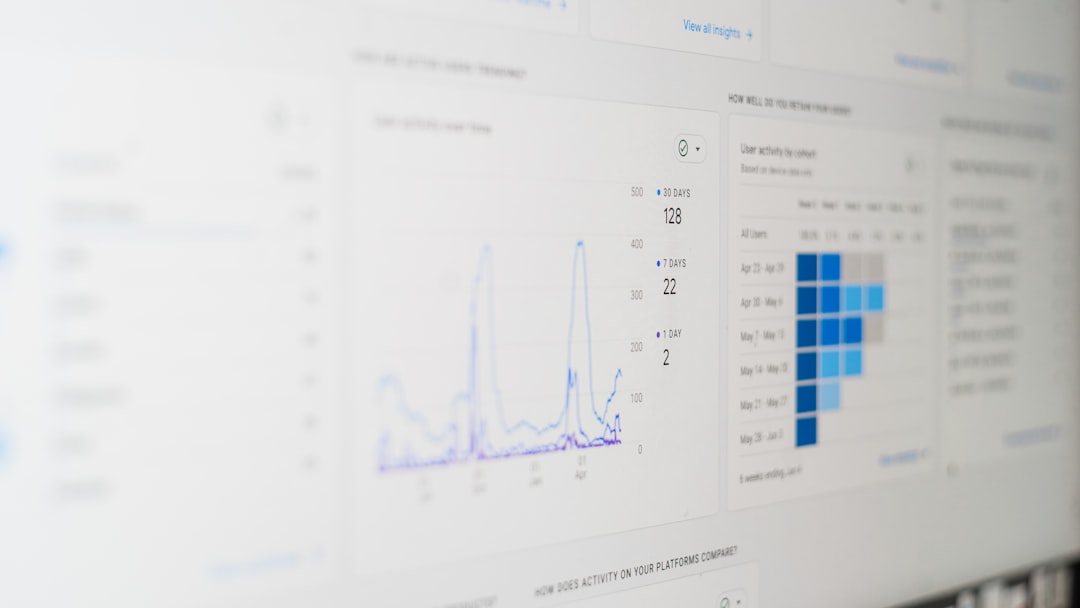
Examples of valuable insights include:
- Which assets incur the highest maintenance costs
- Average response time for work orders
- Maintenance backlog trends
- Technician performance metrics
Armed with this information, managers can adjust budgeting, staffing, or equipment replacement strategies to optimize operations.
Implementation Best Practices
Successfully implementing maintenance tracking software requires thoughtful planning and team engagement.
1. Conduct an Asset Audit
Before launching the system, create a comprehensive inventory of all equipment and assets. Accurate data at the start ensures meaningful insights later.
2. Define Clear Workflows
Establish standardized procedures for submitting, approving, and closing work orders. Clear processes reduce confusion and improve adoption.
3. Train Staff Thoroughly
Even the most advanced system will fail if users are not properly trained. Invest in onboarding sessions and ongoing support.
4. Start with Preventive Maintenance
Prioritize scheduling routine maintenance tasks early in the implementation process. Quick wins in downtime reduction help demonstrate value.
The Future of Maintenance Tracking
The evolution of facilities management software continues at a rapid pace. Emerging technologies such as the Internet of Things (IoT), artificial intelligence (AI), and machine learning are enhancing predictive capabilities.
In the near future, we can expect:
- Smart sensors that automatically trigger work orders
- AI-driven scheduling for optimal technician dispatch
- Digital twins that simulate asset performance scenarios
- Greater integration with enterprise systems
These advancements will further reduce downtime and elevate maintenance from a support function to a strategic driver of business success.
Conclusion
Facilities Management Software for Maintenance Tracking is no longer a luxury—it is a necessity in today’s complex operational environments. By automating workflows, centralizing asset data, and delivering actionable insights, organizations gain control over maintenance activities and costs. The transition from reactive fixes to proactive strategies translates into safer environments, longer asset lifespans, and stronger financial performance.
As facilities grow more sophisticated and expectations for efficiency increase, investing in robust maintenance tracking software positions organizations to thrive. With the right system in place, maintenance teams are not just fixing problems—they are building resilience, reliability, and long-term value.