
Voice assistant platforms have rapidly become a core component of modern digital ecosystems, enabling businesses and developers to create seamless, conversational experiences across devices. Among these platforms, solutions like the Google Assistant SDK play a pivotal role in enabling voice integrations for mobile apps, smart home devices, automotive systems, and enterprise tools. These platforms combine speech recognition, natural language processing, and cloud-based intelligence to transform how users interact with technology.
TLDR: Voice assistant platforms such as Google Assistant SDK allow developers to build powerful voice-enabled applications across devices. They provide tools for speech recognition, natural language understanding, and device integration. Businesses use these platforms to enhance user experience, automate workflows, and enable hands-free interaction. As conversational AI advances, voice integrations are becoming a central part of digital strategy.
The growing demand for hands-free interaction, smart environments, and AI-enabled services has made voice assistant development a strategic focus for companies across industries. From retail and healthcare to automotive and IoT, voice integration offers both convenience and efficiency. Understanding how platforms like Google Assistant SDK function is essential for developers and decision-makers aiming to remain competitive in a connected world.
Contents
Understanding Voice Assistant Platforms
Voice assistant platforms are comprehensive frameworks that allow developers to create voice-driven applications and connect them with devices or services. These platforms generally offer:
- Speech-to-Text (STT) capabilities to convert spoken words into text
- Natural Language Understanding (NLU) to interpret user intent
- Text-to-Speech (TTS) to generate human-like voice responses
- Cloud-based services to manage data and intelligence
- Developer SDKs and APIs for seamless integration
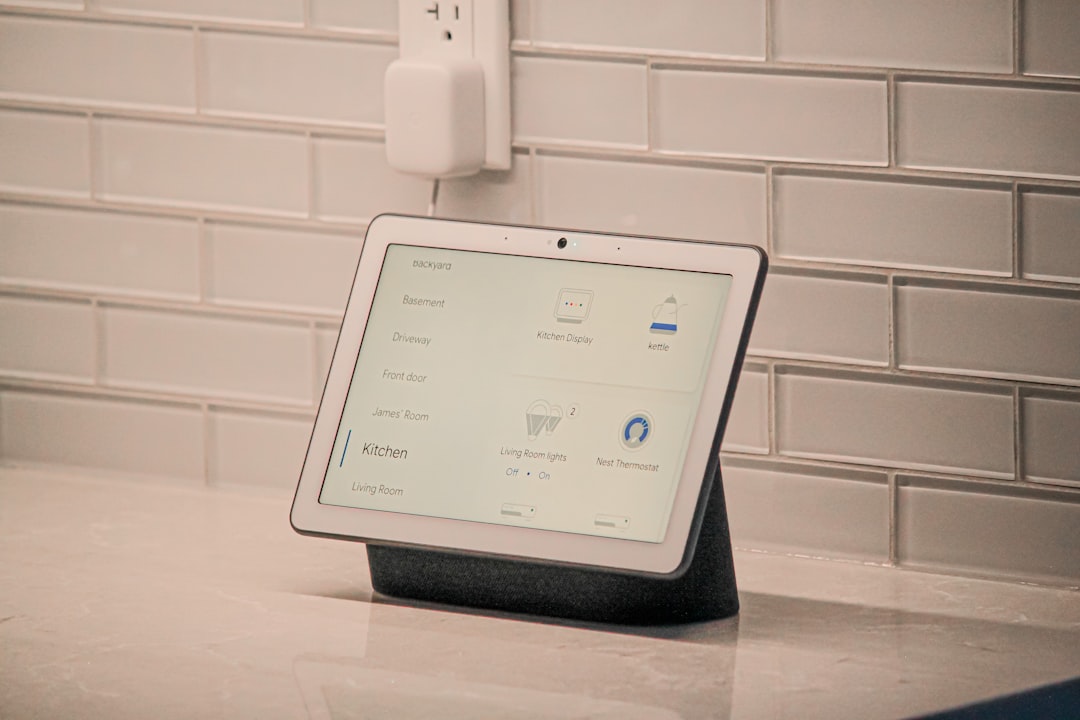
The Google Assistant SDK, for example, allows developers to embed Google Assistant functionality directly into hardware devices and applications. This means users can interact with products using natural speech without needing a screen or keyboard.
Core Components of Google Assistant SDK
The Google Assistant SDK is designed to simplify the development of voice-enabled products. It provides the foundational infrastructure needed to process voice input and return contextual, intelligent responses.
Key components include:
- Hotword Detection: Enables devices to wake upon hearing trigger phrases.
- Audio Processing: Captures and transmits clear voice commands.
- Intent Handling: Maps spoken phrases to specific actions.
- Device Actions: Executes commands on connected hardware.
- Account Linking: Connects voice interactions with user profiles and services.
This modular approach makes the platform highly adaptable for various use cases, including custom hardware devices, smart displays, and embedded systems.
Benefits of Voice Integrations
Integrating voice assistant capabilities into products delivers multiple strategic benefits. Businesses increasingly view voice not as a novelty but as a primary user interface.
- Enhanced User Experience: Voice enables intuitive, hands-free interaction.
- Accessibility: Improves usability for individuals with disabilities.
- Speed and Efficiency: Voice commands are often faster than manual input.
- Multi-Device Consistency: A unified assistant experience across smartphones, speakers, cars, and more.
- Automation: Simplifies complex workflows through conversational commands.
For enterprises, voice integration can streamline operations such as scheduling, inventory checks, and customer service inquiries.
Use Cases Across Industries
Voice assistant platforms are highly versatile. Below are notable applications across sectors:
Smart Home and IoT
Voice assistants serve as centralized controllers for smart home devices. Users can adjust lighting, security systems, temperature, and appliances through simple commands.
Automotive Integration
In vehicles, voice assistants enable hands-free navigation, media control, and communication, enhancing driver safety and convenience.
Healthcare
Medical professionals use voice tools for documentation, appointment scheduling, and accessing patient data. Patients can manage medications and receive reminders.
Retail and E-commerce
Voice commerce allows customers to search products, place orders, and track shipments. Retailers also use voice bots for customer care automation.

Technical Architecture of Voice Integrations
A typical voice integration architecture involves multiple interconnected layers:
- Client Layer: Hardware device or app capturing voice input.
- Edge Processing: Noise reduction and signal refinement.
- Cloud Processing: Speech recognition and intent analysis.
- Business Logic Layer: Maps intents to backend services.
- Response Layer: Generates voice output and executes actions.
Platforms like Google Assistant SDK streamline this process by managing cloud intelligence while allowing developers to focus on device-specific implementation. Cloud-based AI ensures continuous improvement in accuracy and contextual understanding.
Challenges in Implementing Voice Assistants
Despite the advantages, voice integration presents technical and strategic challenges:
- Privacy and Security: Handling voice data responsibly is critical.
- Latency: Slow response times can degrade user experience.
- Accents and Language Support: Variations in speech patterns require robust AI models.
- Complex Intent Recognition: Ambiguity in language must be carefully managed.
- Integration Complexity: Connecting legacy systems with voice APIs can be demanding.
To mitigate these challenges, developers must adopt best practices such as encrypted communication, efficient edge processing, and rigorous testing across demographic groups.
Designing Effective Voice Experiences
Creating successful voice integrations requires thoughtful conversational design. Unlike graphical interfaces, voice interactions are linear and ephemeral. Users cannot “see” available options unless guided verbally.
Best practices include:
- Clear Prompts: Provide concise instructions and feedback.
- Error Handling: Offer helpful clarifications when misunderstandings occur.
- Context Awareness: Maintain memory of user preferences.
- Personalization: Tailor responses to user behavior and data.
- Fallback Strategies: Ensure alternative solutions if a command fails.
Thoughtful voice user interface (VUI) design ensures that the interaction feels natural rather than robotic or confusing.

Security and Privacy Considerations
As voice assistants become integrated into daily life, concerns around data privacy intensify. Platforms like Google Assistant SDK provide authentication protocols and permission frameworks, but responsibility also lies with developers.
Important considerations include:
- User Consent: Transparent data collection policies.
- Encrypted Communication: Secure transmission between device and cloud.
- Local Processing Options: Limiting data exposure when feasible.
- Regular Security Audits: Preventing unauthorized access.
Organizations that prioritize transparency and data governance are more likely to build trust with users.
The Future of Voice Platforms
Voice technology continues to evolve rapidly. Advances in generative AI, contextual reasoning, and multilingual processing are pushing voice assistants beyond simple command-response systems.
Emerging trends include:
- Conversational AI with deeper context retention
- Emotion detection and tone adaptation
- Offline voice processing capabilities
- Multi-modal interaction combining voice and visual interfaces
- Enterprise-grade voice automation tools
As machine learning models become more sophisticated, voice assistants will function less as tools and more as intelligent collaborators. Businesses that invest early in scalable voice integration strategies are likely to gain competitive advantage.
Conclusion
Voice assistant platforms such as Google Assistant SDK represent a transformative step in human-computer interaction. By combining advanced AI technologies with accessible development tools, they empower organizations to deliver intuitive, efficient, and scalable voice experiences. From smart homes to enterprise automation, voice integration is reshaping digital engagement across industries.
While challenges remain in areas such as privacy, latency, and linguistic diversity, ongoing advancements in AI are steadily addressing these concerns. For developers, the opportunity lies not only in implementing voice capabilities but in designing meaningful, user-centric conversational experiences. As voice becomes a standard interface, mastering voice assistant platforms will be an essential component of modern digital innovation.
Frequently Asked Questions (FAQ)
-
1. What is the Google Assistant SDK used for?
It is used to embed Google Assistant functionality into devices and applications, enabling voice interaction capabilities such as command execution and conversational responses. -
2. Do developers need advanced AI knowledge to use voice assistant platforms?
Not necessarily. Platforms like Google Assistant SDK provide pre-built tools and APIs, allowing developers to integrate voice features without building AI models from scratch. -
3. Can voice assistant integrations work offline?
Some limited functionality can be supported offline, but most advanced features rely on cloud-based processing for accurate speech recognition and natural language understanding. -
4. How secure are voice assistant platforms?
They include encryption and authentication protocols, but security also depends on how developers implement data handling, storage, and permissions. -
5. What industries benefit most from voice integration?
Smart home technology, automotive, healthcare, retail, enterprise software, and IoT industries are among the primary beneficiaries of voice-enabled solutions. -
6. Is voice integration expensive to implement?
Costs vary based on complexity, hardware requirements, and backend integration needs. However, SDKs and cloud services reduce development overhead compared to building solutions from scratch.