

Smart camera platforms have transformed the way homes and businesses approach video surveillance. Rather than simply recording footage, modern systems such as Arlo combine intelligent software, cloud connectivity, and mobile access to create a proactive security ecosystem. These platforms offer real-time alerts, AI-powered recognition, and seamless integrations with other smart home devices, giving users greater visibility and control than ever before.
TLDR: Smart camera platforms like Arlo go far beyond traditional security cameras by combining high-resolution video, artificial intelligence, and cloud connectivity. They provide real-time alerts, smart object detection, remote access, and automation features that make monitoring easier and more effective. With flexible storage options and smart home integration, these systems are ideal for both residential and small business security. Choosing the right platform depends on storage needs, privacy preferences, and desired smart features.
Unlike traditional closed-circuit television (CCTV) systems that require complex wiring and onsite storage, smart camera platforms operate through Wi-Fi and cloud-based services. This shift allows users to monitor activity from anywhere using smartphones, tablets, or desktop dashboards. As security concerns grow and smart homes become more common, platforms similar to Arlo have emerged as leaders in accessible, intelligent surveillance solutions.
Contents
What Defines a Smart Camera Platform?
A smart camera platform is more than just a camera with an internet connection. It is a complete ecosystem designed to capture, analyze, store, and notify users about activity in real time. These systems typically include:
- High-definition video capture (HD, 2K, or 4K resolution)
- Artificial intelligence detection for people, vehicles, animals, and packages
- Cloud or hybrid storage solutions
- Mobile app access for live streaming and playback
- Two-way audio communication
- Smart home integration with voice assistants and automation systems
Platforms like Arlo combine hardware and subscription-based services into one seamless system. The hardware captures crisp footage, while the software applies intelligent filtering to reduce false alerts. For example, instead of notifying users about every movement, the system can differentiate between a passing car and a person approaching the front door.
Core Features of Platforms Like Arlo
1. Intelligent Object Detection
Artificial intelligence is one of the most significant advances in modern security cameras. Smart platforms can identify and categorize motion events. This capability reduces unnecessary notifications and focuses attention on meaningful events.
For instance, homeowners can customize alerts to receive notifications only when a person is detected, ignoring animals or tree branches moving in the wind. Some platforms also offer facial recognition, enabling identification of familiar versus unfamiliar individuals.
2. Cloud and Local Storage Options
One major advantage of smart camera platforms is flexible storage. Users can typically choose between:
- Cloud storage for secure offsite backups
- Local storage via microSD cards or base stations
- Hybrid storage that combines both options
Cloud storage ensures that footage remains safe even if a camera is stolen or damaged. Advanced encryption protocols help protect video data from unauthorized access.
3. Wireless Installation and Scalability
Most platforms like Arlo emphasize wireless setup. Battery-powered cameras eliminate complex wiring, allowing installation in virtually any location. This flexibility makes expanding the system easy as monitoring needs grow.
Users can add cameras to:
- Front and back entrances
- Driveways and garages
- Backyards and patios
- Indoor living spaces
- Retail floors or office interiors
4. Real-Time Alerts and Automation
Instant notifications form the backbone of proactive monitoring. Instead of reviewing footage after an event, users receive immediate alerts when suspicious activity occurs. Many platforms integrate with smart lighting, alarms, and voice assistants to trigger automated responses.
For example, when motion is detected at night, outdoor lights can automatically turn on while the system begins recording. This layered approach discourages intruders and enhances overall safety.
Benefits for Homeowners
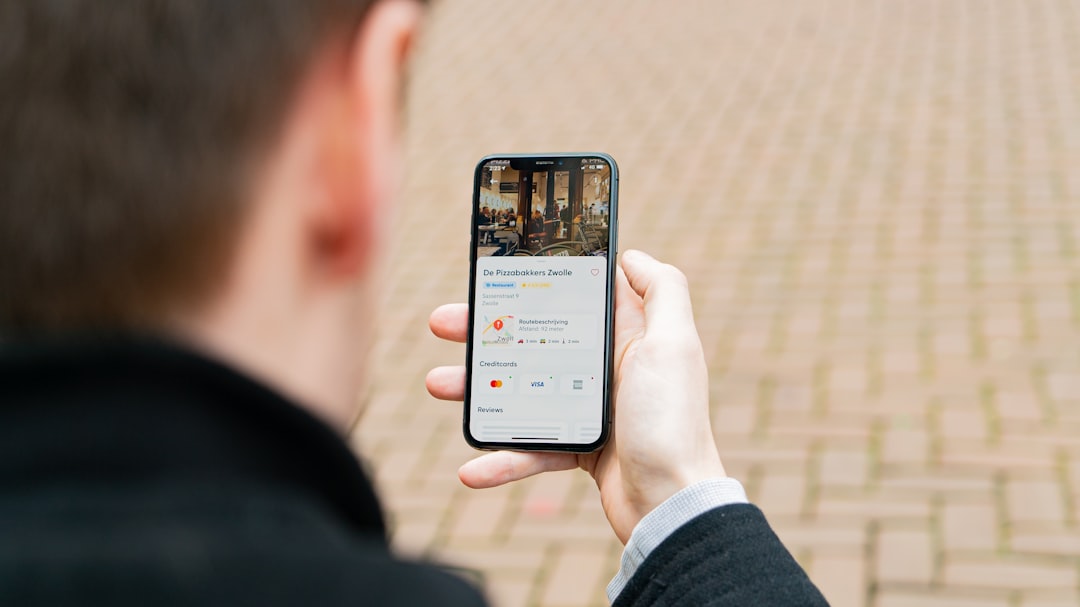
Smart monitoring cameras provide peace of mind for homeowners. With live video feeds accessible from anywhere, users can check on deliveries, children arriving home from school, or unexpected visitors.
Key residential benefits include:
- Package protection with doorstep monitoring
- Remote property checks while traveling
- Deterrence through visible cameras
- Insurance documentation via recorded evidence
Additionally, two-way audio enables direct communication. Homeowners can speak to delivery drivers, greet guests, or warn potential intruders without opening the door.
Applications for Small Businesses
Small businesses increasingly rely on smart camera platforms to oversee daily operations. Retail stores, cafes, warehouses, and offices benefit from affordable surveillance solutions without the complexity of enterprise-grade security systems.
Business advantages include:
- Employee safety monitoring
- Loss prevention and theft deterrence
- Operational oversight
- Remote multi-location management
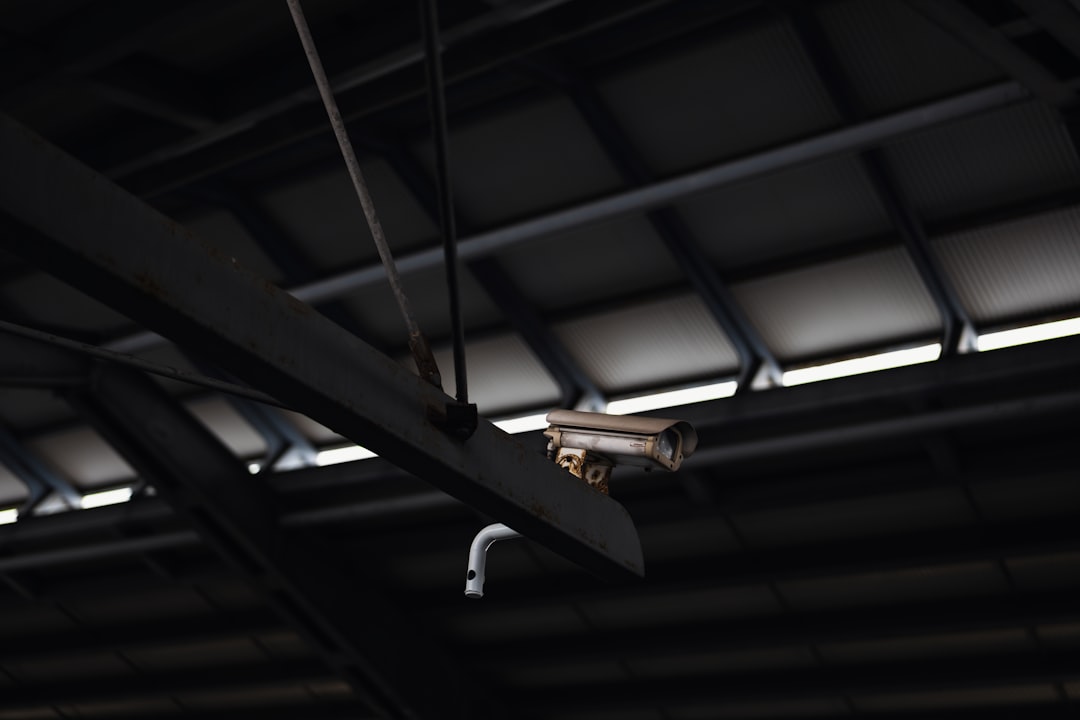
For multi-site businesses, centralized dashboards make it possible to monitor several locations from a single interface. This feature is especially valuable for franchises or growing companies.
Privacy and Security Considerations
While smart camera systems offer enhanced protection, privacy remains a critical concern. Responsible usage involves understanding how data is stored, who has access, and how it is encrypted.
Important considerations include:
- End-to-end encryption for video streams
- Two-factor authentication for account access
- Customizable activity zones to avoid recording public spaces
- User permission controls for shared access
Reputable platforms provide transparency about data retention policies and allow users to delete stored footage as needed. Implementing strong passwords and secure networks further reduces vulnerabilities.
Subscription Plans and Costs
Many smart camera platforms operate on a subscription model. While basic live viewing may be free, advanced features often require paid plans. These may include:
- Extended cloud storage history
- AI-powered recognition features
- Emergency response integration
- Advanced motion filtering
When evaluating total cost, users should consider both hardware investment and ongoing subscription fees. Although there is an upfront expense, the long-term value lies in enhanced security and convenience.
How to Choose the Right Smart Camera Platform
Selecting a platform similar to Arlo involves assessing individual needs and preferences. Decision-makers should evaluate:
- Video quality requirements (HD vs 4K)
- Battery life and power options
- Indoor versus outdoor durability
- Integration with existing smart home devices
- Data storage preferences
- Budget constraints
Reading customer reviews, comparing features, and understanding warranty coverage can further inform purchasing decisions. As technology evolves, firmware updates and ongoing innovation also play a role in long-term satisfaction.
The Future of Smart Monitoring Cameras
The future of smart camera platforms points toward deeper AI integration and predictive security measures. Emerging technologies may include behavior pattern analysis, expanded facial databases, and automated emergency dispatch systems.
Edge computing is also gaining prominence. By processing data directly on the device rather than solely in the cloud, cameras can deliver faster alerts while reducing bandwidth demands. This advancement may improve response times and enhance privacy controls.
As smart cities and connected devices continue to expand, camera platforms will increasingly become part of larger security ecosystems. Integration with environmental sensors, access control systems, and neighborhood networks could redefine how communities approach safety.
Frequently Asked Questions (FAQ)
1. Are smart camera platforms better than traditional CCTV systems?
Smart platforms offer remote access, AI-driven alerts, and easier installation compared to traditional CCTV. While CCTV may still be suitable for large enterprise environments, smart systems provide greater flexibility and convenience for homes and small businesses.
2. Do smart cameras require a monthly subscription?
Many platforms provide limited free features, such as live streaming. However, advanced options like extended cloud storage and intelligent detection typically require a subscription plan.
3. Can smart cameras work without Wi-Fi?
Most smart camera platforms rely on Wi-Fi for remote access and cloud storage. Some models offer local recording, but functionality may be limited without an internet connection.
4. How secure is cloud video storage?
Reputable providers use encryption protocols and secure data centers. Users can enhance security by enabling two-factor authentication and regularly updating passwords.
5. Are smart camera platforms suitable for renters?
Yes. Wireless, battery-powered cameras are easy to install and remove without permanent modifications, making them ideal for rental properties.
6. What happens if the power goes out?
Battery-powered cameras continue operating during power outages. However, internet disruptions may affect cloud recording and remote viewing capabilities.
Smart camera platforms like Arlo represent a shift from passive surveillance to active, intelligent monitoring. By combining connectivity, automation, and artificial intelligence, these systems empower users to manage security more efficiently and confidently in an increasingly connected world.