
The modern home is no longer just a place to eat, sleep, and relax—it’s quickly becoming a connected ecosystem of intelligent devices that anticipate your needs and respond in real time. From smart thermostats that learn your schedule to doorbells that stream live video to your phone, the Internet of Things (IoT) is transforming daily life. At the center of this transformation are smart home platforms like SmartThings, powerful systems that bring all your devices together under one digital roof.
TLDR: Smart home platforms such as SmartThings act as centralized hubs that connect, automate, and manage IoT devices across your home. They allow different brands and devices to communicate, automate routines, and be controlled remotely from a single app. These platforms improve convenience, energy efficiency, and security while reducing the complexity of managing multiple devices. Choosing the right one depends on compatibility, ecosystem support, and your privacy preferences.
Contents
What Is a Smart Home Platform?
A smart home platform is a centralized software and hardware system that connects various Internet of Things devices so they can communicate and operate together. Instead of juggling separate apps for lights, thermostats, cameras, locks, and speakers, a platform consolidates everything into one interface.
Platforms typically include:
- A central hub (physical device or cloud-based system)
- Mobile and/or web apps for control
- Automation tools for creating routines and triggers
- Integrations with third-party brands and services
This unified approach is what makes platforms like SmartThings so valuable. They turn a collection of standalone gadgets into an intelligent, responsive environment.
How SmartThings Works
Samsung SmartThings is one of the most recognized smart home platforms. It supports a wide range of devices and communication protocols—including Zigbee, Z-Wave, Wi-Fi, and more—allowing you to connect hundreds of compatible products.
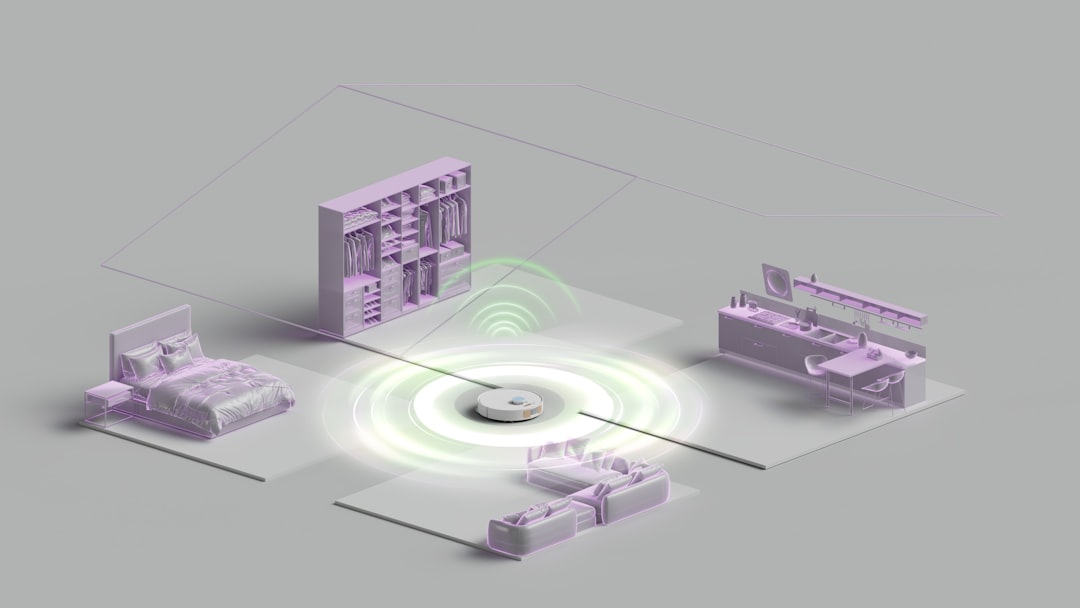
Here’s how it works in practice:
- Device Connection: You connect compatible smart devices to the SmartThings hub or app.
- Integration: Devices are grouped and categorized within the app.
- Automation Creation: You set rules such as “Turn on lights when motion is detected” or “Lock doors at 10 PM.”
- Remote Management: Control and monitor everything from anywhere via your smartphone.
One of SmartThings’ strengths lies in its broad compatibility. While some ecosystems prefer locking you into specific brands, SmartThings emphasizes flexibility across manufacturers.
Why Smart Home Platforms Matter
Without a unified platform, managing IoT devices can quickly become overwhelming. Imagine using five different apps just to manage your home’s lighting, security, and temperature. A smart home platform simplifies this chaos through:
1. Centralized Control
Everything is accessible from a single dashboard. This reduces friction and makes daily interactions smoother.
2. Automation and Routines
Automations are where true “smart” functionality shines. For example:
- Lights dim automatically during movie time.
- Thermostat adjusts based on occupancy sensors.
- Security cameras activate when everyone leaves home.
3. Energy Efficiency
By automating usage patterns, homes waste less energy. Smart thermostats and lighting schedules can significantly cut utility costs.
4. Enhanced Security
Integrated alerts, cameras, locks, and alarms create a robust security network. If a sensor detects motion, your camera can start recording while you receive a push notification.
Popular Smart Home Platforms to Consider
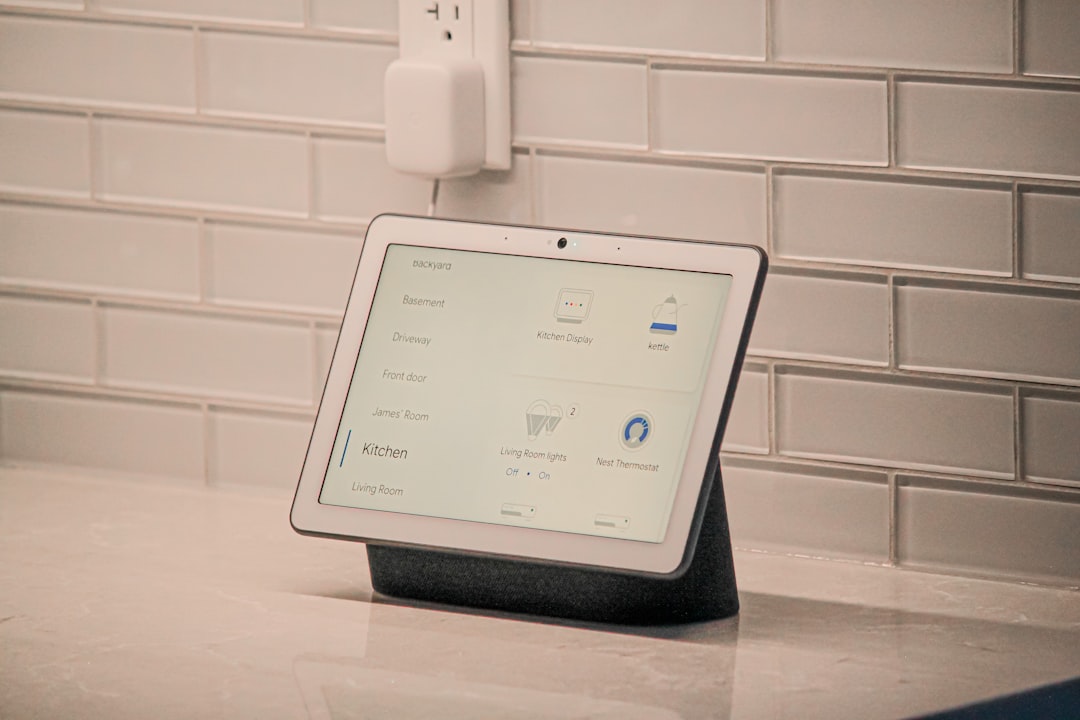
While SmartThings is a leader, several other platforms compete in the smart home market. Each has strengths, limitations, and ideal user profiles.
Top Smart Home Platforms
- Samsung SmartThings
- Amazon Alexa
- Google Home
- Apple HomeKit
- Home Assistant (open-source)
Comparison Chart
| Platform | Best For | Compatibility | Ease of Use | Privacy Focus |
|---|---|---|---|---|
| SmartThings | Broad device integration | Very High | High | Moderate |
| Amazon Alexa | Voice control and shopping integration | High | Very High | Moderate |
| Google Home | AI powered routines and search integration | High | Very High | Moderate |
| Apple HomeKit | Privacy focused Apple users | Moderate | High | High |
| Home Assistant | Advanced customization | Extensive | Low to Moderate | High |
Key Features to Look For in a Smart Home Platform
Choosing the right platform requires more than picking a recognizable name. Consider these critical factors:
Device Compatibility
Ensure your existing or planned devices work with the platform. Look for support for standards such as:
- Zigbee
- Z-Wave
- Wi-Fi
- Matter (emerging universal protocol)
Automation Flexibility
Some platforms allow only basic “if this, then that” rules, while others enable complex multi-condition automations. Advanced users may prefer systems with scripting or scene customization.
Voice Assistant Support
Compatibility with Alexa, Google Assistant, or Siri adds convenient hands-free control.
Local vs. Cloud Control
Platforms that support local processing often:
- Respond faster
- Remain functional during internet outages
- Offer stronger privacy protections
The Role of Matter in the Future of Smart Homes
One of the most exciting developments in smart home technology is Matter, a universal connectivity standard backed by major tech companies. Matter aims to eliminate compatibility headaches by ensuring devices work seamlessly across platforms.
For example, a Matter-certified smart plug should work with SmartThings, Apple HomeKit, Google Home, and Amazon Alexa without complicated configuration.
This shift could redefine how platforms compete. Instead of focusing primarily on compatibility, they may increasingly differentiate through:
- User interface design
- Advanced automation capabilities
- Ecosystem services and AI
- Privacy policies
Real-World Use Cases
To understand the impact of these platforms, consider some everyday scenarios.
Morning Routine Automation
- Smart blinds open gradually.
- Coffee machine powers on.
- Thermostat adjusts to daytime settings.
- News briefing plays through a smart speaker.
Home Security Mode
- Doors automatically lock.
- Security cameras activate.
- Motion sensors trigger alerts.
- Lights simulate occupancy when you’re away.
Energy Saving Mode
- Unused room lights turn off.
- HVAC reduces output when no motion is detected.
- Smart plugs cut standby power to electronics.
These automations create a home that feels less reactive and more predictive.
Challenges and Considerations
Despite their advantages, smart home platforms are not without issues.
Fragmentation
Although standards are improving, not all devices are universally compatible. Research is essential before buying.
Security Risks
Connected devices can become entry points for cyber threats. Users should:
- Enable two-factor authentication
- Keep firmware updated
- Segment smart devices on separate networks if possible
Learning Curve
Advanced platforms like Home Assistant may require technical knowledge. Beginners may prefer more user-friendly ecosystems.
Who Should Use Smart Home Platforms?
Smart home platforms aren’t just for tech enthusiasts. They benefit:
- Homeowners seeking convenience and security
- Renters looking for portable automation setups
- Small businesses managing lighting and access control
- Elderly individuals needing assisted living support
By integrating health monitoring sensors, fall detection systems, and automated alerts, these platforms can also enhance independent living.
The Future of Smart Home Management
As artificial intelligence becomes more embedded in IoT ecosystems, future platforms will likely move beyond rule-based automation. Instead of telling your home what to do, it may learn proactively from behavior patterns.
Imagine a system that:
- Adjusts lighting based on your mood or calendar events
- Predicts maintenance issues before devices fail
- Optimizes energy consumption based on real-time pricing data
SmartThings and similar platforms are steadily evolving toward this predictive model, blending machine learning with traditional automation.
Final Thoughts
Smart home platforms like SmartThings have become the backbone of modern IoT device management. By centralizing control, enabling powerful automation, and integrating a wide range of products, they turn scattered smart gadgets into a cohesive digital environment. Whether you prioritize compatibility, voice control, privacy, or deep customization, there’s a platform designed to meet your needs.
As standards like Matter gain traction and artificial intelligence grows more sophisticated, the smart home will become increasingly intuitive. The real power of these platforms lies not just in connecting devices—but in transforming houses into responsive, intelligent spaces that adapt seamlessly to everyday life.