
Modern radiology departments generate vast volumes of complex imaging data every day. From X-rays and CT scans to MRIs and PET studies, the ability to efficiently manage, analyze, and share this information is critical to accurate diagnosis and effective patient care. As healthcare systems move toward fully digital environments, specialized radiology imaging tools have become essential infrastructure rather than optional enhancements.
TLDR: Radiology imaging tools are central to storing, analyzing, and sharing medical images securely and efficiently. Key technologies such as PACS, RIS, advanced visualization software, AI platforms, and cloud-based imaging solutions streamline workflows and improve diagnostic accuracy. These tools also enhance collaboration, regulatory compliance, and patient outcomes. Healthcare organizations that invest in modern imaging infrastructure gain both clinical and operational advantages.
Below are seven radiology imaging tools that play a pivotal role in managing and analyzing medical data across healthcare institutions.
Contents
1. Picture Archiving and Communication System (PACS)
PACS is the backbone of digital radiology. It enables the storage, retrieval, management, distribution, and presentation of medical images.
Before PACS, imaging films were physically stored and transported, creating inefficiencies and risk of loss. Today, PACS allows healthcare providers to:
- Digitally store large volumes of imaging data
- Instantly retrieve prior studies
- Enable remote access for radiologists
- Integrate seamlessly with hospital networks
PACS eliminates physical film dependency and accelerates diagnosis by connecting imaging devices directly to a centralized server.
Image not found in postmetaSecurity and compliance are also integral to PACS platforms, ensuring protected health information meets stringent regulatory standards.
2. Radiology Information System (RIS)
While PACS manages images, the Radiology Information System (RIS) manages the data and workflows surrounding imaging procedures.
RIS handles:
- Patient scheduling and registration
- Tracking imaging orders
- Report generation and distribution
- Billing and coding integration
RIS streamlines administrative tasks and improves operational efficiency in busy imaging departments. When integrated with PACS and Electronic Health Records (EHR), it forms a powerful ecosystem that connects patient demographics, medical history, imaging results, and billing information.
The synergy between PACS and RIS significantly reduces redundancy and ensures continuity of care.
3. Advanced Visualization and 3D Imaging Software
Advanced visualization tools allow radiologists to view and manipulate imaging data in three dimensions. These platforms transform standard 2D scans into dynamic 3D reconstructions.
Key capabilities include:
- Multiplanar reformatting (MPR)
- Volume rendering
- 3D reconstructions of organs and vasculature
- Quantitative analysis of lesions and abnormalities
These tools are particularly valuable in oncology, cardiology, neurology, and surgical planning. By enabling more accurate anatomical visualization, they reduce ambiguity and support precise interventions.
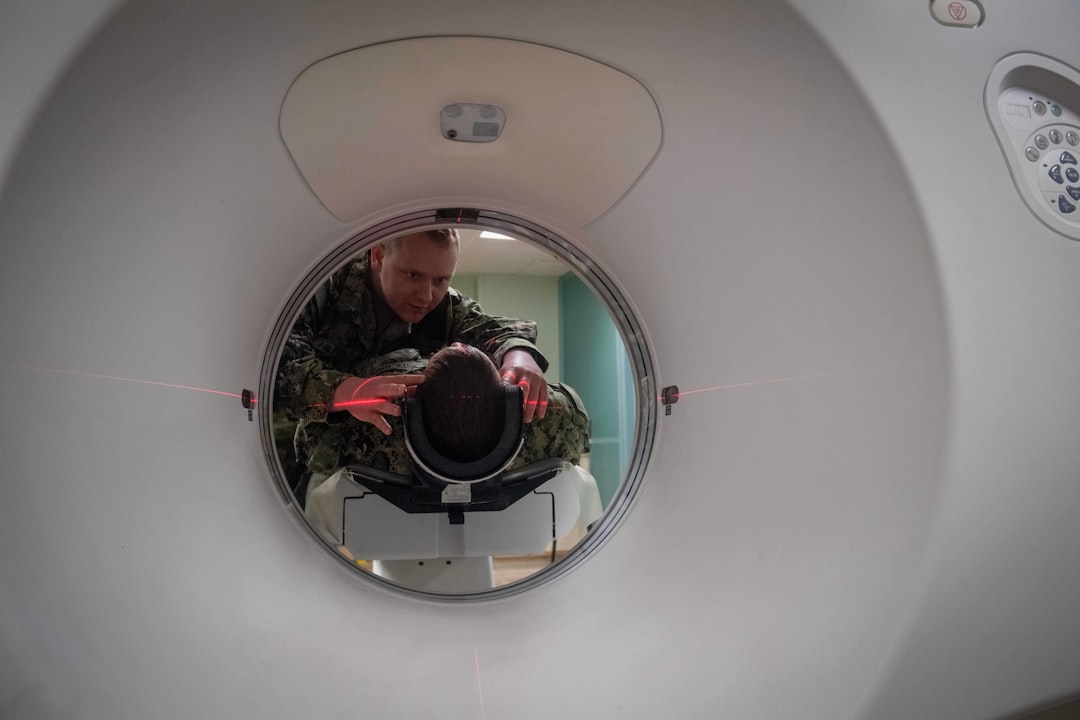
In complex cases, 3D visualization can significantly improve diagnostic confidence and communication between multidisciplinary teams.
4. Artificial Intelligence (AI) Imaging Platforms
Artificial Intelligence-based imaging tools are transforming radiology by augmenting human analysis with algorithm-driven insights.
AI platforms can:
- Detect abnormalities such as tumors or fractures
- Automate measurements and quantification
- Prioritize urgent cases through triage algorithms
- Reduce interpretation time
While AI does not replace radiologists, it enhances efficiency and reduces the likelihood of missed findings. Machine learning models trained on large datasets continuously improve diagnostic accuracy over time.
AI integration is particularly impactful in high-volume settings, emergency care, and population screening programs.
5. Vendor Neutral Archive (VNA)
A Vendor Neutral Archive (VNA) is designed to store imaging data in a standardized format independent of specific equipment manufacturers.
This provides critical advantages:
- Long-term storage flexibility
- Interoperability across systems
- Reduced dependency on proprietary hardware
- Simplified system migration and upgrades
By decoupling image storage from specific vendors, healthcare institutions avoid costly transitions when upgrading equipment.
VNAs also support broader enterprise imaging strategies that include dermatology, pathology, and cardiology data, not just radiology.
6. Cloud-Based Imaging Platforms
Cloud imaging solutions allow medical data to be stored and accessed securely via remote servers rather than local infrastructure.
Benefits include:
- Scalability for growing imaging demands
- Enhanced disaster recovery capabilities
- Remote collaboration among specialists
- Lower upfront infrastructure investment
Cloud-based systems enable radiologists to interpret studies from virtually any secure location, supporting telemedicine and global collaboration.
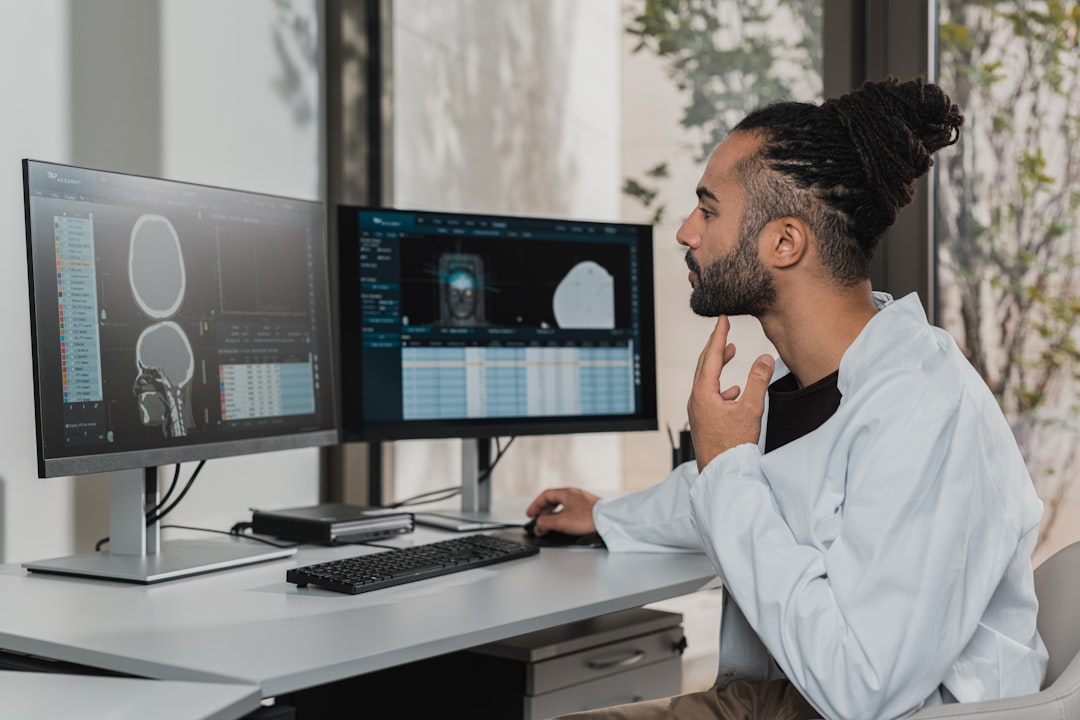
With cybersecurity safeguards and encrypted transmission protocols, modern cloud platforms meet strict regulatory requirements while improving accessibility.
7. Diagnostic Reporting and Structured Reporting Tools
Accurate interpretation is only valuable if clearly communicated. Structured reporting tools standardize radiology reports for clarity and consistency.
These systems offer:
- Templates aligned with clinical guidelines
- Voice recognition integration
- Automated data population from RIS and PACS
- Standardized terminology for improved clarity
Structured reporting minimizes ambiguity and enhances communication between radiologists and referring physicians. It also supports data analytics and research by maintaining consistent formatting.
Clear documentation contributes directly to improved patient management and compliance with regulatory standards.
Comparison Chart of Key Radiology Imaging Tools
| Tool | Primary Function | Main Benefit | Integration Level |
|---|---|---|---|
| PACS | Image storage and retrieval | Centralized digital archive | High with modalities and EHR |
| RIS | Workflow and patient management | Operational efficiency | High with PACS and billing |
| Advanced Visualization | 3D image analysis | Enhanced diagnostic precision | Moderate to high |
| AI Imaging Platforms | Automated image analysis | Faster detection and triage | Growing integration |
| VNA | Vendor independent archiving | Long-term flexibility | Enterprise wide |
| Cloud Imaging | Remote storage and access | Scalability and collaboration | High with secure networks |
| Structured Reporting | Standardized documentation | Improved communication | Integrated with RIS and PACS |
The Strategic Importance of Integrated Imaging Systems
Individually, each of these tools provides value. However, their true impact is realized when integrated into a cohesive ecosystem. A radiology department that combines PACS, RIS, AI analysis, cloud storage, and structured reporting achieves:
- Faster turnaround times for diagnoses
- Improved interdisciplinary collaboration
- Lower operational costs through automation
- Enhanced patient safety through accurate data management
Healthcare institutions are increasingly adopting enterprise imaging strategies that unify disparate systems into a single, standardized framework. This approach ensures data accessibility across departments and reduces fragmentation.
Conclusion
Radiology imaging tools have evolved far beyond simple image storage solutions. Today, they form the digital backbone of diagnostic medicine. From PACS and RIS to AI-driven platforms and cloud-based infrastructure, each technology contributes to a more efficient, accurate, and collaborative healthcare environment.
As medical imaging volumes continue to grow, investing in robust and integrated imaging tools is not simply a technological upgrade—it is a strategic necessity. Organizations that prioritize advanced imaging management and analysis capabilities position themselves to deliver higher-quality patient care, greater diagnostic precision, and long-term operational sustainability.