

Modern startups operate in environments where uptime, performance, and observability can make or break customer trust. As infrastructure becomes more distributed—spanning microservices, containers, multi-cloud, and serverless—monitoring platforms have evolved into mission-critical tools. While Chronosphere has gained attention for its scalable observability approach, many startups are exploring alternative monitoring platforms that better fit their budgets, technology stacks, and operational maturity.
TLDR: Startups are increasingly evaluating alternatives to Chronosphere for monitoring due to pricing, feature sets, integration flexibility, and ease of use. Leading options include Datadog, Prometheus with Grafana, New Relic, Dynatrace, and Splunk Observability Cloud. Each offers unique strengths in scalability, analytics, automation, and cost structure. Choosing the right platform depends on the startup’s growth stage, infrastructure complexity, and in-house expertise.
Below is a detailed look at why startups seek alternatives and which monitoring platforms they most commonly explore.
Contents
Why Startups Consider Alternatives
Chronosphere offers robust capabilities for managing metrics at scale, particularly for Kubernetes-native environments. However, startups often evaluate multiple platforms before committing, based on:
- Cost predictability: Early-stage companies often operate under tight budgets.
- Ease of implementation: Smaller teams prefer low operational overhead.
- Integration ecosystem: Compatibility with CI/CD tools, cloud providers, and DevOps workflows.
- Data visualization: Clear dashboards and reporting tools.
- Advanced analytics: AI-driven insights and anomaly detection.
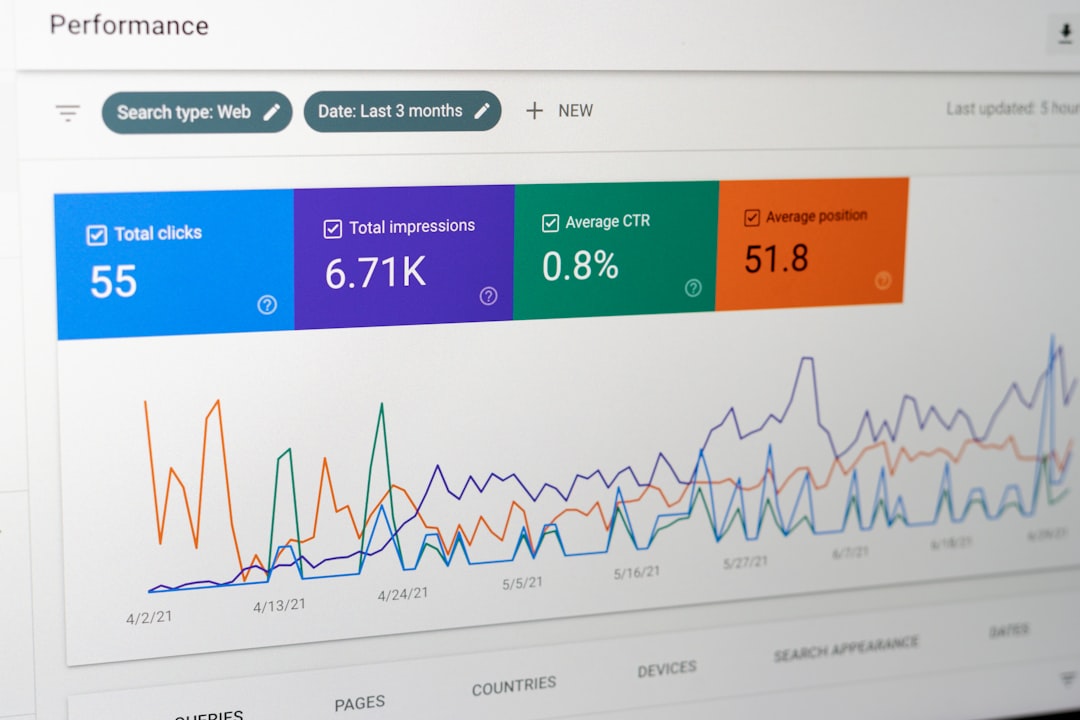
Some startups prioritize simplicity and fast onboarding, while others require deep customization for large-scale distributed systems. As a result, exploring alternatives becomes a natural step in the evaluation process.
Top Platforms Startups Explore Instead of Chronosphere
1. Datadog
Best for: All-in-one observability with strong integrations
Datadog is one of the most popular monitoring and observability platforms among startups and enterprises alike. It supports infrastructure monitoring, APM, logs, real user monitoring, and security features in a unified interface.
Why startups like it:
- Hundreds of built-in integrations.
- Intuitive dashboards.
- Cloud-native compatibility with AWS, Azure, and Google Cloud.
- Strong community and documentation.
While Datadog can become expensive at scale, its ease of use and comprehensive feature set often make it appealing to scaling startups.
2. Prometheus + Grafana
Best for: Open-source flexibility and Kubernetes-native setups
Prometheus is an open-source metrics collection system widely adopted in Kubernetes environments. When paired with Grafana for visualization, it offers a powerful and customizable monitoring stack.
Advantages:
- No licensing fees.
- Strong Kubernetes integration.
- Highly customizable dashboards.
- Large open-source community support.
Trade-offs:
- Requires engineering expertise to manage and scale.
- Manual configuration may increase operational complexity.
For technically mature startups with DevOps teams, Prometheus and Grafana provide flexibility without vendor lock-in.
3. New Relic
Best for: Application performance monitoring and developer insights
New Relic delivers full-stack observability, including APM, infrastructure monitoring, logs, and browser monitoring. Its developer-friendly approach and usage-based pricing model appeal to startups experimenting with performance optimization.
Key strengths:
- Generous free tier for smaller teams.
- Ease of installation with language-specific agents.
- Real-time monitoring and detailed transaction tracing.
New Relic’s broad capabilities allow startups to monitor both backend services and frontend applications from a single interface.
4. Dynatrace
Best for: AI-powered observability and automation
Dynatrace differentiates itself through advanced AI capabilities. Its engine automatically detects anomalies, identifies root causes, and maps dependencies across complex environments.
Benefits:
- Automated service discovery.
- Advanced root cause analysis.
- Strong enterprise-grade scalability.
Startups operating in highly dynamic cloud environments often appreciate Dynatrace’s automation, though pricing may be a consideration for early-stage companies.
5. Splunk Observability Cloud
Best for: Data-driven insights and log analytics
Splunk is well known for log management and analytics. Its Observability Cloud integrates metrics, traces, and logs into a unified experience.
Why it’s considered:
- Powerful data indexing and querying capabilities.
- Strong analytics and visualization features.
- Enterprise-level compliance and security features.
Startups handling large volumes of machine data or operating in regulated industries frequently explore Splunk for its depth of analysis.
Comparison Chart
| Platform | Best For | Pricing Model | Ease of Setup | Scalability |
|---|---|---|---|---|
| Datadog | All-in-one observability | Subscription, usage-based | Easy | High |
| Prometheus + Grafana | Open-source flexibility | Free (self-hosted) | Moderate to Complex | High (with effort) |
| New Relic | Application performance monitoring | Usage-based with free tier | Easy | High |
| Dynatrace | AI-driven automation | Enterprise pricing | Moderate | Very High |
| Splunk Observability | Log analytics | Data volume-based | Moderate | Very High |
How Startups Choose the Right Platform
Selection rarely depends on features alone. Instead, startups evaluate monitoring solutions across several strategic dimensions:
1. Growth Stage
Early-stage startups may favor cost-effective or open-source solutions, while later-stage companies often look for automation and scalability.
2. Team Expertise
If the engineering team has strong DevOps capabilities, open-source stacks like Prometheus are appealing. Smaller teams may prefer managed services.
3. Infrastructure Complexity
Microservices architectures with multiple integrations demand comprehensive observability, whereas simpler monoliths may only require APM tools.
4. Budget Constraints
Usage-based models can work well initially but may grow expensive as traffic increases. Cost forecasting becomes critical as startups scale.
Emerging Trends in Monitoring Platforms
Startups are increasingly prioritizing:
- AI-driven anomaly detection to reduce manual troubleshooting.
- Unified observability that merges logs, traces, and metrics.
- Cloud-native optimization for Kubernetes-heavy stacks.
- Security monitoring integration within DevSecOps pipelines.
The move toward automation and proactive monitoring is influencing platform choice, pushing startups to look beyond basic metric collection.
Conclusion
While Chronosphere remains a strong contender in the monitoring ecosystem, startups often explore alternatives that better align with their technical requirements, budgets, and growth trajectories. Platforms like Datadog and New Relic appeal through ease of use, Prometheus and Grafana through flexibility, Dynatrace through AI automation, and Splunk through data analytics depth.
Ultimately, there is no one-size-fits-all monitoring solution. The most successful startups carefully evaluate current infrastructure needs while anticipating future scaling challenges before committing to a platform.
Frequently Asked Questions (FAQ)
1. Why would a startup choose an alternative to Chronosphere?
Startups may seek alternatives due to pricing concerns, integration preferences, team expertise, or the desire for broader observability features beyond metrics management.
2. Is open-source monitoring better for startups?
Open-source solutions like Prometheus can reduce licensing costs and provide customization, but they require in-house expertise to manage effectively.
3. Which monitoring platform is most beginner-friendly?
Datadog and New Relic are often considered user-friendly due to their intuitive interfaces and simple onboarding processes.
4. How important is AI in monitoring platforms?
AI-powered detection and automated root cause analysis are becoming increasingly valuable, especially for startups managing complex, distributed systems.
5. Can startups switch monitoring platforms later?
Yes, but migration can be complex due to data dependencies, integrations, and retraining requirements. Evaluating scalability and flexibility early can prevent costly transitions later.
6. What is the biggest factor influencing cost?
Most monitoring platforms price based on data ingestion, hosts monitored, or feature tiers. As a startup scales, these usage-based costs can significantly increase.