

Logs are the heartbeat of cloud-native systems. Every container, every pod, every microservice talks through logs. When something breaks at 2 a.m., logs are the flashlight. For years, many teams picked Loki because it was lightweight and worked well with Kubernetes. But today, teams are exploring other options. Why? Because needs grow. Systems get complex. And “good enough” stops being enough.
TLDR: Teams are looking beyond Loki for more scalability, advanced search, better analytics, and easier management. Tools like Elasticsearch, Datadog, Splunk, OpenSearch, and Honeycomb offer richer features or simpler operations. Some focus on deep analytics. Others shine in ease of use. The best choice depends on your scale, budget, and team skills.
Loki is simple by design. It indexes metadata, not full log content. That keeps storage cheaper. It works beautifully with Grafana. But as environments grow, teams hit limits. They want faster searches. Better correlations. Built-in security features. Or less operational overhead.
Let’s explore the tools teams evaluate instead of Loki. We’ll keep it simple. No buzzword soup. Just clear pros and cons.
Contents
1. Elasticsearch (ELK Stack)
Elasticsearch is a big name in logging. It is part of the ELK Stack: Elasticsearch, Logstash, and Kibana. Many teams know it well.
Why teams like it:
- Full-text indexing of logs.
- Very powerful search capabilities.
- Rich dashboards with Kibana.
- Huge community support.
Why teams hesitate:
- Can be heavy to manage.
- Requires tuning at scale.
- Storage costs can grow quickly.
Elasticsearch shines when teams need deep search. You can drill into every word. You can create complex queries. But it demands resources. Clusters need care and feeding.
Image not found in postmetaThis tool fits teams that want control. And who have DevOps strength to manage it.
2. OpenSearch
OpenSearch is a fork of Elasticsearch. It was created to stay fully open source. Many companies see it as a flexible alternative.
Why teams like it:
- Open-source governance.
- Elasticsearch-style features.
- Strong community momentum.
- Good integration with cloud providers.
Why teams hesitate:
- Still operationally heavy.
- Scaling requires planning.
- UI less polished than some SaaS tools.
OpenSearch feels familiar to ELK users. It offers powerful indexing and analytics. For teams who worry about licensing or vendor control, it’s appealing.
3. Datadog Logs
Datadog is known for monitoring. But its logging product is strong too. It is fully managed. That means less infrastructure to run.
Why teams like it:
- No infrastructure management.
- Easy Kubernetes integration.
- Powerful correlation between logs, traces, and metrics.
- Clean and friendly UI.
Why teams hesitate:
- Costs can rise fast with high log volumes.
- Less raw control compared to self-hosted tools.
Datadog is great for speed. You plug it in. Logs start flowing. You can jump from a metric spike to related logs in seconds. That saves time during incidents.
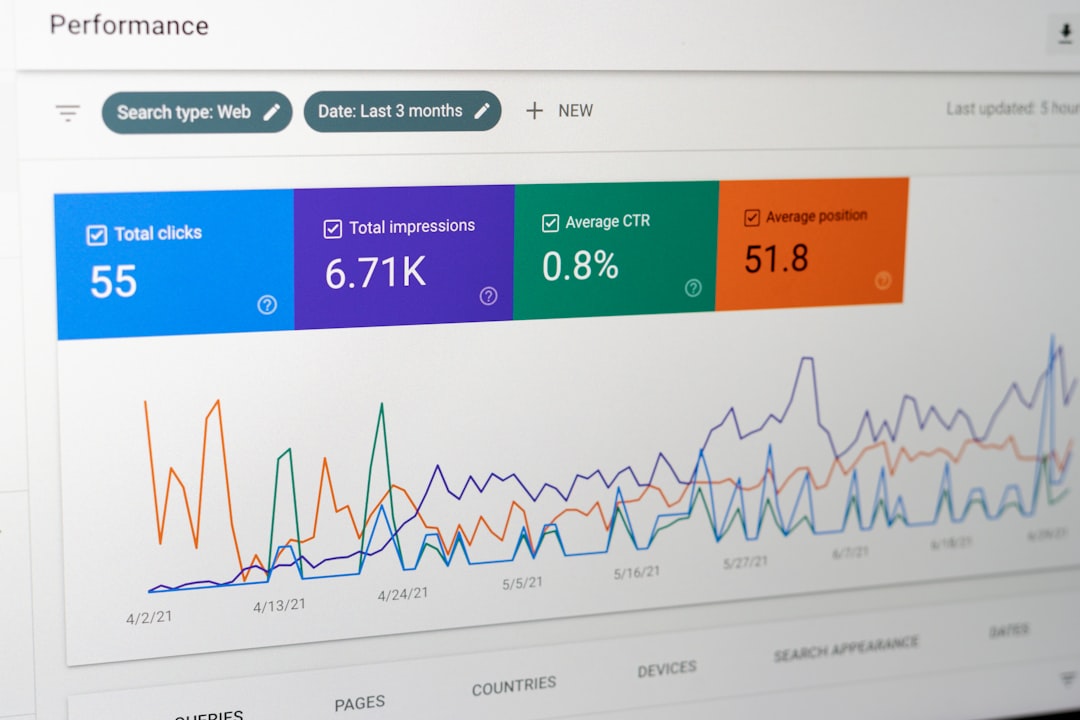
Teams with smaller DevOps staff often prefer this route. Less babysitting. More focusing on product work.
4. Splunk
Splunk is one of the oldest log giants. Big enterprises love it. It handles massive volumes.
Why teams like it:
- Enterprise-grade scalability.
- Strong security and compliance features.
- Advanced analytics and machine learning.
- Mature ecosystem.
Why teams hesitate:
- Very expensive.
- Complex licensing model.
- Steeper learning curve.
Splunk is powerful. It is built for serious scale. Think banks. Telecom companies. Governments. But the price tag makes startups pause.
5. Honeycomb
Honeycomb focuses on observability, not just logging. It is built for debugging complex systems.
Why teams like it:
- High-cardinality data handling.
- Fast, exploratory queries.
- Great for microservices.
- Encourages modern observability practices.
Why teams hesitate:
- Different mindset required.
- May not replace traditional logging fully.
Honeycomb helps answer hard questions. Like: “Why are requests slow only for users in one region using one browser?” It is powerful for complex environments.
6. Graylog
Graylog is another open-source log management platform. It sits between ELK complexity and Loki simplicity.
Why teams like it:
- Centralized log management.
- Built-in processing pipelines.
- Simpler setup than full ELK.
Why teams hesitate:
- Not as feature-rich as top enterprise tools.
- Scaling needs care.
Graylog works well for mid-sized teams. It adds structure without too much overhead.
Quick Comparison Chart
| Tool | Best For | Managed Option | Scalability | Cost Level | Ease of Use |
|---|---|---|---|---|---|
| Elasticsearch | Deep search and analytics | Yes | High | Medium to High | Medium |
| OpenSearch | Open-source flexibility | Yes | High | Medium | Medium |
| Datadog Logs | Fast setup and correlation | Yes | High | High at scale | Easy |
| Splunk | Enterprise security and scale | Yes | Very High | Very High | Hard |
| Honeycomb | Modern observability | Yes | High | Medium to High | Medium |
| Graylog | Mid-size teams | Yes | Medium | Medium | Medium |
Why Teams Move Away from Loki
Loki is still strong. But here are common reasons teams look elsewhere:
- Advanced Queries: Full-text search is sometimes needed.
- Compliance Needs: Some industries require tight audit controls.
- Scale Pressure: Massive log growth stresses simple systems.
- All-in-One Observability: Many want logs, metrics, and traces under one roof.
- Operational Complexity: Even “simple” tools grow complex at scale.

Cloud-native systems are noisy. Containers scale up and down quickly. Logs explode in volume. What worked for 50 services may struggle at 500.
How Teams Choose the Right Tool
There is no magic winner. The right choice depends on context.
Ask these questions:
- How many logs per day do we generate?
- Do we need full-text search?
- Do we want SaaS or self-hosted?
- What is our budget?
- Do we need deep security and compliance features?
- How big is our DevOps team?
A startup might pick Datadog for speed. A regulated enterprise may pick Splunk. A cost-focused team might run OpenSearch themselves. A modern platform team may choose Honeycomb.
It is not about “better.” It is about “better for us.”
The Trend: Converged Observability
Logging is no longer alone. Metrics and traces matter just as much. Teams want to move from a spike in CPU… to the exact trace… to the broken log line… in seconds.
Tools that combine:
- Logs
- Metrics
- Traces
- Security signals
are becoming more attractive.
This is why some teams shift from Loki. Loki handles logs well. But modern systems demand broader visibility.
Final Thoughts
Loki is not outdated. It remains a clever, efficient choice. But cloud-native systems evolve fast. What teams need today is richer insight. Faster queries. Easier operations. Or stronger compliance.
The good news? There are many strong options.
The smart move is simple:
- Measure your needs.
- Estimate your growth.
- Test two or three tools.
- Pick what fits today and scales tomorrow.
Logs are your system’s story. Choose the tool that helps you read it clearly. And fast. Especially at 2 a.m.