

Building backend systems is exciting. It is also serious business. Your backend runs the logic. It stores the data. It connects everything together. Many teams look at Railway.app because it is simple and friendly. But it is not the only choice. In fact, many software teams explore other platforms before deciding.
TLDR: Railway.app is great, but it is not perfect for every backend project. Teams often compare it with tools like Render, Fly.io, Heroku, DigitalOcean, AWS, Supabase, and Google Cloud. Each option has strengths and weaknesses. The best choice depends on your scale, budget, and technical needs.
Let’s explore seven platforms that software teams often evaluate instead of Railway.app. We will keep things simple. Short sentences. Clear ideas. No fluff.
Contents
1. Render
Render is a favorite among startups. It feels modern. It is easy to use. It supports web services, background jobs, and databases.
Teams like Render because:
- Automatic deploys from GitHub
- Free SSL certificates
- Managed PostgreSQL
- Clear pricing structure
It feels similar to Railway. But it gives more control for production systems. Some teams say it scales more predictably.
The downside? Cold starts on free tiers. Limited deep infrastructure control.
Still, many growing SaaS products choose Render over Railway for stability and simplicity.

2. Fly.io
Fly.io is for teams that love performance. It is built around edge computing. That means your app runs closer to your users.
This leads to:
- Lower latency
- Global scaling
- Region-based deployments
Fly.io feels more technical. More hands-on. Developers who enjoy Docker often feel at home.
You package your app as a container. Then deploy it worldwide.
This makes it attractive for:
- Real-time apps
- Gaming backends
- APIs with global traffic
The learning curve is steeper than Railway. But the power is impressive.
3. Heroku
Heroku is the classic choice. Many developers started here. It has been around for years.
Why do teams still evaluate Heroku?
- Mature ecosystem
- Huge add-on marketplace
- Strong documentation
- Enterprise support
Heroku is stable. Predictable. Polished.
But pricing can become expensive. Especially at scale.
Some teams compare Railway and Heroku directly. Railway feels lighter. Heroku feels more enterprise-ready.
If you need compliance features or advanced team management, Heroku may win.
4. DigitalOcean App Platform
DigitalOcean is known for simplicity. Its App Platform extends that goal.
You get:
- Managed infrastructure
- Simple pricing
- Integration with Droplets
- Managed databases
Teams that already use DigitalOcean often prefer keeping everything in one place.
It blends platform-as-a-service with infrastructure-as-a-service.
This gives more flexibility than Railway in some setups.
You can start simple. Then move to deeper server control later.
Growing startups like that path.
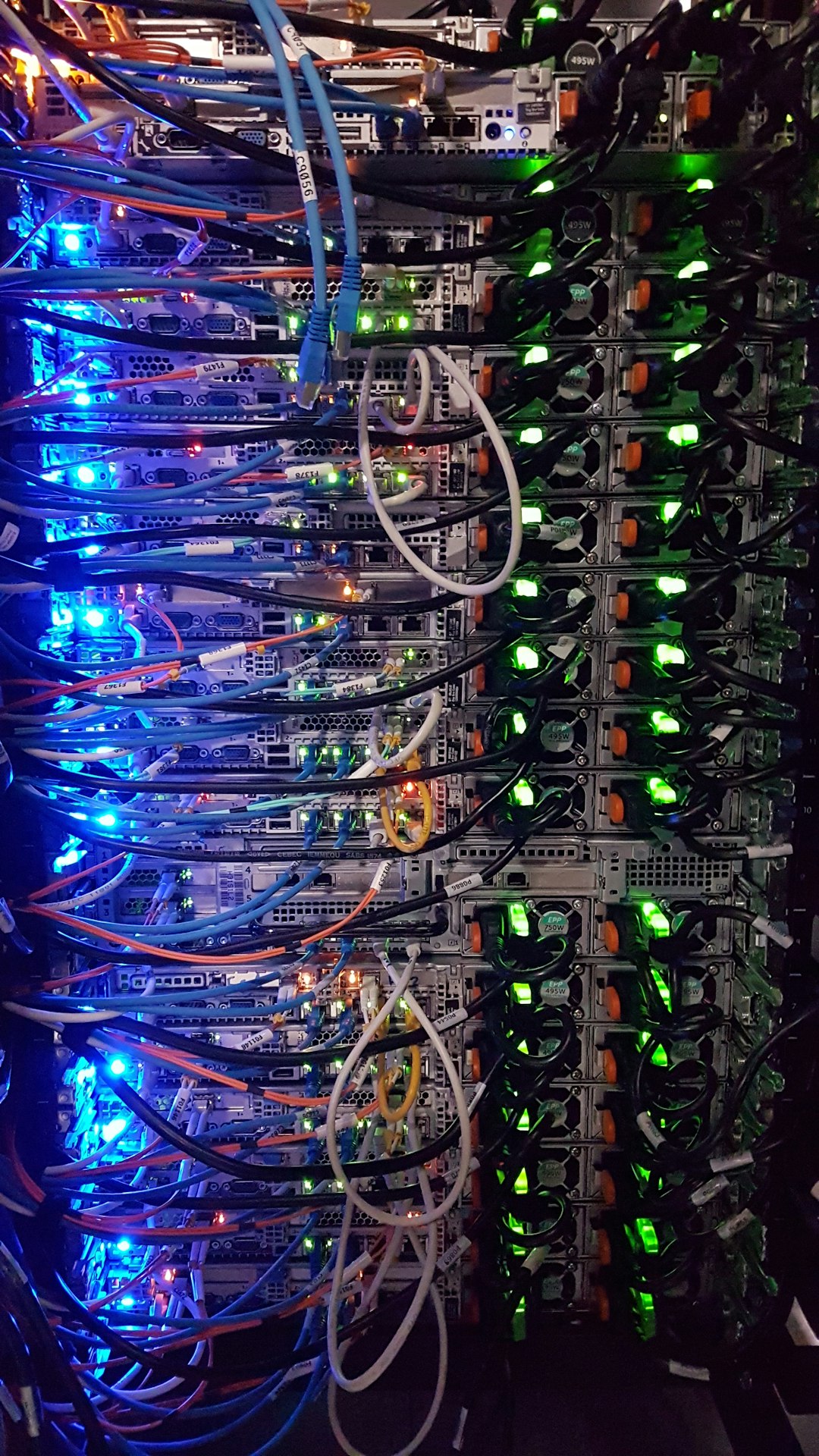
5. Amazon Web Services (AWS)
AWS is the giant. It offers almost everything.
If Railway is a compact car, AWS is a spaceship.
Teams evaluate AWS for:
- Massive scalability
- Enterprise-grade security
- Global infrastructure
- Hundreds of integrated services
You can build with:
- EC2
- Elastic Beanstalk
- Lambda
- RDS
- ECS
But here is the catch. It is complex.
You need experienced engineers. Costs can surprise you. Configuration takes time.
Still, for large-scale apps, AWS gives unmatched flexibility.
6. Supabase
Supabase is different. It focuses on backend-as-a-service.
Think of it as open-source Firebase alternative.
You get:
- PostgreSQL database
- Authentication
- Real-time subscriptions
- Storage
For many startups, this is enough. No need to manage complex servers.
Supabase works great for:
- MVP development
- Internal tools
- Rapid prototypes
Compared to Railway, Supabase is more opinionated. It centers around database-first architecture.
If your backend revolves around Postgres, it is very attractive.
7. Google Cloud Platform (GCP)
Google Cloud is another enterprise-level option.
It shines in data and AI workloads.
Teams evaluate GCP for:
- Kubernetes with GKE
- Cloud Run simplicity
- BigQuery analytics
- Strong networking
Cloud Run in particular feels close to Railway’s simplicity. You deploy a container. Google handles scaling.
But again, cost management requires attention.
Large tech companies often prefer GCP when data pipelines matter.

Quick Comparison Chart
| Platform | Best For | Ease of Use | Scalability | Cost Predictability |
|---|---|---|---|---|
| Render | Startups and SaaS | High | Medium to High | Good |
| Fly.io | Global low latency apps | Medium | High | Medium |
| Heroku | Enterprise and legacy apps | Very High | Medium | Low at scale |
| DigitalOcean | Growing startups | High | Medium | Good |
| AWS | Large scale systems | Low to Medium | Very High | Complex |
| Supabase | Database driven apps | Very High | Medium | Good |
| Google Cloud | Data heavy systems | Medium | Very High | Complex |
How Teams Decide
Choosing a backend platform is not just technical.
It depends on:
- Team size
- Budget
- Traffic expectations
- Compliance needs
- Developer experience
A two-person startup may love Supabase.
A fintech startup may require AWS for compliance.
A global social app might prefer Fly.io for speed.
A traditional SaaS company might stick with Heroku.
There is no universal winner.
Why Teams Look Beyond Railway
Railway is clean. Developer-friendly. Fast to start.
But teams explore alternatives because:
- They need deeper infrastructure control
- They worry about long-term costs
- They require advanced scaling setups
- They want multi-cloud flexibility
Exploration is healthy. It prevents lock-in. It encourages smart planning.
Final Thoughts
Backend systems are the engine of your product. Choose carefully.
Railway.app is strong for rapid development. But it is only one tool in a huge ecosystem.
Render offers balance. Fly.io delivers speed. Heroku brings maturity. DigitalOcean keeps things simple. AWS and Google Cloud offer massive power. Supabase speeds up MVPs.
Different teams. Different dreams. Different needs.
Take time to test. Deploy small experiments. Measure performance. Study pricing.
Then decide with confidence.
Your backend deserves it.