
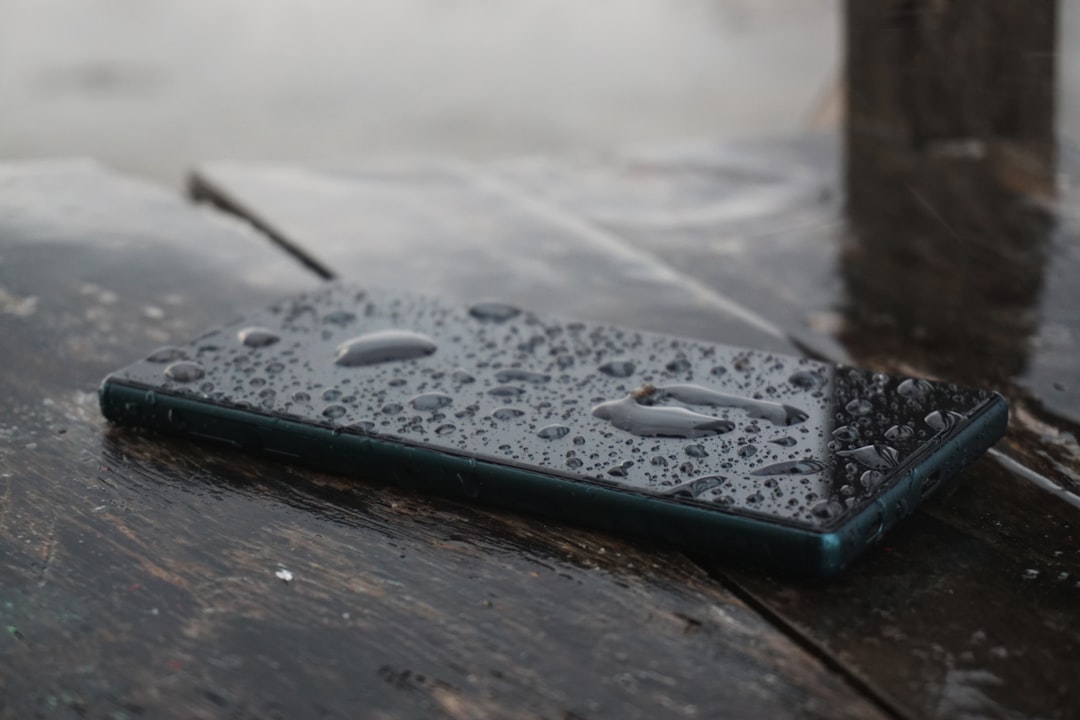
For years, Sony’s Xperia smartphones have carved out a loyal following among photography enthusiasts, audiophiles, and Android purists. With the release of the Sony Xperia VII, many tech fans expected a global rollout that included the United States. Instead, U.S. consumers once again found themselves asking the same question: why isn’t Sony selling this phone here? The answer lies in a mix of business strategy, carrier politics, market realities, and evolving competition.
TLDR: The Sony Xperia VII isn’t officially available in the U.S. because of a combination of weak past sales, high certification costs with American carriers, limited marketing investment, and Sony’s strategic focus on more profitable markets. The U.S. smartphone market is heavily dominated by Apple and Samsung, making it difficult for niche brands to compete. Rather than fight an expensive battle for small market share, Sony has chosen to prioritize regions where Xperia devices perform better.
Contents
Sony’s Complicated History in the U.S. Smartphone Market
Sony Mobile has had a rocky relationship with the U.S. market. While the company is a global electronics powerhouse—known for PlayStation, cameras, TVs, and audio gear—its smartphones have never gained strong traction in America.
Unlike in Japan and parts of Europe, Sony phones in the U.S. were often:
- Sold unlocked rather than through major carriers
- Limited in carrier compatibility
- Lightly marketed compared to competitors
- Released in small quantities
This limited approach created a cycle: low visibility led to low sales, and low sales led to even less investment.
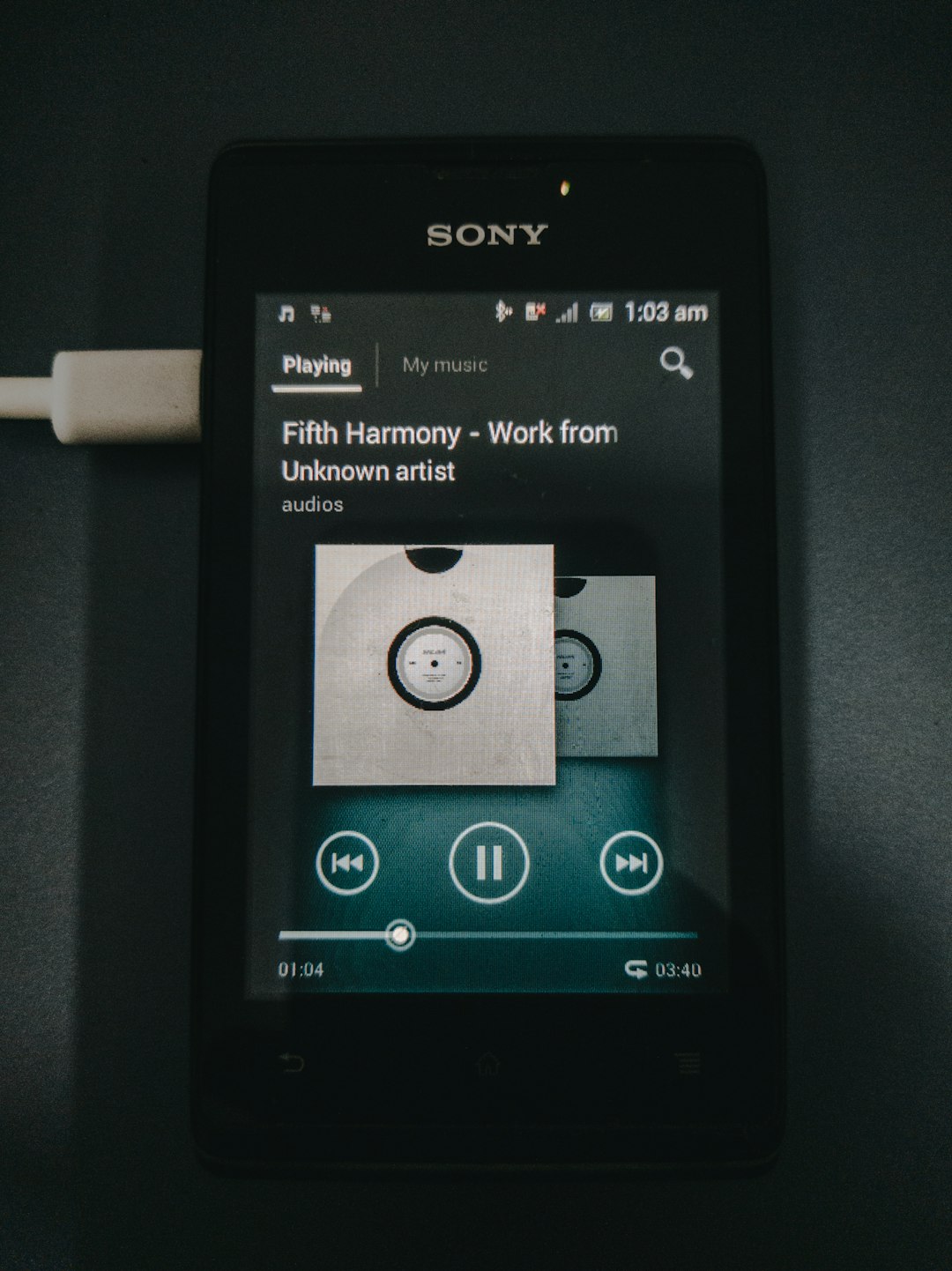
By the time the Xperia VII arrived on the global stage, Sony had already scaled back its American smartphone ambitions significantly. The decision not to officially launch it in the U.S. was less a surprise and more a continuation of a long-standing trend.
The Carrier Problem: Why It Matters So Much
In many countries, consumers commonly buy phones outright. In the United States, however, the majority of smartphone purchases still happen through carriers like Verizon, AT&T, and T-Mobile.
Carrier partnerships require:
- Extensive testing and certification
- Network optimization for 5G and LTE bands
- Software customization
- Marketing agreements
- Revenue-sharing deals
All of this costs money—often tens of millions of dollars per device launch.
For brands with massive U.S. sales projections, these costs make sense. For Sony, whose American smartphone market share has historically hovered well below 1%, the investment may not justify the returns.
Without carrier backing, Sony devices become niche unlocked purchases—something that dramatically limits mainstream adoption.
The Apple and Samsung Stronghold
The U.S. smartphone landscape is uniquely concentrated. Apple and Samsung dominate the market to an extraordinary degree.
Here’s a simplified comparison of market positioning:
| Brand | Approx. U.S. Market Presence | Carrier Support | Marketing Budget Scale |
|---|---|---|---|
| Apple | Extremely High | Full integration | Massive |
| Samsung | Very High | Full integration | Massive |
| Moderate | Strong and growing | Large | |
| Sony | Very Low | Limited or none | Modest |
Breaking into this environment is extraordinarily expensive. Even Google, with its Pixel line and virtually unlimited resources, took years to build moderate U.S. market share.
Sony’s Xperia VII—despite its premium hardware—would face an uphill battle convincing American consumers to switch from iPhones and Galaxy devices.
Niche Appeal vs. Mass Market Demand
The Xperia VII is designed with a specific type of user in mind. It often includes:
- Advanced manual camera controls inspired by Sony Alpha cameras
- Professional-grade video recording features
- 4K or high-resolution displays
- Front-facing stereo speakers
- Headphone jack support
These features excite enthusiasts, but they aren’t necessarily mainstream selling points. Most U.S. buyers prioritize:
- Battery life
- Brand familiarity
- Camera simplicity (not manual control)
- Trade-in deals
- Monthly payment plans
That mismatch between product philosophy and mainstream demand limits Xperia’s potential in the American market.
Image not found in postmetaIn essence, the Xperia VII may be too specialized for large-scale U.S. adoption.
Costs of Supporting U.S. Network Bands
The United States uses a complex mixture of wireless bands across multiple carriers. Supporting all of them requires specialized hardware configurations.
Each additional band means:
- More engineering complexity
- Additional certification testing
- Supply chain variation
- Higher production costs
If projected sales volume is low, these changes don’t make financial sense. Sony may produce a North American variant, but without wide distribution and promotion, the return on investment remains questionable.
Marketing: The Silent Decider
In the U.S., smartphones are sold as much through advertising as through hardware quality. Apple and Samsung flood:
- Television ads
- Online video platforms
- Billboards
- Carrier stores
- Social media campaigns
Sony, in contrast, has rarely invested at comparable levels for its Xperia line in the U.S.
Marketing is not just about awareness—it builds perceived reliability. When a consumer sees a brand everywhere, they feel safer buying it. Without visibility, even a technically excellent phone can seem obscure.
Strategic Refocusing on Profitable Regions
Rather than spread resources thin, Sony appears to concentrate Xperia sales in markets where:
- The brand has stronger recognition in mobile
- Carrier relationships are more favorable
- Consumers are more receptive to premium unlocked devices
- Competition is less concentrated
Japan, parts of Europe, and some Asian markets align better with Xperia’s boutique, high-end positioning.
From a business perspective, it’s often smarter to dominate a small segment in select regions than to struggle for survival in an ultra-competitive one.
Importing the Xperia VII: A Workaround?
While Sony doesn’t officially sell the Xperia VII in the U.S., some enthusiasts import it. However, this comes with drawbacks:
- Limited warranty support
- Partial network compatibility
- No carrier financing
- Potential 5G limitations
- Higher upfront costs
For tech-savvy buyers, these trade-offs may be acceptable. For everyday consumers, they are dealbreakers.
Is the Decision Permanent?
Technology markets evolve quickly. Three factors could influence Sony’s future U.S. availability:
- Shift in Carrier Policies: If carriers become more open to niche manufacturers.
- Growth of Unlocked Sales: If more Americans buy phones directly rather than through carriers.
- Strategic Reinvestment: If Sony decides smartphones are worth heavier marketing investment in North America.
However, as of now, the Xperia line appears positioned as a premium global niche product, not a mass-market American competitor.
The Bigger Picture: Sony’s Broader Business Priorities
It’s also important to view Xperia within Sony’s larger corporate strategy. Sony generates significant revenue from:
- PlayStation gaming
- Image sensors (used even in competitor smartphones)
- Film and music production
- Professional camera equipment
- Consumer electronics
Smartphones represent only a small slice of its portfolio. Unlike Apple or Samsung, Sony is not dependent on phone sales for survival. That reality reduces pressure to fight aggressively for U.S. smartphone share.
Final Thoughts
The absence of the Sony Xperia VII from the U.S. market isn’t about product quality. In fact, many reviewers praise Xperia devices for their design, display quality, and camera versatility. Instead, the issue boils down to strategy and economics.
The American smartphone market is uniquely expensive, carrier-driven, and dominated by just a few giants. For Sony, the cost of competing may outweigh the benefits.
For enthusiasts, the Xperia VII remains an intriguing device—one that represents Sony’s dedication to creative professionals and audio-visual excellence. But unless market conditions shift dramatically, it may continue to exist as a coveted import rather than a mainstream U.S. option.
In the end, the story of the Xperia VII in America isn’t about rejection. It’s about strategic focus—and knowing which battles are worth fighting.