
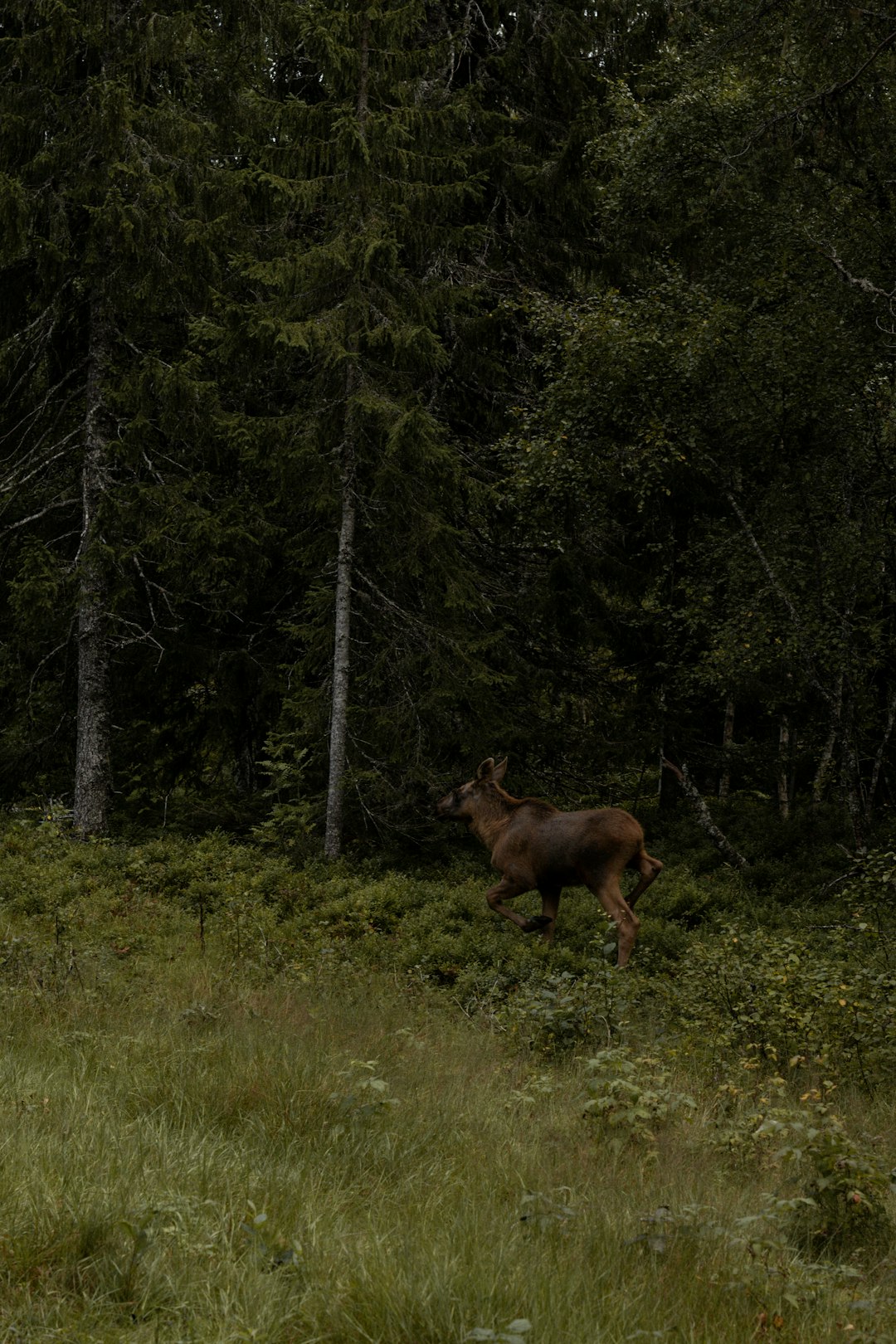
Norway is known for its breathtaking landscapes, vast forests, and diverse wildlife. From the elusive lynx and majestic moose to soaring eagles and thriving populations of deer, animals are an essential part of the country’s natural identity. But behind the scenes, maintaining the balance between conservation, hunting traditions, and land use is a complex responsibility. That’s where Viltnemnda plays a crucial role: a key local institution working to safeguard Norway’s rich biodiversity and sustainable wildlife management.
Contents
TLDR: What is Viltnemnda and Why Does it Matter?
Viltnemnda is a locally appointed committee in Norwegian municipalities responsible for managing wildlife at the community level. It ensures that hunting practices are sustainable, populations are monitored, and human-wildlife conflicts are minimized. These committees act as a bridge between national wildlife laws and local implementation, making sure that protection and use are balanced for long-term ecosystem health. Their work is central to preserving Norway’s ecological heritage.
Who or What is Viltnemnda?
The name Viltnemnda translates to “The Wildlife Committee” in English. It is a democratically appointed committee found in most municipalities across Norway. Its members are usually locals—many with backgrounds in farming, game tracking, hunting, or ecology—appointed by municipal governments to oversee wildlife management within their jurisdiction.
Although their authority stems from national regulations, particularly the Wildlife Act (Viltloven), Viltnemnda operates on a local level and addresses region-specific wildlife concerns. This decentralization is essential in a country like Norway, where environmental and ecological conditions vary widely across regions—from the Arctic north to the fjord-lined west.
Key Responsibilities of Viltnemnda
Viltnemnda has a wide range of tasks that help protect biodiversity while also supporting traditional activities such as hunting and outdoor recreation. Here are some of their main duties:
- Monitoring Wildlife Populations: Gather data on various species, track population sizes, study migration patterns, and identify possible threats.
- Recommending Hunting Quotas: Suggest annual limits for hunting specific animals like moose, deer, and carnivores based on available data.
- Resolving Human-Wildlife Conflicts: Intervene when animals wander too close to urban zones, attack livestock, or create dangerous situations on roads or farmland.
- Handling Applications and Permits: Evaluate whether special licenses (e.g. for culling or scientific study) should be issued for certain activities involving wildlife.
- Information and Public Education: Help inform citizens about best practices for coexistence, seasonal animal behaviors, or changes in regulations.
Why Local Management Matters
Norwegians have a strong cultural attachment to nature. Hunting, fishing, and outdoor life—or friluftsliv—are celebrated national pastimes. But balancing use with conservation requires knowledge that is often best understood by local residents. That’s why having wildlife committees embedded within municipalities is valuable. These committees understand area-specific challenges, know the terrain, and are often connected to the people living off the land.
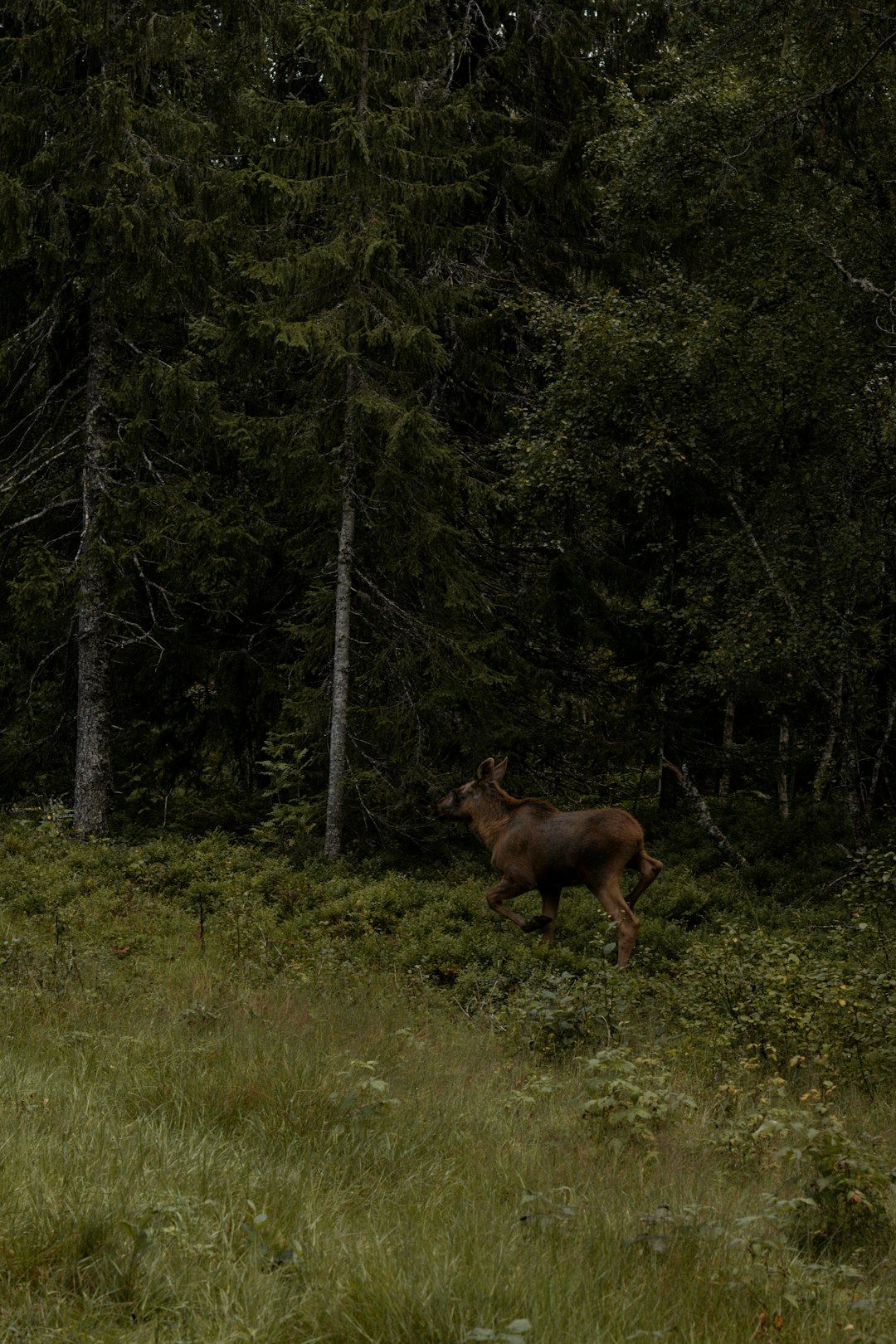
A good example is the management of moose populations. Too few, and it affects biodiversity and hunting income. Too many, and the risk of moose-vehicle accidents or over-browsing becomes a serious problem. Viltnemnda collects data and assesses local conditions to propose hunting quotas that reflect the area’s needs.
The Legal Framework: Viltloven
Viltnemnda operates under the umbrella of the Norwegian Wildlife Act (Lov om jakt og fangst av vilt, also known as Viltloven). This law outlines the responsibilities of municipal and national authorities, rules for hunting, and methods for managing various species. Everything, from protecting endangered species to controlling invasive ones, falls under its scope.
The decentralized nature of the system ensures adaptability. While the Norwegian Environment Agency (Miljødirektoratet) oversees national policy and compliance, day-to-day decisions are often left to the municipalities—and thus to their local wildlife committees. This setup allows for decisions that reflect current ground realities instead of top-down assumptions.
Crucial in Emergencies: Viltnemnda and Wildlife Crises
Viltnemnda sometimes steps in during emergencies where wildlife poses an immediate danger. For example, if a bear is spotted near homes or a diseased deer is found in a populated area, the committee can act swiftly. They may collaborate with police, veterinarians, or conservation officers to respond quickly and safely.
This role was especially visible during outbreaks of Chronic Wasting Disease (CWD) in reindeer. Local Viltnemndas played an integral role in gathering samples, erecting informational signs, and organizing culling when necessary.

Involving the Public
One admirable aspect of Norway’s wildlife governance is its inclusivity. Citizen involvement is encouraged, and hunters and hikers often report sightings or suspicious activity to local committees. People can also attend public meetings where wildlife strategies and quotas are discussed before implementation.
This openness has several benefits:
- Enhances community trust and transparency.
- Promotes more accurate wildlife data collection through citizen science.
- Strengthens cooperation between authorities and civilians, leading to more effective policies.
Moreover, by engaging directly with the public, Viltnemnda helps build a sense of shared responsibility for the stewardship of Norway’s environment.
Training and Expertise
While committee members may not always be professional biologists, they are often well-trained and highly knowledgeable in wildlife behavior, tracking, and ecology. Many undergo certification courses provided by national agencies or wildlife organizations to ensure decisions are based on current science and ethical practices.
This hybrid model—combining local knowledge with formal training—allows Viltnemnda to make informed recommendations that serve both nature and human communities.
Challenges Ahead
Norwegian ecosystems are facing new types of pressure: climate change, urban expansion, and changing migratory patterns due to global warming. In this evolving landscape, Viltnemnda must continually adapt.
Some key challenges include:
- Managing predator populations: Balancing wolf conservation with livestock safety creates heated debates.
- Climate change: Earlier springs affect breeding cycles and wildlife migrations, requiring updated monitoring strategies.
- Invasive species control: Non-native species like raccoon dogs are entering Norway and disrupting native ecosystems.
To meet these challenges, Viltnemnda collaborates closely with researchers, environmental agencies, and international organizations whenever needed.
Conclusion: Guardians of the Wild
Viltnemnda may not be a household name, even within Norway, but its influence is deeply rooted in how the country coexists with its wild inhabitants. These local committees bridge the gap between national law and community values, using science, tradition, and civic engagement to protect wildlife for future generations.
In a world increasingly removed from nature, Norway’s model—grounded in local empowerment, ecological respect, and shared responsibility—offers valuable lessons. Whether you’re an avid hiker stepping through a mossy forest, or a local farmer protecting your sheep, chances are, Viltnemnda has had a hand in shaping the world around you.