
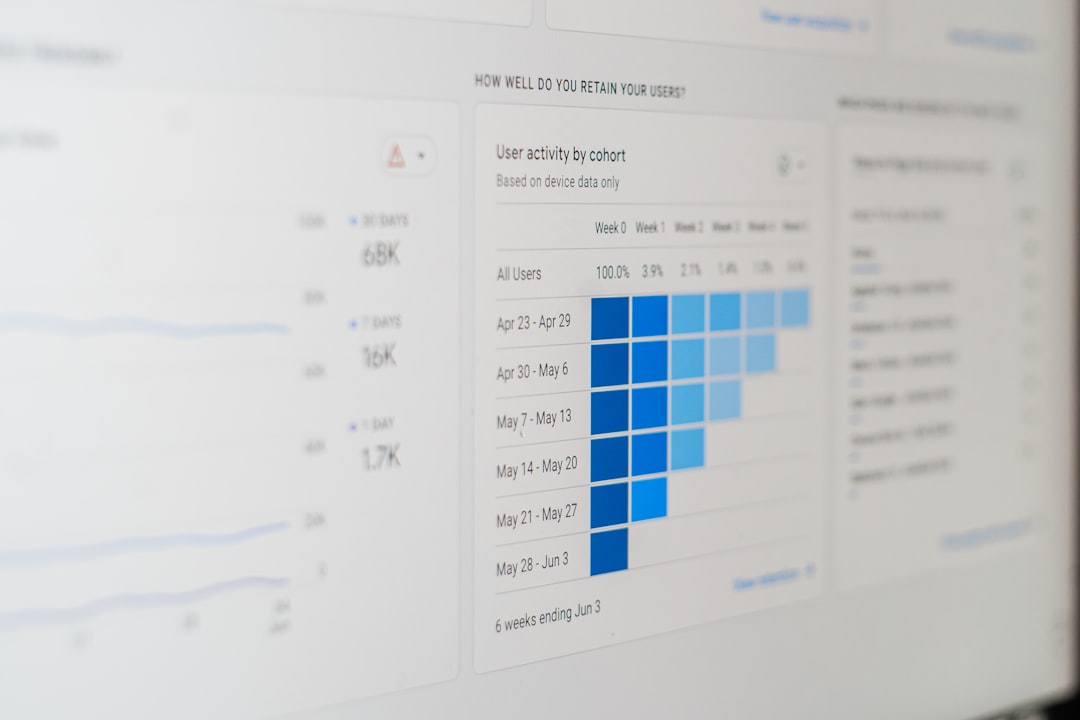
Player retention is the lifeblood of modern game development. Acquiring users is expensive, competition is intense, and sustainable growth depends on keeping players engaged long after their first session. This is where game telemetry analytics platforms become mission-critical. By collecting, visualizing, and interpreting player behavior data, these tools allow studios to make informed decisions that improve onboarding, balance gameplay, optimize monetization, and ultimately increase long-term retention.
TL;DR: Game telemetry analytics platforms help developers understand player behavior and reduce churn through actionable data insights. Tools like GameAnalytics, Unity Analytics, PlayFab, and Amplitude offer specialized features for tracking engagement, segmentation, funnels, and monetization metrics. Choosing the right platform depends on your game’s scale, infrastructure, and data needs. Investing in analytics early can dramatically improve retention and lifetime value.
Below are four trusted telemetry analytics platforms that consistently help developers turn raw gameplay data into measurable retention gains.
Contents
1. GameAnalytics
Best for: Indie studios and mid-sized teams seeking a dedicated game analytics solution.
GameAnalytics has established itself as one of the most developer-friendly platforms focused exclusively on gaming. Its SDK is lightweight, easy to integrate, and designed specifically for tracking player progression, churn patterns, and in-game economies.

Key Strengths:
- Retention Tracking: Day 1, Day 7, and Day 30 retention metrics available out-of-the-box.
- Funnel Analysis: Identify where players drop off during tutorials or level progression.
- Progression Events: Track difficulty spikes and level completion rates.
- Real-time Dashboards: Immediate performance monitoring after updates.
GameAnalytics excels at answering critical retention questions such as:
- Where do most new players churn?
- Which levels cause frustration or abandonment?
- How do different cohorts perform over time?
Its cohort analysis tools make it easy to compare retention before and after feature updates. Developers can quickly see whether a new onboarding flow actually improves Day 1 retention or unintentionally increases churn.
For studios without large data science teams, GameAnalytics offers a practical balance between depth and usability, allowing teams to act quickly on behavioral insights.
2. Unity Analytics
Best for: Studios building within the Unity ecosystem.
Unity Analytics integrates directly into Unity’s engine, making it a seamless choice for developers already using Unity for production. Its tight engine integration gives developers access to in-editor metrics and customized event tracking without complex setup.
Core Features for Retention:
- Custom Event Tracking: Monitor player actions such as ability usage, session length, and achievements.
- Audience Segmentation: Divide players by skill level, geography, device type, or monetization behavior.
- Funnel and Path Analysis: Visualize player journeys step by step.
- Remote Config: Adjust gameplay parameters without deploying a new build.
The standout feature is Remote Config, which enables teams to adjust difficulty curves, rewards, or in-game economies in real time. For example, if data shows a sharp drop-off at a specific boss fight, developers can tweak difficulty instantly and measure the effect on completion rates.
Because Unity Analytics integrates with other Unity Gaming Services, it also supports:
- In-app purchase tracking
- Ad revenue analysis
- Cross-platform reporting
This makes it particularly powerful for free-to-play games where retention and monetization are tightly interconnected.
3. PlayFab (Microsoft)
Best for: Live service games and developers needing backend infrastructure alongside analytics.
PlayFab goes beyond pure analytics by combining backend services with telemetry insights. Now part of Microsoft, it provides scalable live operations tools, cloud scripting, and advanced segmentation alongside behavioral tracking.
Retention-Focused Capabilities:
- Advanced Player Segmentation: Build behavioral cohorts such as “high spenders,” “lapsed users,” or “competitive players.”
- LiveOps Automation: Trigger targeted promotions or rewards.
- A/B Testing: Test different gameplay adjustments at scale.
- Churn Prediction Models: Identify at-risk players before they leave.
PlayFab is particularly valuable for studios managing long-term online games. Its segmentation tools allow precise intervention strategies. For example, if a player shows declining session frequency, the system can automatically trigger:
- A personalized retention offer
- Bonus login rewards
- Exclusive limited-time content
This proactive approach transforms analytics from passive reporting into active retention management. Additionally, PlayFab integrates well with Azure’s machine learning capabilities, making it suitable for studios implementing predictive models.
4. Amplitude
Best for: Data-driven studios wanting deep behavioral analysis.
While not exclusively built for gaming, Amplitude is widely adopted by larger studios seeking advanced behavioral analytics. It is particularly strong in event-based tracking and user journey mapping.
Why Amplitude Stands Out:
- Behavioral Cohorting: Build dynamic audiences based on complex event combinations.
- Retention Curves: Visualize user stickiness over custom time intervals.
- Pathfinder Analysis: Identify common sequences leading to churn or conversion.
- Predictive Analytics: Estimate lifetime value and churn probabilities.
Amplitude allows teams to explore data at a granular level. For example, developers can isolate players who:
- Completed the tutorial
- Made no purchase in the first week
- Stopped playing after failing Level 5
By identifying patterns across these behavioral paths, teams gain clarity about structural retention problems, not just surface-level metrics.
The trade-off is complexity. Amplitude offers immense analytical depth, but it typically requires a more mature data strategy and dedicated analysts to fully leverage its capabilities.
Comparison Chart
| Platform | Best For | Ease of Integration | Advanced Segmentation | LiveOps Support | Ideal Studio Size |
|---|---|---|---|---|---|
| GameAnalytics | Dedicated game analytics | Very Easy | Moderate | Limited | Indie to Mid-size |
| Unity Analytics | Unity developers | Seamless in Unity | Strong | Moderate | Small to Large |
| PlayFab | Live service games | Moderate | Advanced | Extensive | Mid-size to Enterprise |
| Amplitude | Deep behavioral analytics | Moderate | Very Advanced | Indirect | Data-driven Large Studios |
How Telemetry Improves Player Retention
Regardless of the platform selected, effective telemetry analytics directly impacts retention through:
- Improved Onboarding: Identify tutorial abandonment points.
- Balanced Difficulty: Detect spikes in failure rates.
- Personalized Experiences: Segment users for tailored content.
- Faster Iteration: Measure patch performance immediately.
- Churn Prevention: Predict and intervene before players disengage.
Retention is rarely improved by guesswork. Data-backed iteration ensures that adjustments to progression systems, economies, or engagement loops are validated by measurable improvements rather than intuition alone.
Choosing the Right Platform
When evaluating telemetry analytics platforms, consider:
- Your Engine: Unity developers benefit from native integration.
- Your Game Model: Live service games require stronger LiveOps tools.
- Team Expertise: Advanced tools demand skilled analysts.
- Scale: Enterprise platforms may be excessive for small teams.
No platform is universally superior. The best choice depends on how deeply your team intends to integrate data into its development culture.
Final Thoughts
Player retention is not accidental. It is engineered through structured experimentation, precise measurement, and disciplined iteration. Game telemetry analytics platforms such as GameAnalytics, Unity Analytics, PlayFab, and Amplitude provide the infrastructure necessary to understand player behavior at scale.
Studios that embrace analytics early gain a competitive advantage: they identify friction faster, respond to churn proactively, and build player experiences grounded in evidence rather than assumption. In today’s market, serious developers treat telemetry not as an optional add-on, but as a core pillar of sustainable game development.