
SAS has long been recognized as a major provider of analytics, artificial intelligence, and data management solutions for organizations that need trusted insights at scale. Its product ecosystem supports industries such as banking, healthcare, retail, government, insurance, manufacturing, and telecommunications. This guide explains the major SAS products, how they fit together, and where they are most useful for modern data-driven teams.
TLDR: SAS offers a broad portfolio for analytics, AI, machine learning, data management, fraud detection, risk modeling, and business intelligence. A retail company, for example, could use SAS Viya to analyze 10 million monthly transactions and improve demand forecasting accuracy by 15% while reducing stockouts. SAS products are especially valuable for enterprises that need governed data, explainable models, and scalable decisioning. The core platform is SAS Viya, which connects many of the company’s analytics and AI capabilities.
Contents
What Is SAS?
SAS, originally known for statistical analysis software, has evolved into a comprehensive analytics and AI technology provider. Its solutions help organizations collect, prepare, analyze, model, deploy, and monitor data-driven decisions. Rather than offering only one tool, SAS provides an integrated environment that serves both technical and business users.
The SAS portfolio is often used in environments where accuracy, compliance, governance, and auditability are critical. Financial institutions use it for risk scoring and fraud prevention, healthcare organizations use it for population health analytics, and public agencies use it for policy planning and operational intelligence.

SAS Viya: The Core Analytics and AI Platform
SAS Viya is the cloud-ready platform at the center of the modern SAS ecosystem. It supports analytics, machine learning, data preparation, model deployment, and decision management in a single environment. Viya can run in cloud, hybrid, or on-premises environments, giving organizations flexibility based on security and infrastructure needs.
Key capabilities of SAS Viya include:
- Data preparation: Users can clean, transform, and integrate data from multiple sources.
- Advanced analytics: Analysts can run statistical models, forecasting, optimization, and simulation.
- Machine learning: Data scientists can build, compare, and deploy predictive models.
- Model governance: Teams can monitor performance, bias, drift, and compliance.
- Collaboration: Business users, analysts, and developers can work in shared workflows.
SAS Viya supports programming in SAS, Python, R, and open APIs, which makes it useful for organizations with mixed technical teams. It gives traditional SAS users continuity while also allowing modern data science teams to use familiar open-source languages.
SAS Visual Analytics
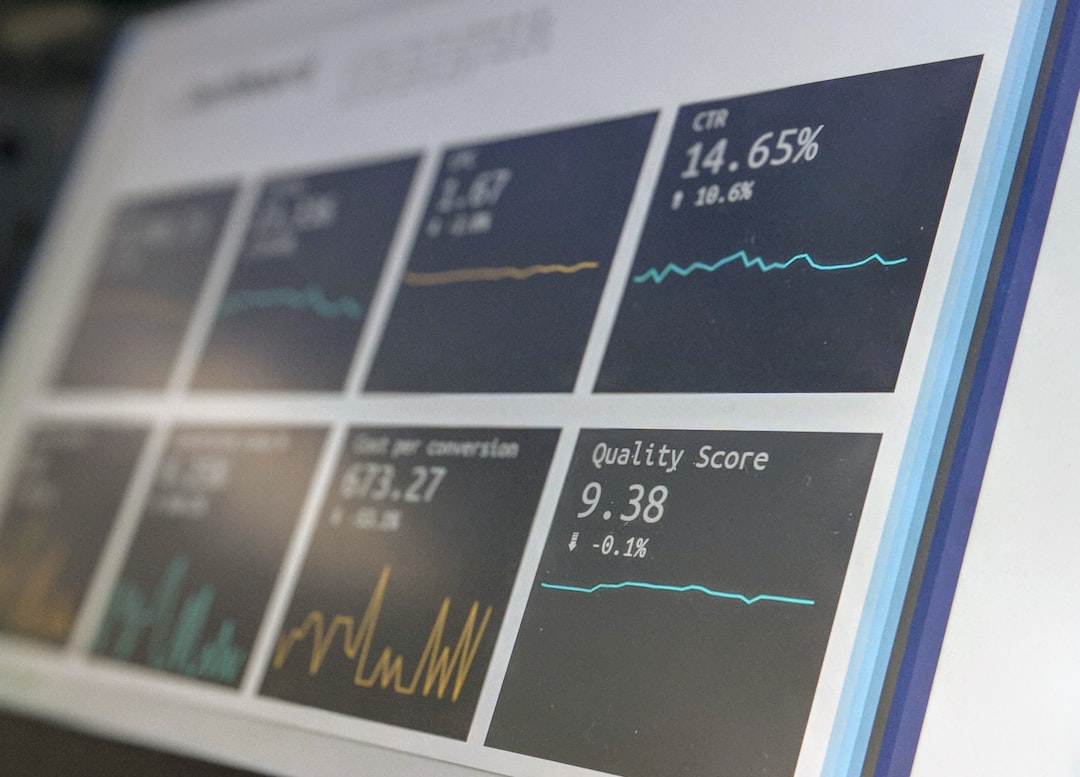
SAS Visual Analytics is designed for business intelligence, reporting, and interactive dashboards. It allows users to explore data visually, identify trends, and share insights across departments. Its strength lies in combining easy-to-use visualization features with the depth of SAS analytics.
Business teams can create charts, drill-down reports, geographic maps, and executive dashboards without always relying on IT. For example, a healthcare network could use SAS Visual Analytics to track patient admissions, regional service demand, and readmission rates across 25 hospitals.
Best use cases include sales performance tracking, operational reporting, customer segmentation, claims analysis, and financial dashboards.
SAS Visual Data Mining and Machine Learning
SAS Visual Data Mining and Machine Learning supports the full machine learning lifecycle. It enables users to create predictive models through a visual interface or code-based workflows. Data scientists can test models such as decision trees, neural networks, gradient boosting, regression, and natural language processing models.
This product is useful for organizations that want to accelerate model development while maintaining governance. Users can compare algorithms, automatically tune models, and deploy the best-performing version into production. It also supports explainability, which is important in regulated industries where teams must understand why a model made a certain prediction.

SAS Data Management
SAS Data Management helps organizations improve the quality, consistency, and usability of their data. Since analytics and AI are only as reliable as the data behind them, this product plays a central role in the SAS ecosystem.
Its capabilities include:
- Data integration: Combining information from databases, applications, cloud platforms, and external sources.
- Data quality: Identifying duplicates, missing values, inconsistent formats, and incorrect records.
- Data governance: Creating trusted rules, lineage, and ownership structures.
- Master data management: Maintaining consistent records for customers, products, suppliers, or assets.
For example, an insurance company may use SAS Data Management to unify policyholder records from multiple systems. If duplicate customer profiles are reduced by 30%, customer service, claims processing, and marketing analytics all become more reliable.
SAS Intelligent Decisioning
SAS Intelligent Decisioning helps organizations automate complex business decisions. It combines rules, analytics, models, and real-time data to support consistent decision-making. This is especially useful in areas such as credit approvals, fraud alerts, marketing offers, and claims routing.
Instead of relying only on static rules, SAS Intelligent Decisioning can incorporate predictive scores and AI models. For instance, a bank may evaluate a loan application by combining credit history, income, fraud risk, customer behavior, and regulatory rules in seconds.
SAS Fraud and Security Intelligence
SAS Fraud and Security Intelligence is designed to detect suspicious activity across banking, insurance, government, and healthcare. It uses analytical models, network analysis, anomaly detection, and automated alerts to identify potential fraud earlier.
Organizations can use it to detect payment fraud, identity theft, tax fraud, procurement fraud, and insider threats. A financial institution processing 2 million transactions per day could use SAS fraud analytics to flag high-risk transactions in real time and reduce false positives through smarter scoring.
SAS Risk Management Solutions
SAS is widely known in the financial sector for its risk management capabilities. Its risk products support credit risk, market risk, liquidity risk, stress testing, capital planning, and regulatory reporting.
These tools are valuable because risk teams need transparent calculations, repeatable processes, and strong audit trails. Banks and insurers often use SAS to meet regulatory expectations while improving internal decision-making. The software helps risk professionals model future scenarios, estimate potential losses, and understand portfolio exposure.
SAS Customer Intelligence
SAS Customer Intelligence helps marketing and customer experience teams understand behavior, personalize engagement, and optimize campaigns. It uses data from web activity, transactions, customer service, email, mobile interactions, and loyalty programs.
With these insights, businesses can deliver better offers, reduce churn, and improve customer lifetime value. A telecom provider, for example, could identify customers with a 70% likelihood of leaving and target them with retention offers before they cancel.

Who Should Use SAS Products?
SAS products are best suited for organizations that need enterprise-grade analytics, strong compliance, and scalable AI. While smaller teams may use lighter tools for basic reporting, SAS is often selected when data complexity, regulatory needs, or model governance requirements increase.
Common users include:
- Data scientists building predictive and machine learning models.
- Business analysts creating reports, dashboards, and forecasts.
- Risk managers modeling exposure and regulatory requirements.
- Marketing teams personalizing customer journeys.
- IT and data teams managing data quality, access, and integration.
- Executives monitoring performance and strategic KPIs.
Key Benefits of the SAS Product Ecosystem
The main advantage of SAS is that it connects data management, analytics, AI, and operational decisioning. This reduces the gap between building a model and applying it in real-world business processes.
Major benefits include:
- Scalability: SAS can support large data volumes and enterprise workloads.
- Governance: Teams can track data lineage, model usage, and decision logic.
- Explainability: Models can be interpreted and documented for compliance.
- Flexibility: SAS works with cloud platforms, open-source tools, and existing enterprise systems.
- Industry focus: Many products are built for specific needs in banking, healthcare, retail, and government.
FAQ
What is the main SAS product?
The main modern SAS platform is SAS Viya. It supports analytics, AI, machine learning, data preparation, governance, and deployment.
Is SAS used for artificial intelligence?
Yes. SAS provides AI and machine learning capabilities through products such as SAS Viya and SAS Visual Data Mining and Machine Learning.
Is SAS only for large enterprises?
SAS is most common in medium to large organizations, especially those with complex data, compliance needs, or advanced analytics requirements.
Can SAS work with Python and R?
Yes. SAS Viya supports integration with Python, R, SAS code, APIs, and other modern data science tools.
Which industries use SAS the most?
SAS is widely used in banking, insurance, healthcare, government, retail, manufacturing, telecommunications, and education.
What is SAS best known for?
SAS is best known for advanced analytics, statistical modeling, risk management, fraud detection, data management, and enterprise AI governance.