
Account-based marketing can sound fancy. It can also sound like a robot in a suit. But the idea is simple. Instead of marketing to everyone, you pick the accounts that matter most. Then you treat them like VIP guests at a very smart party.
TLDR: ABM analytics helps you see which target accounts are interested, ready, or ignoring you. It uses data from emails, ads, websites, sales calls, and more. This helps marketing and sales focus on the right companies at the right time. The result is less guessing and more winning.
Contents
What Is ABM Analytics?
ABM analytics is the data side of account-based marketing. It shows what your target accounts are doing. It helps you answer big questions in a simple way.
- Which accounts are visiting your website?
- Who is opening your emails?
- Which companies are clicking your ads?
- Which accounts are moving closer to a sale?
- Where should sales spend time today?
Think of it like a scoreboard. But instead of points in a game, you track interest. You track action. You track progress. Without analytics, ABM is like throwing darts in the dark. With analytics, someone turns the lights on.
Why Data Matters in ABM
ABM is not about sending random messages. It is about sending the right message to the right account at the right time. That is hard to do with gut feeling alone.
Data gives you clues. Lots of little clues. One website visit may not mean much. But five visits from the same company? Three ad clicks? A white paper download? Now we have a story.
Data helps you spot buying signals. These are signs that an account may be ready to talk. It also helps you avoid wasting time. If an account has no activity at all, maybe it is not ready yet. No hard feelings. They can stay on the bench for now.
The Main Types of ABM Analytics
ABM analytics can feel big. So let’s break it down into friendly chunks.
1. Account Engagement
This shows how much an account is interacting with your brand. It may include website visits, email opens, content downloads, webinar attendance, and ad clicks.
High engagement means an account is paying attention. Low engagement means they may need more warming up. Or maybe they are just busy. People do have meetings. So many meetings.
2. Website Behavior
Your website is full of useful signals. ABM analytics can show which target accounts visit your site. It can also show what pages they view.
If an account visits your pricing page, that matters. If they read three case studies, that matters too. If they only visit your careers page, maybe they just want a job. Still useful, but not the same thing.
3. Campaign Performance
ABM campaigns can include ads, emails, direct mail, events, and social outreach. Analytics tells you what is working.
- Which ads get clicks?
- Which emails get replies?
- Which content gets viewed?
- Which channels bring meetings?
This helps you stop doing what flops. It helps you do more of what works. Simple. Beautiful. Very satisfying.
4. Pipeline Impact
This is where marketing meets money. Pipeline analytics shows how ABM affects sales opportunities.
It can help you see if engaged accounts become qualified leads. It can show if they move faster through the sales process. It can also show if they close at higher values.
This matters because clicks are nice. But revenue pays for snacks. And software. And salaries. Mostly snacks, though.
5. Account Scoring
Account scoring gives target accounts a score based on behavior and fit. A company that matches your ideal customer profile gets points. A company that visits important pages gets more points. A company that engages with sales gets even more points.
Sales teams can use these scores to prioritize outreach. No more asking, “Who should I call?” The data points and says, “Start here.”

How ABM Analytics Improves Marketing
ABM analytics makes marketing sharper. It helps teams stop shouting into the void. Instead, they can speak directly to the accounts that matter.
Here are a few ways data helps.
Better Targeting
You can see which types of accounts respond best. Maybe finance companies love your webinars. Maybe healthcare accounts click your ads but never book demos. Maybe tech companies are reading your comparison pages like detective novels.
These patterns help you refine your target list. You can focus on accounts that are more likely to care.
Better Personalization
Personalization is not just adding a company name to an email. That is cute, but not enough.
Real personalization means knowing what the account cares about. If an account keeps reading content about security, send more security content. If they check pricing, offer a buyer’s guide. If they attend a product webinar, follow up with a demo invite.
Data turns generic marketing into useful marketing.
Better Timing
Timing is huge. Contacting an account too early can feel pushy. Contacting too late can mean losing the deal.
ABM analytics helps you find the sweet spot. If engagement spikes, sales can reach out. If activity drops, marketing can nurture. No panic. Just smart moves.
How ABM Analytics Helps Sales
Sales teams do not need more noise. They need clear signals. ABM analytics gives them context.
Instead of saying, “This account is in our campaign,” marketing can say, “This account had four visitors on the site this week, viewed pricing twice, and downloaded a case study.”
That is much better. It gives sales a reason to reach out. It also gives them something helpful to say.
For example:
- “I saw your team has been exploring ways to improve onboarding.”
- “Many companies in your industry use this case study when comparing options.”
- “Would it help if I shared a quick checklist?”
That feels helpful. Not creepy. The goal is to use data with care. Be useful, not weird.
Important ABM Metrics to Track
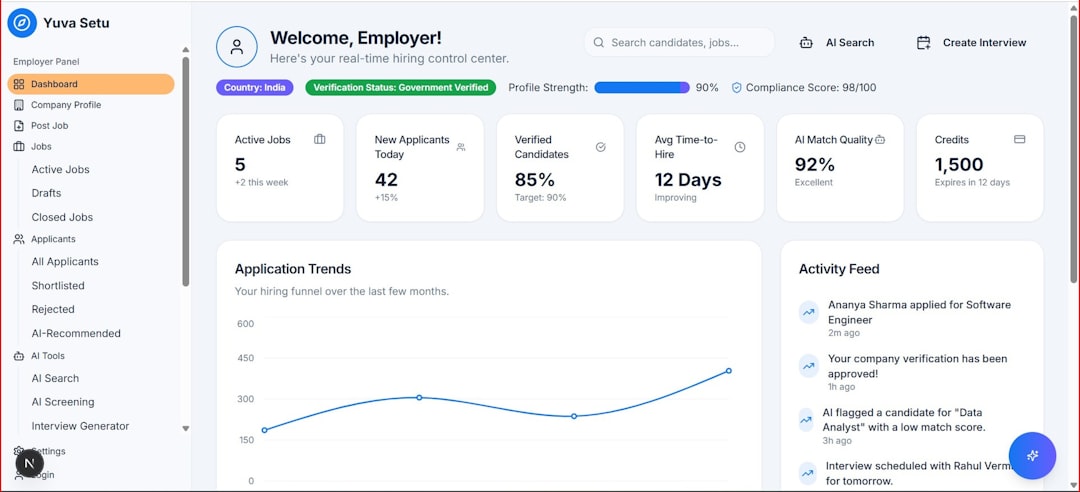
You do not need to track every number on Earth. Please do not. Your dashboard should not look like a spaceship control panel.
Start with these core metrics:
- Account engagement: How active is each account?
- Reach: Are you reaching the right people inside the account?
- Website visits: Which accounts are visiting, and what are they viewing?
- Content performance: What resources are accounts using?
- Meeting creation: Are campaigns turning into sales conversations?
- Pipeline influenced: How much sales pipeline is connected to ABM activity?
- Win rate: Do target accounts close more often?
- Deal size: Are ABM accounts worth more?
These metrics help you connect marketing activity to business results. That is where ABM becomes powerful.
Common ABM Analytics Mistakes
Even smart teams can trip over data. It happens. Data is helpful, but it is not magic glitter.
Watch out for these mistakes:
- Tracking too much: More data is not always better. Focus on useful signals.
- Ignoring sales feedback: Sales talks to accounts. Their input matters.
- Only measuring leads: ABM is account based. Measure accounts, not just people.
- Moving too fast: One click does not mean “ready to buy.” Look for patterns.
- Using stale data: Old data can send you in the wrong direction.

How to Get Started
You do not need a giant setup on day one. Start small. Keep it clean.
- Pick your target accounts. Use fit, revenue potential, and sales input.
- Define success. Decide what you want to improve. Meetings? Pipeline? Deal size?
- Track key actions. Watch website visits, content views, email activity, and sales touches.
- Score accounts. Rank accounts based on fit and behavior.
- Share insights. Give sales clear and simple account updates.
- Review often. Learn what works. Adjust your campaigns.
The secret is consistency. Check the data often. Talk about it with sales. Make one improvement at a time.
The Big Idea
ABM analytics makes account-based marketing smarter. It shows who is interested. It shows what they care about. It shows when to act.
It also brings marketing and sales closer together. Both teams can look at the same account data. Both teams can agree on priorities. Both teams can stop blaming mysterious “bad leads” and start building better plans.
In the end, ABM analytics is not about charts. It is about better decisions. It helps you spend time where it matters. It helps you create messages that feel useful. And it helps your best accounts move from “Who are you?” to “Let’s talk.”
That is the real magic. Not robot-in-a-suit magic. Practical magic. Data magic. The kind that helps teams grow.